If you’re shopping for an LP heater with thermostat, these models offer built‑in temperature control for steady warmth in small to medium spaces. They’re best for: compact living rooms, bedrooms, home offices, and garages where you want reliable heat with minimal fuss. The list below highlights five options with thermostat features, indicating who benefits most and any practical limitations to consider. A quick comparison table follows to help you decide at a glance.
| Product | BTU / Heat Area | Best For |
|---|---|---|
| ProCom 10,000 BTU Ventless Infrared Plaque Heater | 10,000 BTU; up to 500 sq ft | Small living rooms, bedrooms, offices |
| Mr. Heater 20,000 BTU Vent Free Blue Flame | 20,000 BTU; up to 700 sq ft | Medium spaces, workshops needing quick heat |
| ProCom 30,000 BTU Ventless Blue Flame | 30,000 BTU; up to 1,400 sq ft | Larger rooms, open living areas |
| ProCom 10,000 BTU Natural Gas Infrared Plaque | 10,000 BTU; up to 500 sq ft | Similar to LP version, gas supply convenience |
| ProCom 30,000 BTU Dual Fuel Garage Heater | 30,000 BTU; supports natural gas or LP | Garages and workshops with dual-fuel flexibility |
ProCom 10,000 BTU LP Ventless Infrared Plaque Heater

Best for compact spaces where a slim profile matters, this model delivers 10,000 BTU of infrared heat to cover up to 500 sq ft. It includes a thermostat for High/Medium/Low settings, helping maintain a steady temperature. The design is wall‑mountable or floor‑based with base feet included, making placement flexible. Caution: As a ventless heater, ensure proper ventilation and follow local codes for indoor use in your area.
Mr. Heater 20,000 BTU Vent Free Blue Flame Dual Fuel Heater

Best for users who need higher heat output in medium spaces, this dual‑fuel unit can operate on LP or natural gas with 20,000 BTU and heats up to about 700 sq ft. It features a battery‑operated electronic spark ignition for reliable startup. Better for larger rooms or workshop zones, but note that installation may require venting considerations and clearances appropriate to the fuel source used.
Mr. Heater 50,000 BTU Forced-Air Unit Heater

Best for large, uninsulated spaces like garages and barns, this 50,000 BTU unit moves warm air quickly through forced‑air distribution. It is compatible with standard 24‑volt or newer Wi‑Fi thermostats sold separately, which can simplify remote or automated temperature control. Limitations include higher energy use and the need for proper ducting or vents; suitability depends on room size and heat loss characteristics.
Mr. Heater 30,000 BTU Vent Free Blue Flame Natural Gas Heater

Best for spaces up to 1,000 sq ft, this natural gas option provides 30,000 BTU and an electronic ignition with battery backup. It’s a solid choice where natural gas is readily available and venting is already in place. Caution: This model is designed for ventless operation; ensure proper installation and compliance with local codes to maintain indoor air quality and safety.
Mr. Heater 18,000 BTU Vent Free Radiant Propane Heater

Best for smaller to medium spaces, this radiant propane heater delivers 18,000 BTU and can heat up to 700 sq ft. It includes electronic ignition for easy starts. Choose this if you want a compact model with straightforward operation, but be mindful of room ventilation and CO safety guidelines when relying on ventless propane heat.
ProCom 10,000 BTU Natural Gas Infrared Plaque Heater

Best for gas‑supply users who want infrared warmth, this 10,000 BTU natural gas model heats up to 500 sq ft and includes thermostat control with High/Medium/Low settings. It mirrors the LP version in form factor, offering wall‑mount or base feet placement. Limitation: This is gas‑powered and requires appropriate ventilation and gas line accessibility; confirm local requirements before installation.
ProCom 30,000 BTU Dual Fuel Garage Heater
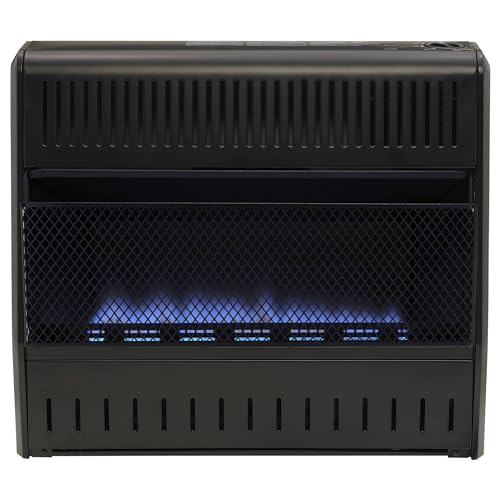
Best for workshops and garages seeking flexibility, this dual fuel heater can burn either natural gas or LP propane. It delivers 30,000 BTU and offers thermostatic control with variable settings alongside dual fuel capability and high efficiency. Caution: Garage installations require appropriate clearances, venting, and secure mounting to prevent hazards in high‑traffic or dusty environments.
Buying Guide: Key Considerations For LP Heaters With Thermostats
What size space will you heat? Match BTU output to room size, insulation, and climate. For smaller rooms, 10,000–20,000 BTU models may suffice; larger garages or open living areas may require 30,000 BTU or more.
What fuel source is available? LP and natural gas are common options. Dual‑fuel units add flexibility if you want to switch between fuels or if your gas supply fluctuates.
Thermostat control matters. Look for units offering adjustable High/Medium/Low settings, or electronic thermostats compatible with home systems for automated comfort.
Ventilation and safety. Ventless heaters require proper ventilation to maintain air quality and comply with local codes. Oxygen Depletion Sensors (ODS) and automatic shutoffs improve safety in ventless designs.
Installation considerations. Wall‑mountable models save floor space; floor‑based units with base feet may be easier to relocate. Check clearance requirements around walls, ceilings, and combustible materials.
Reliability and maintenance. Choose models with straightforward ignition, robust construction, and easy access for routine checks of gas lines and vents.
Energy efficiency and total operating costs. While higher BTU can heat larger areas faster, evaluate efficiency ratings and potential heat loss in the space to avoid wasted energy.
Frequently Asked Questions
- What is a ventless LP heater? A ventless LP heater burns propane without a vent, relying on built‑in safety features like oxygen depletion sensors to manage air quality in approved spaces.
- Do I need a thermostat on an LP heater? A thermostat helps maintain a stable room temperature, reducing energy use and avoiding temperature swings.
- Can I install a ventless heater in a bedroom? It depends on local codes and ventilation. Always follow manufacturer guidelines and safety regulations for indoor use.
- What space size should I choose for a 30,000 BTU unit? For spaces up to about 1,400 sq ft, a 30,000 BTU unit is typically suitable, considering insulation and layout.
- Is dual‑fuel better than single fuel? Dual‑fuel models offer flexibility to use either LP or natural gas, which can be advantageous if your gas supply changes or you want installer options.
- What maintenance is required? Regularly inspect gas lines, vents, and ignition systems; ensure safety shutoffs and sensors function properly.