Answer: Magnesium anode rods protect water heater tanks from corrosion and extend service life. This guide highlights five reliable options, explaining who each is best for and why. Ideal for homeowners seeking affordable, long-lasting protection, RV owners needing compact or segmented designs, and those with mineral-rich water concerns.
For quick comparison, here is a summary of the selected products. (All products are magnesium-based, designed to fit standard ¾” NPT connections, and come with installation accessories where noted.)
| Product | |||
|---|---|---|---|
| 44″ Flexible Magnesium Anode Rod (yrjns Store) | Flexible segmented rod | 44″ long, ¾” NPT | Most home water heaters; tight spaces |
| Eau 44 Inch Flexible Magnesium Anode Rod with Install Kit | Flexible, install kit included | 44″ long, ¾” NPT | Smell-prone water; easy DIY replacement |
| Oneness 369 RV Water Heater Anode Rod 2-Pack | Galvanized nut, pure magnesium | 9.25″ x ¾” NPT (for Suburban when applicable) | RV Suburban tanks; harsh water environments |
| Ozek RV Hot Water Heater Anode Rod 9.25″/2 Pack | Magnesium, RV-ready | 9.25″ long, ¾” NPT | Suburban/Mor-Flo tanks; compact fit |
| Ozek Anode Rod for Hot Water Heater – 44 in Segmented Magnesium | Segmented, flexible design | 44″ long, ¾” NPT | Tight spaces; versatile replacement |
44″ Flexible Magnesium Anode Rod, 44″ Flexible Rod Kit

Best for: Homeowners replacing a standard ¾” NPT anode rod in larger or hard-to-reach tanks. The 44″ segmented design helps navigate tight spaces where a single long rod cannot be installed.
Why selected: This kit includes a flexible 44″ magnesium rod and installation components, suitable for classic GE, Rheem, Reliance, Richmond, and Kenmore models. Its segmented construction eases extra-long reach and simplifies replacement in cramped spaces.
Caution: Ensure the rods’ segments are aligned correctly to maintain a continuous protective path and avoid installation in non-standard tanks.
Eau 44 Inch Flexible Magnesium Anode Rod with Install Kit

Best for: Homeowners dealing with odor or smell issues in hot water. The magnesium rod offers a strong electrochemical drive to curb odor-causing bacteria and mineral interactions.
Why selected: The kit bundles a flexible 44″ rod with a securing kit, making installation straightforward in tight spaces. It is positioned as a cost-effective upgrade for replacing standard rods.
Caution: If water odor persists after replacement, consider water quality tests or auxiliary filtration to address mineral-rich water and bacteria concerns.
Oneness 369 RV Water Heater Anode Rod 2-Pack

Best for: RV owners using Suburban or Atwood tanks needing a durable, long-life magnesium rod with a galvanized nut for mineral-heavy water conditions.
Why selected: This product emphasizes pure magnesium for robust cathodic protection and precise sizing for Suburban models. The galvanized nut component adds durability in challenging water conditions.
Caution: Check compatibility with your exact RV tank model since some Suburban variants require different rod dimensions or thread types.
Ozek RV Hot Water Heater Anode Rod 9.25″/2 Pack
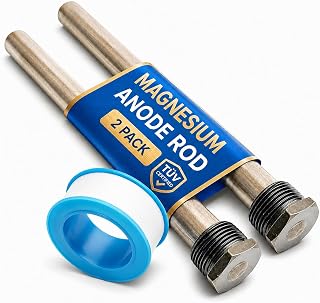
Best for: RV owners with Suburban or Mor-Flo tanks seeking a compact, standard 9.25″ magnesium rod with ¾” NPT threads and easy install.
Why selected: The product emphasizes safety and longevity, with a focus on compatibility and straightforward replacement in motor-home setups.
Caution: Confirm exact tank model compatibility before purchase to ensure fit and proper protection.
Ozek Anode Rod for Hot Water Heater – 44 in Segmented Magnesium

Best for: Homeowners who need a long, flexible solution with the ability to fit in tight spaces while using a ¾” NPT connection.
Why selected: The segmented design improves installation in complex tank geometries, and the magnesium composition delivers strong protective performance.
Caution: Not compatible with Bradford White models that lack a dedicated 3/4″ NPT anode port or with certain commercial tank designs.
Buying Guide: Magnesium Rods For Water Heaters
- What is a magnesium anode rod? It protects the interior of the water heater tank by corroding in place of the tank, extending the unit’s life.
- Which rod length and thread fit my tank? Most residential heaters use ¾” NPT connections. Measure thread type and consult your tank’s manual before purchase.
- Why choose a segmented or flexible rod? Segmented or flexible designs help navigate tight spaces and awkward tank geometries during installation.
- Magnesium vs. other materials? Magnesium provides strong electrochemical protection but may corrode faster in certain water chemistries; zinc or aluminum alternatives exist for different water profiles. For most homes with smelly water, magnesium is preferred.
- RV tanks vs. residential tanks? RV rods are often shorter and may include nuts or hardware optimized for travel trailers and motorhomes. Verify model compatibility with Suburban or Mor-Flo tanks.
- Installation notes? Always drain a portion of water, disconnect power, and follow manufacturer instructions. Use Teflon tape as needed and ensure proper thread sealing to prevent leaks.
FAQ
- How long does a magnesium anode rod last? A rod’s life depends on water chemistry and usage. Typical replacement guidance ranges from 3 to 5 years, but some high-mineral waters may require earlier changes.
- Can I replace the anode rod myself? Yes, most residential heaters are designed for DIY replacement with basic tools and a compatible socket.
- What if my water smells after replacement? Odor can indicate persistent mineral interactions or bacteria; consider a water test or additional filtration if smell persists.
- Are segmented rods compatible with all tanks? Segmented rods are designed to fit many models but always verify the exact tank model and NPT size before purchase.
- Do RV rods work in home water heaters? RV rods are designed for RV tanks and may not fit standard residential units. Check thread size and tank compatibility.
- What maintenance should accompany rod replacement? Regularly check for leaks, inspect the anode rod area during service, and consider flushing the tank to remove sediment buildup.