When choosing an anode rod for your water heater, the key question is whether magnesium or aluminum/zinc (often alloyed) offers better protection for your tank. This guide compares five highly relevant options to help both RV and home-water heater owners decide which rod type fits their water quality, usage, and maintenance preferences. The top picks include magnesium-focused rods for aggressive corrosion protection and aluminum/zinc blends for long-lasting durability in certain water chemistries. This article outlines who each product is best for, why it was selected, and a practical buying guide with actionable questions.
Quick product overview: the following table highlights the core suitability and notable points of the five selected rods. The row headers help you compare who each product serves, material focus, and a practical caveat.
| Product | Best For | Material Focus | Notes |
|---|---|---|---|
| Rv Heater Anode Rod Aluminum/Zinc 2 Pack | RVs and tanks with mixed mineral content | Aluminum/Zinc alloy | Good balance of corrosion resistance; check for compatibility with your model |
| Ozek RV Hot Water Heater Anode Rod | Suburban/Mor-Flo RV tanks | Magnesium | Strong sacrificial protection; verify thread size and model compatibility |
| Eastman 45 Inch Flexible Magnesium Anode Rod | Hard-to-reach installations; long-term replacement | Magnesium | Very long length; flexible design for tight spaces |
| Oneness 369 RV Anode Rod 2-Pack | Harsh mineral water environments | Galvanized Magnesium (rod head) | Hybrid approach; galvanized nut for durability |
| Eastman 42 Inch Flexible Magnesium Anode Rod | Residential setups needing flexible install | Magnesium | Flexible design; compatible with many models |
RV Heater Anode Rod Aluminum/Zinc 2 Pack — Aluminum/Zinc Alloy Protection

This aluminum/zinc sacrificial rod targets corrosion in RV water heater tanks. It is designed to absorb corrosive elements and extend tank life, with a length of 9.25 inches and 3/4 inch threads. The alloy helps mitigate hydrogen sulfide formation, which is often linked to rotten-egg odors. This option is best for RV owners who want a balanced, durable alloy that resists mineral-rich water and provides straightforward installation.
Best for: RV owners who encounter mixed water chemistry and want a straightforward, economical upgrade. Why selected: dual-pack offers convenience and ongoing protection for two tanks or future replacements. Caution: verify compatibility with your specific Suburban or similar model, as thread alignment and tank compatibility vary by manufacturer.
Ozek RV Hot Water Heater Anode Rod — Magnesium, 9.25″ x 3/4″ NPT
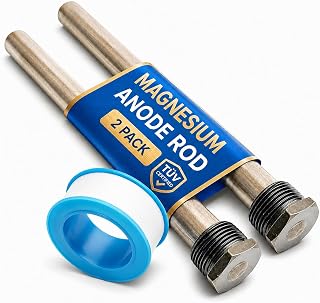
This magnesium rod is designed specifically for Suburban and Mor-Flo RV tanks, with a 9.25-inch length and 3/4-inch NPT threads. Magnesium provides superior cathodic protection by attracting corrosive elements away from the tank lining. The product emphasizes safety and family-friendly materials. Best for: RV owners who want robust, magnesium-based protection for Suburban/Mor-Flo tanks. Caution: ensure model compatibility before purchase, as not all Suburban/Mor-Flo models use the same thread or sizing.
Eastman 45 Inch Flexible Magnesium Anode Rod

This magnesium rod features a long, flexible design with four magnesium links and a carbon steel cable. Its 45-inch length and 1-1/6 inch hex head support installation in tight spaces, offering stronger protection than aluminum alternatives in many water chemistries. Best for: homeowners with limited access to the top of the tank or those seeking easy field adaptation. Caution: installation requires adequate clearance at the top of the tank (12 inches minimum). Replacement is suggested every few years based on water quality and usage.
Oneness 369 RV Anode Rod 2-Pack — Galvanized 9.25”x3/4” NPT

This galvanized magnesium (per the product name) rod offers corrosion protection for RV water tanks in mineral-rich environments. The two-pack provides value and ongoing protection for dual tanks or future replacements. Best for: RV travelers in hard water areas who want durable, long-lasting protection. Caution: galvanized nuts may introduce different wear characteristics; verify compatibility with your tank’s internal hardware to prevent seizing or misalignment.
Eastman 42 Inch Flexible Magnesium Anode Rod

This magnesium rod emphasizes flexibility and easy installation with a 42-inch length and 3/4 x 3 inches NPT stainless steel nipple. The flexible design aids installation in spaces with limited access, and magnesium provides strong sacrificial protection against tank corrosion. Best for: homeowners who need a flexible solution that supports a broad range of residential water heaters. Caution: ensure compatibility with your water heater’s connection threads before purchasing.
Buying Guide: How To Choose The Right Anode Rod
What material should you choose? Magnesium rods offer strong protection and help counter hydrogen sulfide odors but may degrade faster in very hard water. Aluminum/zinc alloys resist certain types of corrosion and tend to last longer in some mineral-heavy waters. In RV setups, magnesium is often favored for its aggressive protection, while galvanized or alloyed options may be preferred in environments with challenging minerals. Evaluate your water chemistry, tank type, and maintenance routine.
How long should you replace an anode rod? Inspect every two years and replace as needed. In high-sulfur or mineral-rich water, more frequent checks are prudent. Consider length and thread compatibility with your tank model to ensure a proper seal and fit. For tight spaces, flexible rods reduce installation friction and provide easier maintenance access.
What installation considerations matter? Verify thread size (NPT), overall length, and whether your tank supports top-access installations. Some models require the right hex head size or a special socket. For RV tanks, ensure compatibility with Suburban, Mor-Flo, or other common brands referenced by the product listings. If you use hard water, you may prefer galvanization options or pure magnesium for enhanced protection against sediment buildup.
Durability and cost considerations: multi-pack options offer cost savings and spare rods for future replacements. In harsh water environments, galvanized magnesium variants can deliver long-term endurance, while pure magnesium may deliver superior sacrificial protection in softer waters. Always balance upfront cost with expected maintenance intervals to optimize total ownership costs.
FAQ: Quick Answers For Buyers
- Which anode rod lasts longest in hard water? Galvanized magnesium and aluminum/zinc alloys can offer stable performance, but magnesium rods often degrade faster in very hard water. Check your water chemistry and replace as needed.
- Is magnesium better than aluminum for RV water heaters? Magnesium provides stronger cathodic protection for RV tanks and more effective control of odors, but it may require more frequent inspections in hard water. Choose magnesium if odor control and maximum protection are priorities.
- How do I know if my rod fits my tank? Confirm the rod length (often 9.25 inches), thread size (3/4″ NPT), and compatibility with your tank model (Suburban, Mor-Flo, etc.).
- Can I install a flexible anode rod in a standard home water heater? Yes, flexible rods are designed for easier installation in tight spaces and can be used in many residential models with compatible fittings.
- How often should I inspect anode rods? Inspect every two years, or sooner if you notice odor, sediment buildup, or diminished hot water quality.
- Are multi-pack rods worth buying? Yes, if you have multiple tanks or want spare parts for future replacements, they often provide better value than single packs.