Electric baseboard heaters offer reliable, zone-based heating with minimal noise and simple installation. This guide highlights five efficient options suited for different spaces and needs, helping you choose heat outlets that deliver steady warmth without high energy use. Ideal buyers include homeowners upgrading single rooms, renters needing easy retrofits, and those seeking quiet operation with straightforward thermostat control. The included buying guide covers sizing, wiring, and thermostat considerations to help you compare models quickly.
| Product | Brand | Watts / BTU | Voltage |
|---|---|---|---|
| Cadet F Series 36″ Electric Baseboard Heater | Cadet | 750/563 W; 2560/1925 BTU | 240/208 V |
| Cadet F Series 24″ Electric Baseboard Heater | Cadet | 350/262 W; 1195/895 BTU | 240/208 V |
| Stelpro Brava 1250W / 240V | Stelpro | 1250 W | 240 V |
| Stelpro Prima 1500W / 120V | Stelpro | 1500 W | 120 V |
| Stelpro Brava 1500W / 120V | Stelpro | 1500 W | 120 V |
Cadet F Series 36″ Electric Baseboard Heater
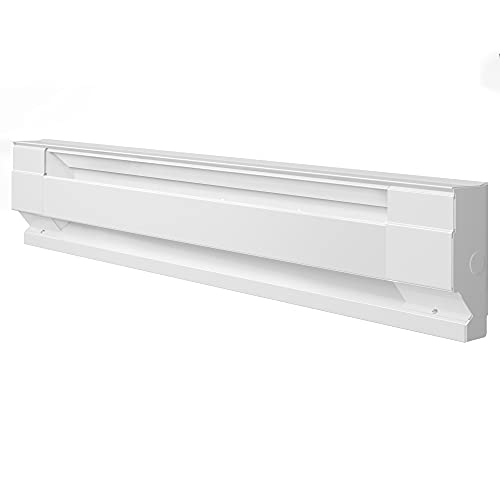
The Cadet F Series 36″ baseboard heater delivers multi-watt capability (750/563 W) at 240/208 V, providing robust convection to circulate warm air through a room. It is designed for straightforward universal wiring with pre-punched knockouts, which supports quick installation. This model is best for medium-sized living spaces or bedrooms where steady, zone-controlled warmth is desired without loud fans. A limitation is that ductless convection relies on ambient air movement, so performance depends on room air flow. Best for: spaces needing strong, quiet, wall-mounted heating.
Cadet F Series 24″ Electric Baseboard Heater
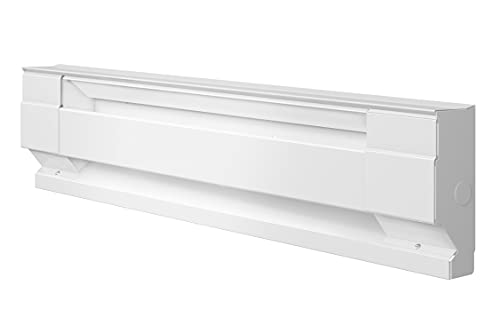
The Cadet 24″ baseboard heater provides a compact option with 350/262 W power at 240/208 V, suitable for smaller rooms or zones within larger spaces. Its simple construction—steel housing and basic heating elements—prioritizes dependable warmth with minimal maintenance. Best for: small bedrooms, offices, or hallways where unobtrusive heating is preferred. Caution: lower wattage means slower heat rise in large rooms, so pair with a larger unit if you need rapid warming.
Stelpro Brava 1250W / 240V Baseboard Heater

This Stelpro Brava model delivers 1250 W of high-performance convection heating, effectively warming up to about 125 sq ft with quiet operation. It is hardwired and compatible with multiple thermostat options, allowing precise room control. Best for: larger bedrooms or living areas where consistent warmth is essential and a clean, modern aesthetic is desired. Caution: not a plug-in unit; requires proper wiring and thermostat integration for full functionality.
Stelpro Prima 1500W / 120V Baseboard Heater
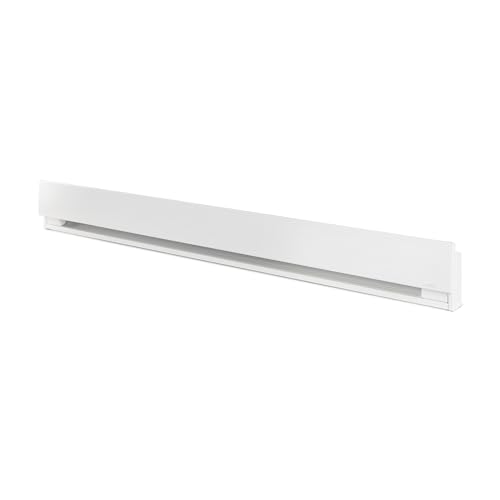
The Stelpro Prima 1500W baseboard heater provides robust warmth suitable for larger rooms up to 150 sq ft. It uses a stainless steel-sheathed element and aluminum fins for efficient heat distribution and quiet operation. Best for: open-plan spaces or larger bedrooms where steady convection heat is important. Caution: requires wall thermostat or optional built-in thermostat kit for on-unit control.
Stelpro Brava 500W / 120V Baseboard Heater
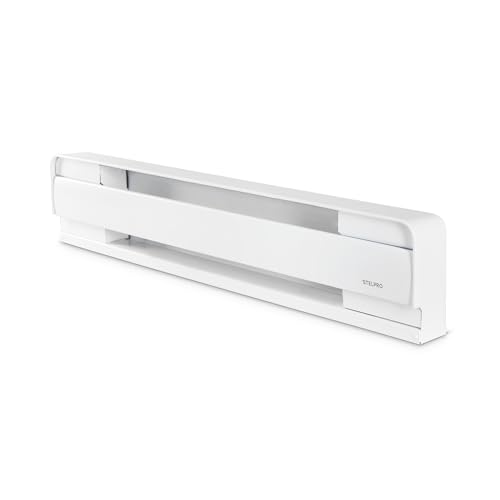
This 500 W Stelpro Brava model is ideal for small rooms or zones like offices and bathrooms that require modest supplemental heat. It is hardwired and compatible with various thermostat configurations. Best for: compact spaces or as a supplemental heater to existing systems. Caution: limited heat output may not suffice as a primary heat source in cooler climates.
Buying Guide
How to choose the right electric baseboard heater starts with room size and heat needs. For larger rooms, select a higher wattage unit to achieve quick and even warming. In smaller spaces, lower wattage models reduce energy use while maintaining comfort. Consider whether you want plug-in flexibility or hardwired installation, as this affects thermostat options and wiring requirements.
Sizing and Space Considerations
Estimate required watts by room square footage. For bedrooms and living areas, plan for 10-15 watts per square foot depending on insulation and climate. Convection heaters rely on air movement; ensure unobstructed air paths and avoid placing heaters behind furniture or drapes.
Wiring And Thermostat Options
Some units are plug-in and compatible with basic wall thermostats; others require hardwired installation with dedicated thermostats. If choosing hardwired models, decide between single-pole and double-pole thermostats for safety and control reliability. Check compatibility with existing home automation if desired.
Design, Noise, And Safety
All models in this guide emphasize quiet operation due to the absence of fans. Look for full-length thermal protection and automatic reset features for safety. Aesthetics matter; many models feature slim profiles and discrete finishes to blend with room decor.
Energy Efficiency And Maintenance
Efficiency stems from appropriate wattage and room sizing. Baseboard heaters generally have no moving parts, reducing maintenance. However, avoid oversized units in small spaces to prevent overheating and excess energy use. Regularly inspect mounting and wiring for signs of wear.
FAQ
- How do I choose the right wattage for a room? Consider room size, insulation, and climate. A typical guideline is 10-15 watts per square foot for living spaces, adjusted based on window drafts and ceiling height.
- Are baseboard heaters energy efficient? Yes, when properly sized and zoned. They heat gradually and distribute warmth evenly without fans, reducing noise and energy spikes.
- Is hardwired installation necessary? Some models are plug-in; others require hardwiring. Hardwired units offer integrated thermostat options but require a qualified installer.
- Can I install these myself? Basic plug-in models are DIY-friendly. For hardwired units or complex wiring, consult a licensed electrician to ensure safety and code compliance.
- Do these heaters pose safety risks for children or pets? Look for models with automatic thermal protection and stay-cool surfaces. Position heaters away from flammable materials and ensure proper clearance.
- How do I maintain baseboard heaters? Regularly inspect for dust buildup and ensure vents are unobstructed. Clean with a dry or lightly damp cloth as needed and avoid using liquid cleaners on electrical components.