For a fireplace with a natural-looking ledgestone finish, compare individual-stone veneer with lightweight faux-stone panels and natural ledgestone rock. Evolve Stone National and Georgetown Run are the strongest matches for a more varied stone appearance; LUXEYARD and Nesary offer textured polyurethane panels for a lighter DIY approach. Southwest Boulder & Stone provides natural rock, but its listing focuses on landscape and siding uses, so confirm fireplace suitability and installation requirements before buying.
| Product | Best suited for | Key distinction |
|---|---|---|
| Evolve Stone National | Individual-stone appearance | 14.25 square feet per box |
| Evolve Stone Georgetown Run | Natural-looking variation | Individual stones, not a repetitive panel pattern |
| LUXEYARD PU Panels | Textured DIY accent walls | Six panels; faux stone construction |
| Nesary PU Panel | Small or measured projects | One cuttable panel |
| Southwest Boulder & Stone Ledgestone | Buyers seeking natural rock | Multi-use landscape stone; fireplace use needs confirmation |
Evolve Stone National Veneer
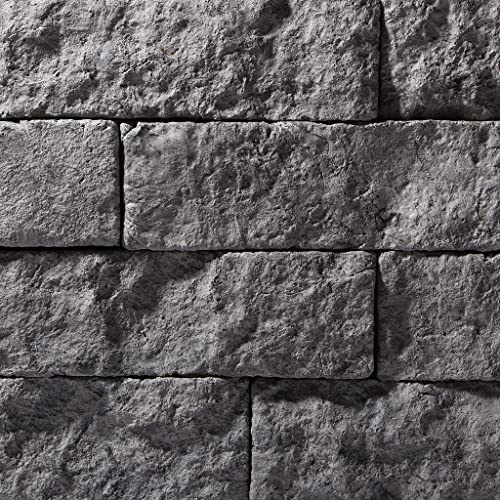
Evolve Stone National is a stone veneer option for buyers who want the appearance of individual stones rather than a repeating molded-panel pattern. The product listing describes it as an ultra-realistic veneer and specifies 14.25 square feet per box. Its individual-stone format can help create a less uniform visual effect on a fireplace wall.
Best for: Homeowners prioritizing stone-by-stone variation in a fireplace surround or feature wall. It was selected because its listed individual stones align with the natural, ledgestone-inspired look many buyers seek.
Important limitation: The listing does not provide installation instructions, stone dimensions, or clearance requirements. Confirm the substrate, setting method, and applicable fireplace clearances with the product documentation or a qualified installer before starting.
Evolve Stone Georgetown Run Veneer

Georgetown Run is another Evolve Stone flat veneer sold in 14.25-square-foot boxes. Its listing highlights individual stones and an ultra-realistic stone appearance, making it a relevant option for buyers comparing natural-looking veneer styles. Individual pieces can offer a more varied layout than large panels designed around a repeated pattern.
Best for: Buyers who want an individual-stone veneer format and are choosing between the available Evolve Stone looks. It was selected for its stone-by-stone appearance and the product listing’s fire-rated designation.
Important limitation: The supplied product details do not specify the exact installation method, fireplace type, or required separation from heat sources. “Fire rated” should not be treated as proof that the veneer can touch an open flame or suit every fireplace assembly. Check the manufacturer’s installation requirements.
LUXEYARD 3D PU Stone Panels

LUXEYARD’s six-panel set is made from high-density polyurethane and features a stated thickness of 1.18 inches. The product description emphasizes deep crevices, rugged texture, and color variation intended to mimic stone. The panels measure 45.7 by 11.8 inches, and the listing says they can be cut with a hand saw or circular saw and installed with construction adhesive and screws.
Best for: DIY buyers seeking a lightweight, dimensional faux-stone feature wall or fireplace surround. It was selected because the listing explicitly names fireplace surrounds and describes a no-mortar installation approach.
Important limitation: The listing says the panels are flame retardant but also says to keep them away from direct open flames. They are not natural stone. Confirm heat clearances and suitability for the specific fireplace before installing; do not infer that a flame-retardant panel is safe in every high-heat location.
Nesary Natural Gray PU Panel

This Nesary product is a single 45.7-by-11.8-inch polyurethane panel with a gray, layered rock texture. Its listing describes the material as lightweight and cuttable, with a waterproof, moisture-resistant, UV-resistant, and flame-retardant surface. It also identifies fireplace surrounds as one possible decorative use.
Best for: Small projects, sample layouts, or buyers who need one panel rather than a multi-panel set. The cuttable format may help with a limited accent area, although the actual coverage depends on the finished layout and cuts.
Important limitation: One panel covers only a limited area compared with a full surround. The listing does not give detailed fireplace clearance or installation requirements. Confirm those details before using it near a heat source, and remember that this is faux polyurethane rather than natural stone.
Southwest Boulder & Stone Natural Ledgestone

This product is natural ledgestone rock, not a lightweight manufactured panel. The listing describes earthy tones and uses including garden edging, walkways, patio borders, retaining walls, fire pits, and stone siding. Its natural material makes it relevant to shoppers seeking genuine stone, but the provided details do not specifically describe a fireplace surround installation.
Best for: Buyers who want natural stone and can verify that the selected pieces and installation system suit their project. It was included because it is explicitly natural ledgestone and the listing mentions stone siding and fire-pit uses.
Important limitation: The listing is primarily for landscape and wall-rock applications, not a complete fireplace veneer system. Confirm stone size, quantity, mounting method, weight support, and fireplace clearances with the supplier or installer before purchasing.
Buying Guide: How to Choose Ledgestone for a Fireplace
Do you want natural stone or a faux-stone panel?
Natural stone offers genuine material variation, but its weight, dimensions, and installation needs must suit the wall and fireplace assembly. Evolve Stone’s listed individual-stone format may provide a less repetitive look. Polyurethane panels such as LUXEYARD and Nesary are faux stone: they are lighter and described as cuttable, but they do not have the material properties of natural rock.
Check product documentation before deciding. A product described as veneer, siding, or wall panel may need a particular substrate or fastening method. Do not assume that all stone-look products install alike.
Is the product specifically suitable for a fireplace?
Look for installation instructions that address fireplace use, heat exposure, and clearances. LUXEYARD and Nesary list fireplace surrounds as an intended decorative use, but their descriptions also identify polyurethane construction. LUXEYARD specifically says to keep its panels away from direct open flames. Evolve Stone’s listing uses the term “fire rated,” but buyers still need to confirm the product’s permitted application and installation details.
Follow the fireplace manufacturer’s instructions and applicable local requirements. If documentation does not clearly cover the planned location, ask the manufacturer or a qualified installer before placing material near the firebox.
How much coverage should you plan for?
Measure the area to be covered, including the sides of the surround if they will also receive veneer. Subtract openings only if the product layout and cuts allow the material to be used efficiently. Add an allowance for cuts and fitting, then compare the required area with the stated coverage: Evolve Stone lists 14.25 square feet per box, while the Tando panels in the product list state 50 square feet per set. The PU panel listings provide panel dimensions, so calculate the approximate face area and account for seams and trimming.
For natural ledgestone sold by pallet, confirm the seller’s coverage estimate and stone size before ordering. The supplied Southwest Boulder & Stone details do not specify square-foot coverage for the linked product.
Which installation method fits your project?
Panel products may reduce the number of individual pieces to fit, but they still require suitable wall preparation and secure installation. LUXEYARD describes construction adhesive and screws; Nesary describes cuttable polyurethane panels but does not provide detailed fastening instructions in the supplied features. Evolve Stone’s listed details do not state a setting method. Get the product-specific directions before choosing tools or materials.
Natural stone can involve heavier pieces and a different support or attachment system than lightweight panels. Evaluate the wall, substrate, project scope, and installer experience rather than choosing solely by appearance.
How should you compare appearance and color?
Ledgestone generally emphasizes horizontal, layered courses, but color and texture differ across products. Evolve Stone highlights individual stones; LUXEYARD offers a black wood-grain rock appearance; Nesary is described as natural gray; and Tando’s listed colors are Appalachian Ash gray and Arizona Sandstone tan. Compare the product images and request samples where available, since screens and lighting can affect how colors appear.
Consider the fireplace surround alongside the room’s flooring, wall color, mantel, and other finishes. A close match is not always necessary, but choosing the stone tone early can help prevent an unintended contrast.
What should you check before ordering?
- Confirm that the exact product is approved for the intended fireplace location and heat conditions.
- Check dimensions, coverage, quantity, and whether the item is sold as a panel, box, or pallet.
- Review installation instructions for substrate preparation, fasteners, adhesive, and cutting.
- Verify how corners, edges, joints, and transitions will be finished.
- For natural stone, confirm piece size, weight, and support requirements.
- Do not treat “waterproof,” “flame retardant,” or “fire rated” as a substitute for application-specific instructions.
Frequently Asked Questions
Can polyurethane faux-stone panels be used around a fireplace?
Some listings identify fireplace surrounds as a possible decorative use, but suitability depends on the fireplace type, heat exposure, and required clearances. Follow the panel manufacturer’s instructions and keep materials away from direct flames unless the product documentation explicitly permits the application.
Is Evolve Stone natural stone?
The supplied listings describe Evolve Stone as stone veneer with individual stones and an ultra-realistic appearance. They do not provide enough detail to identify its full material composition, so check the product documentation if natural stone content is essential to your purchase.
Which option is best for a less repetitive stone pattern?
Evolve Stone National and Georgetown Run are described as having individual stones that create a natural appearance compared with repetitive panelized products. Review the available product images and installation guidance to decide which look fits the room.
How much Evolve Stone is in one box?
Both Evolve Stone listings in this comparison state 14.25 square feet per box. Measure the project and account for fitting and cuts before determining how many boxes to order.
Is Southwest Boulder & Stone ledgestone listed as a fireplace veneer?
The listing describes natural ledgestone for landscape edging, retaining walls, stone siding, and other uses. It does not specifically identify fireplace surround installation, so confirm suitability, weight support, and installation requirements before using it for that purpose.