Answering the practical question, these outdoor heaters make gazebo and patio spaces comfortable year-round. They are best for: compact patios needing wall or ceiling mounting; bowls and tables needing portable warmth; and covered outdoor living areas where steady, odorless infrared heat is preferred. Below, find five top picks chosen for reliability, flexibility, and ease of use in American outdoor settings. A quick buyer table follows to help you compare at a glance.
| Product | Best For | Key Benefit |
|---|---|---|
| DR. INFRARED HEATER — Portable Infrared Space Heater | Small to medium patios, garages | IP55 indoor/outdoor rating and remote control |
| Sundate 1500W Infrared Patio Heater | Gazebos, balconies, covered outdoor areas | WiFi app control and 9 heat levels |
| Cuisinart Portable Tabletop Patio Heater | Tabletop setups, patios, tailgates | 11,000 BTU, safe tilt shut-off |
| Danluke 1500W Electric Patio Heater (Ceiling Mounted) | Ceiling-mounted or hanging installations | 360° radiant heat and weatherproof design |
| Sundate Ceiling-Mounted 1500W Wall/Hanging Heater | Ceiling or wall-mount in gazebos | 360° heating and 1-second warm-up |
DR. INFRARED HEATER Portable Infrared Heater
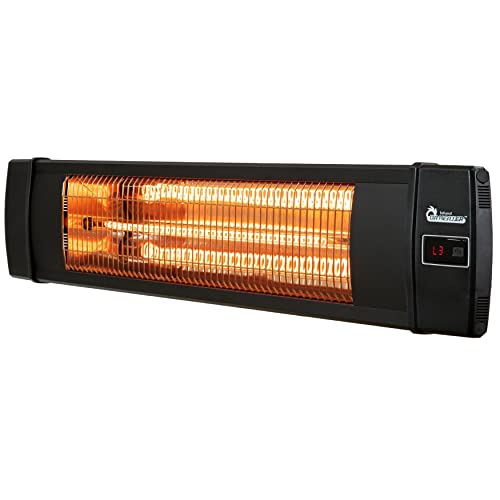
This portable infrared heater is approved for indoor and outdoor use, making it a versatile choice for backyards, patios, garages, and open-air dining. It offers clean, odorless heat with three power settings: 900W, 1200W, and 1500W. A standard 120V plug and a remote control simplify operation. Best for small-to-medium spaces where remote access is convenient and weather conditions vary.
Best for: individuals who want a ready-to-use, plug-and-play heater with flexible power settings and remote control. Limitations: no built-in thermostat, so temperature management relies on manual adjustments or the remote’s indirect cues.
Sundate 1500W Infrared Patio Heater

Designed to deliver radiant heat directly to people and objects, this infrared heater suits patios, gazebos, balconies, and covered outdoor areas. It features WiFi app control, remote control, and a 24-hour timer with nine heat levels. It can be mounted on walls or ceilings, freeing floor space for furniture and movement. Best for: users who want smart control and flexible mounting in compact outdoor zones.
Limitation: app features depend on compatibility and connectivity; ensure your network setup matches your needs for reliable control.
Cuisinart Portable Tabletop Patio Heater
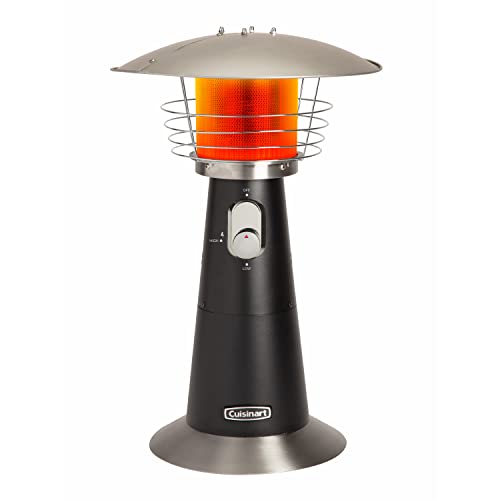
This tabletop propane heater delivers 11,000 BTUs and warms up to about 30 square feet. A reflector top plate distributes heat evenly, and built-in anti-tilt shut-off plus a burner screen guard enhance safety. Portable and compact, it’s ideal for patios, camping trips, and tailgates. Best for: tabletop setups where immediate, high-output warmth is needed in a small footprint.
Limitation: designed for propane use; requires fuel canisters and proper ventilation for safe operation.
Danluke 1500W Electric Ceiling-Mounted Heater

This ceiling-mounted heater provides 1500W infrared heat with 360° coverage. It is weather-resistant and designed for use in gazebos, porches, garages, or covered patios. A dust cover helps with storage longevity. Best for: installations where overhead warmth is preferred and floor space is limited. Limitation: mounting and electrical work may require professional installation for optimal performance.
Note: claims include quick warmth and wide heat distribution, but users should verify mounting hardware compatibility with their gazebo structure.
Sundate Ceiling-Mounted 1500W Heater

This 1500W unit provides 360-degree heating from a ceiling-mounted position. Suitable for gazebos, balconies, yards, and indoor spaces like garages. It offers fast heating and a safe, fanless operation to minimize dust disruption. Best for: users who want 360-degree infrared warmth from above with quiet operation. Limitation: heavier ceiling-mount installation may require sturdy mounting points.
Tip: combine with weatherproofing to extend outdoor use during shoulder seasons.
Buying Guide: Key Considerations For Gazebo And Patio Heaters
- Heat Type: Infrared heaters warm people directly rather than just the surrounding air. This is ideal for outdoor use in wind-prone areas.
- Power Source: Decide between propane, electric, or hybrid units. Electric units require a safe outdoor outlet and may offer easier temperature control; propane units deliver strong warmth for larger direct areas but require fuel management.
- Mounting Options: Consider wall, ceiling, or portable models. Ceiling and wall-mounted units save floor space in gazebos and patios; portable units suit flexible layouts.
- Weather Resistance: Look for IP rating (IP55 or higher preferred) and weatherproof designs for outdoor longevity.
- Safety Features: Auto shut-off, tip-over protection, and guards around burners or heating elements are important for families with kids and pets.
- Control and Convenience: Remote control, timers, and app-based controls add convenience for adjusting warmth without leaving the seating area.
- Coverage Area: Check the heater’s BTU rating, wattage, or radiant heat capacity to ensure it covers your gazebo or patio size effectively.
FAQ
- What is infrared heat, and why is it good for outdoor spaces? Answer: Infrared heat warms objects and people directly, offering efficient warmth at outdoor temperatures without heating the air excessively.
- Can I use these heaters in a gazebo with rain? Answer: Choose models rated for outdoor use (IP55 or IP65) and ensure proper shelter and weather protection for safe operation.
- Do these heaters require professional installation? Answer: Some ceiling-mounted or wall-mounted units may require electrical work or mounting hardware installation. Check product guidelines and local codes.
- Which heater is best for a small balcony? Answer: A compact, table-top or wall-mounted electric infrared heater with 1,500W power and 360° coverage is typically suitable.
- Are propane heaters safer than electric for gazebos? Answer: Propane can be effective for high warmth in open spaces, but electric options often offer safer operation and easier control in covered areas.
- How do I maintain outdoor heaters? Answer: Regularly inspect mounting hardware, keep vents clear, clean dust from surfaces, and store units with protective covers when not in use.