Finding the right paint for an interior fireplace matters for heat resistance, appearance, and ease of application. The selections below focus on flame-resistant, low-odor options suitable for brick, stone, and masonry interiors. They are best for DIY homeowners, renovators, and renters looking to refresh a fireplace without costly remodeling. The list pairs heat-tolerant, low-odor formulas with accessible kits for broad coverage.
| Product | Best For | Notes |
|---|---|---|
| Rutland – 81V Premium Hi-Temp Paint | High-heat brick interiors | Low-odor, lead-free; flat black finish |
| Giani Brick Transformations Whitewash Paint | Brick surfaces needing a whitewash look | Water-based; diluted for full coverage; low odor |
| 16oz Brick Paint, Fireplace Makeover Kit | Complete DIY kit for quick refresh | Low-odor, suitable for brick, stone, concrete |
| Country Chic All-in-One Chalk Paint Sage | Wood, metal, or masonry with built-in primer | Matte finish; quick-dry; durable |
| GLAINTE Brick Transformation Kit | Indoor/outdoor brick and masonry | Water-based; adjustable opacity with water; included tools |
Rutland 81V Premium Hi-Temp Paint

Best for: homeowners needing a true high-heat finish for interior fireplace bricks or fireboxes. This 16 fl oz flat black paint is formulated to resist high temperatures near the fire. It is lead-free and devoid of fluorocarbons or vinyl chloride, making it a straightforward option for interior brick surfaces that see heat but not direct flame exposure.
Why selected: its simple brush-on application and heat tolerance make it a reliable choice for DIY fireplaces where a durable, low-odor finish is desired. The flat black appearance complements most traditional hearth designs.
Caution: avoid applying on surfaces with direct, prolonged flame contact beyond recommended heat exposure; follow curing guidance to minimize cracking.
Giani Brick Transformations Whitewash Paint

Best for: brick surfaces where a light, weathered whitewash look is desired without heavy coverage. This water-based acrylic paint is low-odor and VOC-friendly, geared toward achieving a soft brick finish.
Why selected: its whitewash effect can brighten a dark fireplace brick while keeping texture visible. It requires dilution (minimum 1:2 with water) for full coverage, enabling controlled opacity.
Limitation: dilution is necessary for full coverage, which means project planning should account for additional coats or longer drying time for consistent results.
16oz Brick Paint Fireplace Makeover Kit

Best for: DIYers seeking an all-in-one solution with tools for a comprehensive fireplace refresh. The kit supports brick, stone, and concrete surfaces with a low-odor, water-based formula.
Why selected: it provides a full set of painting tools, making it easier for beginners to complete a complete makeover without sourcing extra supplies. It is described as adaptable across rough masonry textures.
Caution: surface prep may be more involved than simple painting, especially on aged or textured masonry; plan for proper surface cleaning and drying.
Country Chic All-in-One Chalk Paint Sage

Best for: interior projects involving wood, metal, or masonry where a built-in primer and top coat simplify the process. The Sage green offers a versatile, timeless finish suitable for a living room fireplace backdrop.
Why selected: the all-in-one formula reduces prep time, while the chalky matte finish allows easy distressing for custom looks. It benefits projects that prioritize ease of use and durable results with minimal layering.
Limitation: chalk finishes can show heavy wear; for high-traffic areas, plan for appropriate top-coat or touch-ups to preserve appearance over time.
GLAINTE Brick Transformation Kit
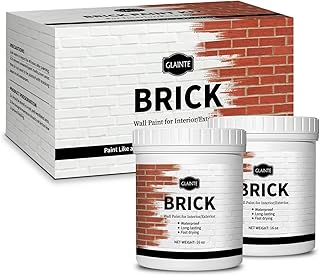
Best for: indoor or outdoor brick and masonry that benefits from a flexible, water-based white paint with adjustable opacity. Includes tools for easier layering and pattern creation.
Why selected: its multi-surface capability and included tools support creative brick patterns or ombre effects. The 1:1 or 1:2 water ratios let you control opacity to match design intent.
Caution: outdoor use should avoid rain during application; ensure fully dry surfaces before exposure to moisture to prevent washout.
Buying Guide: Key Considerations For Fireplace Interior Paint
What type of surface will you paint? Brick, stone, concrete, wood, or metal require different formulations. For brick and masonry, consider heat tolerance, repellence to peeling, and adhesion on rough textures.
Do you want a high-heat resistant finish? Look for heat-resistant or hi-temp paints designed to endure elevated temperatures near the firebox. Some products are labeled for interior fireplace use specifically.
Is odor and VOC level important? Low-odor, water-based formulas help maintain indoor air quality, especially in enclosed spaces. Always verify VOC content if sensitivity is a concern.
How much prep is needed? Some all-in-one products include primer and top coat, reducing prep steps. Others require cleaning, sealing, or priming to optimize adhesion and longevity.
What finish do you want? Matte, satin, or a chalk finish will affect the look and maintenance. Matte hides surface imperfections better, while a lighter gloss can enhance cleaning.
What color and coverage expectations? Whitewash and light tints can brighten brick, while black or dark tones conceal soot or stains. Coverage varies with porosity and the number of coats required.
Frequently Asked Questions
-
Can fireplace interior paint withstand heat?
Many interior fireplace paints are formulated to tolerate elevated temperatures. Always verify product specifications and follow curing instructions for best results.
-
Do I need primer for brick or masonry?
Primer helps improve adhesion on porous masonry. Some all-in-one kits include primer, which reduces steps but may require more coats for full coverage.
-
Is water-based paint suitable for indoors near a fireplace?
Yes, water-based paints are common for interior brick and masonry; they tend to be lower in odor and easier to clean. Confirm heat resistance and finish durability for your scenario.
-
How should I prepare brick before painting?
Clean the surface to remove dust and debris. Allow it to dry completely. For rough textures, you may need multiple coats to achieve even color and finish.