For a PEX-connected hydronic system, choose a water-heated baseboard designed for the system’s operating conditions; confirm its connection and pressure requirements before buying. The products below include hydronic baseboard components and electric hydronic heaters, which are not interchangeable. The Embassy panel heater and Fine/Line replacement are the closest matches to a plumbed baseboard installation, while the Fahrenheat and Marley models are self-contained electric options.
| Product | Best suited for | Important distinction |
|---|---|---|
| Embassy 48-inch panel track | Residential or light commercial installations | Includes a 3/4-inch element; end caps are separate |
| Fine/Line 30 Series, 4-foot heater | Fine/Line 30 Series replacements | Fully assembled element; verify exact fit |
| Fahrenheat 58-inch portable heater | Portable electric room heating | Liquid-filled electric unit, not a PEX-connected radiator |
| Marley 500-watt electric heater | Electric supplemental heat | 120-volt electric hydronic design |
| Commercial 120VAC hydronic heater | Buyers considering a listed commercial unit | Product details are limited |
Embassy 48-Inch Panel Track Heater
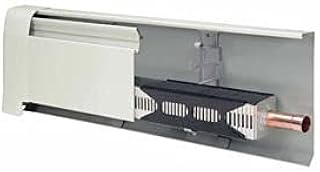
Best for: Buyers seeking a hydronic baseboard assembly for a residential or light commercial installation. Its listed 3/4-inch element and included mounting and enclosure parts make it a more installation-oriented choice than a portable electric heater.
The package includes a front cover, back panel, damper, brackets, and 3/4-inch element. Those components can help buyers plan an assembly with the listed parts rather than sourcing each of those pieces separately. The product is described for residential or light commercial use.
Why it was selected: It is the clearest match in this group for a baseboard-style hydronic installation, rather than a self-contained electric appliance. However, the listing does not specify PEX compatibility, operating pressure, water temperature limits, or the exact connection method. Confirm those details with the seller or manufacturer before connecting it to a PEX loop.
Limitation: End caps are sold separately. Include them in the installation plan if the finished layout requires them, and verify that the heater dimensions and connections suit the intended location.
Fine/Line 30 Series Four-Foot Heater

Best for: Buyers replacing or matching a heater in a Fine/Line 30 Series baseboard system. The listing identifies a four-foot length and a fully assembled element, so it may suit buyers who want an assembled unit for that named series.
The product is described as designed for hydronic systems and compatible with Fine/Line 30 Series baseboard heaters. Those details make series matching especially important: compare the existing heater’s series, dimensions, and required fittings before ordering. A stated length alone does not establish that a replacement will fit every baseboard enclosure.
Why it was selected: It is a specific hydronic baseboard product, not a portable electric heater. Its assembled element is a useful distinction for buyers looking for a replacement component or unit associated with the Fine/Line 30 Series.
Limitation: The provided product information does not list PEX connections, pressure limits, heat output, or detailed installation requirements. Do not assume it connects directly to a particular PEX system without checking the product documentation and system specifications.
Fahrenheat 58-Inch Portable Hydronic Heater

Best for: Buyers who want a portable electric baseboard-style heater with a liquid-filled heating element and built-in thermostat. The listing describes a 1,500-watt model measuring 58 inches and says its hydronic element heats the room evenly.
This is an electric appliance that uses a liquid-filled element. It is not described as a water-circulating baseboard that connects to a boiler or PEX tubing. The built-in smart thermostat and portable format distinguish it from the Embassy and Fine/Line products, which are more directly associated with hydronic baseboard installations.
Why it was selected: Searches for hydronic baseboard heaters can include electric units that retain heat in a fluid-filled element. This model is relevant to buyers comparing that separate heating approach, especially when they do not need a heater connected to a central hydronic loop.
Limitation: Do not choose it as a replacement for a PEX-connected water-heated baseboard. Its listed 1,500-watt rating and electric design make it a different product category.
Marley 500-Watt Electric Hydronic Baseboard

Best for: Buyers looking for a lower-wattage electric baseboard option with a fluid-immersed element. The listed specifications identify a 500-watt, 120-volt heater.
The product description says it uses natural convection rather than a blower or fan, and that its fluid-immersed element retains heat after the thermostat turns off. It is also described as providing steady warmth without large temperature swings. These are features of the heater’s electric, fluid-filled design; they do not mean that the unit circulates boiler water through PEX.
Why it was selected: It offers a distinct comparison point to the higher-wattage Fahrenheat portable heater and to plumbed hydronic baseboards. Its listed voltage and wattage help buyers determine whether this electric category is relevant to their room and electrical plan.
Limitation: The supplied information does not state room coverage, dimensions, or PEX connections. Check installation instructions and electrical requirements rather than estimating suitability from wattage alone.
Commercial 120VAC Hydronic Baseboard Heater

Best for: Buyers who are evaluating a commercial-labeled electric baseboard heater and can verify its full specifications before purchase. The supplied name lists 120VAC, 12.5 amps, single-phase power, and 5,118 BTU per hour.
Those electrical and output details are useful starting points for comparison, but the provided product data does not describe the heater’s dimensions, thermostat, mounting parts, fluid type, or connection design. The word “hydronic” in the name is not enough to establish that the unit connects to a PEX water loop. Confirm whether the product is an electric, fluid-filled appliance or a water-heated baseboard.
Why it was selected: It is explicitly labeled as a hydronic baseboard heater and includes more electrical and heat-output figures than the otherwise limited listing data supports.
Limitation: Details are sparse. Avoid choosing it for a PEX installation until the manufacturer confirms its plumbing connections, operating conditions, and compatibility with the planned system.
Buying Guide: Choosing A Baseboard Heater For PEX
Is the heater water-heated or electric hydronic?
This is the first distinction to make. A water-heated baseboard is part of a hydronic loop: heated water circulates through the heater, often supplied by a boiler or another hydronic heat source. PEX may be used for parts of a hydronic distribution system, but the product’s documentation must confirm that the baseboard and its connections suit the system.
An electric hydronic baseboard uses electricity to heat fluid sealed inside the appliance. It does not become a PEX-connected heater just because the listing uses the word “hydronic.” The Fahrenheat and Marley products above are described as electric models. They should be compared as appliances, not as direct replacements for water-circulating baseboards.
How can you check PEX compatibility?
Look for product documentation that explicitly identifies the water connections and allowable operating conditions. Check connection size and type, pressure rating, temperature limits, and installation requirements against the rest of the hydronic system. The supplied information for the Embassy and Fine/Line products does not provide enough detail to confirm a specific PEX connection.
Do not assume that a stated 3/4-inch element is the same as a 3/4-inch PEX connection. An element size and a plumbing connection are different specifications. If the listing does not clearly identify the connection, get confirmation before buying.
What should you compare when replacing a baseboard?
- Series and model: Match the existing baseboard series where the manufacturer specifies one. The Fine/Line product is identified for Fine/Line 30 Series heaters.
- Length and layout: Compare the listed four-foot or 48-inch length with the available wall space and the existing installation. Check end conditions and enclosure dimensions too.
- Included components: The Embassy product includes a cover, back panel, damper, brackets, and element, but end caps are separate.
- System details: Confirm the heater’s permitted water temperature, pressure, and required fittings with its documentation before integrating it into a hydronic loop.
How much heat output do you need?
Choose output based on the room, heat loss, insulation, climate, and system design rather than appearance or length alone. The commercial-labeled listing gives a figure of 5,118 BTU per hour, while the Marley and Fahrenheat listings give electrical wattage. Those numbers describe different product information and should not be treated as equivalent without checking the manufacturer’s specifications and the intended use.
For a water-heated system, a qualified heating professional can help determine the required output and operating temperatures. For an electric heater, check that the available electrical circuit and the product’s stated voltage and wattage suit the installation.
When is a portable electric model the better choice?
A portable electric heater may suit a buyer who wants a standalone appliance rather than changes to a central water-heating loop. The Fahrenheat listing identifies a portable 1,500-watt model with a built-in thermostat. That convenience does not make it a substitute for a plumbed baseboard. Compare electric models based on their electrical requirements, placement instructions, and controls.
A fixed electric hydronic baseboard, such as the Marley model, may be relevant when a buyer wants electric heat with a fluid-filled element. Confirm its installation and wiring requirements. Neither electric option should be selected to connect to PEX unless its manufacturer explicitly describes such a connection.
What information is missing from a product listing?
Before purchasing, seek the installation manual and full product specifications. Important missing details can include connection type, pressure and temperature limits, dimensions, heat output, required fittings, and whether the product is water-heated or electrically heated. Sparse listings deserve extra verification, particularly when the product will become part of a pressurized hydronic system.
Frequently Asked Questions
Can a PEX hydronic system use baseboard heaters?
It can use a baseboard heater only when the heater and system are designed to work together. Confirm the baseboard’s connections and operating limits with its manufacturer; do not assume PEX compatibility from the word “hydronic.”
Does an electric hydronic baseboard connect to PEX?
Not based on the descriptions provided here. Electric hydronic models heat fluid inside the appliance using electricity. They are different from water-heated baseboards connected to a circulating hydronic loop.
Is the Embassy panel track heater confirmed for PEX?
No PEX connection is stated in the provided features. The listing identifies a 3/4-inch element and included assembly parts, but buyers should verify connection details and system requirements separately.
Does the Fine/Line 30 Series product fit every baseboard?
No. It is described for Fine/Line 30 Series heaters and is four feet long. Check the existing series, dimensions, and required connections before treating it as a replacement.
Are end caps included with the Embassy heater?
No. The listed features state that end caps are sold separately.
Which product is the clearest choice for a PEX-connected system?
The Embassy and Fine/Line products are the most relevant plumbed-hydronic candidates in this group, but neither listing provided here confirms PEX compatibility. Verify the manufacturer’s specifications before selecting either for a PEX installation.