If you operate an outdoor wood boiler, a plate heat exchanger can improve efficiency by transferring heat between water loops without mixing fluids. This guide highlights five solid options suited for different setups, from compact single-pass systems to larger, higher-capacity configurations. The products below are best for outdoor wood boiler owners seeking durable stainless steel or water-to-water exchangers with straightforward installation. A quick comparison table follows to help you decide at a glance.
| Product | Best For | Key Benefit |
|---|---|---|
| 5″x12″ Brazed 20 Plate Heat Exchanger Outdoor Wood Furnace [1″ MPT] | Small outdoor boiler rigs | Compact 20-plate option, 316L stainless steel |
| 50 Plate Water to Water Brazed Plate Heat Exchanger 1″ MPT Ports w/Brackets | Higher flow, outdoor water-to-water transfer | High plate count for greater heat transfer |
| 5″x12″ Brazed 40 Plate Heat Exchanger Outdoor Wood Furnace [1-1/4″ MPT] | Medium to large outdoor boilers | More surface area, robust 316L stainless |
| 5″x12″ Brazed 40 Plate Heat Exchanger Outdoor Wood Furnace [1″ MPT] | Standard large-setup users | Balanced capacity and ease of install |
| 5″x12″ Brazed 30 Plate Heat Exchanger Outdoor Wood Furnace [1″ MPT] | Moderate heat transfer needs | Efficient for mid-range demand |
Summary: This collection targets outdoor wood boiler owners seeking durable, easy-to-install plate heat exchangers. The selection includes compact 20-plate models for small rigs, higher-capacity 50-plate units for greater heat transfer, and 30–40 plate variants for mid- to large-size systems. All options are designed for water-to-water or single-pass transfer in outdoor environments, with corrosion-resistant stainless steel construction where noted.
5″x12″ Brazed 20 Plate Heat Exchanger Outdoor Wood Furnace

Brand: Furnace Supply
Features: 316L Stainless Steel UL Listed
Best for: Small outdoor wood boiler setups where space is limited and a compact exchanger is needed. The 20-plate design provides essential heat transfer without over-sizing the system.
Why selected: This model offers a balance of compact size and corrosion-resistant material, making it suitable for compact installations or retrofit projects in warmer climates. The stainless construction helps maintain longevity in outdoor environments.
Limitation: Fewer plates mean lower total heat transfer than larger units; select this if your boiler’s demand is modest.
50 Plate Water to Water Brazed Plate Heat Exchanger

Brand: (Not listed)
Features: Water to Water, Outdoor Wood Boiler, Water Heater
Best for: Outdoor systems requiring higher heat transfer capacity and robust performance. Suitable for larger homes or setups with higher flow requirements in an outdoor boiler loop.
Why selected: The high plate count increases surface area for heat exchange, improving efficiency when heating secondary loops like domestic hot water or a separate radiant circuit connected to the boiler.
Limitation: Brackets included are useful, but ensure mounting space and plumbing clearances match the unit’s dimensions before purchase. Compatibility with existing fittings should be verified.
5″x12″ Brazed 40 Plate Heat Exchanger Outdoor Wood Furnace [1-1/4″ MPT]

Brand: Furnace Supply
Features: 316L Stainless Steel UL Listed
Best for: Medium-to-large outdoor boiler installations needing higher heat transfer capacity without jumping to a very large unit.
Why selected: The 40-plate design provides a solid efficiency boost while remaining manageable for typical outdoor boiler rooms. Stainless construction aids durability in exposed environments.
Limitation: Slightly higher flow resistance with more plates; confirm pump and loop sizing align with expected heat transfer goals.
5″x12″ Brazed 40 Plate Heat Exchanger Outdoor Wood Furnace [1″ MPT]
Brand: Furnace Supply
Features: 316L Stainless Steel UL Listed
Best for: Users needing a robust 40-plate exchanger with standard 1″ MPT fittings for easy integration into common piping schemas.
Why selected: This model balances plate count with standard pipe threads, making installation straightforward in many outdoor boiler layouts. The 316L stainless steel offers strong corrosion resistance for outdoor use.
Limitation: The 1″ MPT option may require adapters on some older systems; verify compatibility before ordering.
5″x12″ Brazed 30 Plate Heat Exchanger Outdoor Wood Furnace [1″ MPT]
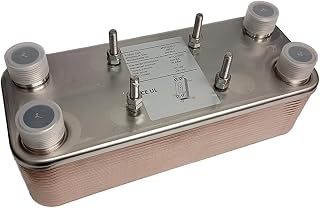
Brand: Furnace Supply
Features: 316L Stainless Steel UL Listed
Best for: Moderate heat transfer needs with a smaller footprint and standard piping connections, suitable for upgrading older outdoor boiler setups without overbuilding the system.
Why selected: The 30-plate option offers a cost-effective middle ground between compact and high-capacity exchangers, with stainless construction for durability.
Limitation: Lower plate count means less potential heat transfer than larger units; ensure your system’s heating load aligns with this capacity.
Buying Guide
What size plate exchanger should I choose?
Consider your boiler’s heating demand, loop flow rates, and available installation space. Smaller rigs can get by with 20-plate models, while larger outdoor boilers benefit from 30–50 plates for more efficient heat transfer.
What material matters?
316L stainless steel is common for outdoor use due to its corrosion resistance. If a unit uses 316L, expect better longevity in humid or outdoor environments. Verify UL listing if that matters for your installation.
What about fittings and connections?
Look for common MPT sizes (1/2″, 3/4″, 1″, 1-1/4″). Ensure the exchanger’s ports match your piping or plan for adapters. Larger plate counts often come with thicker headers and may require more space for mounting.
How do I install safely?
Mount the exchanger securely to reduce vibration, right-size the pumps for the intended flow, and maintain clearance for service. Outdoor installations should consider weather protection and proper drainage around the unit.
What are common limitations to know?
More plates improve heat transfer but increase pressure drop and cost. Fewer plates save on space and budget but may limit heat output. Digitalizing your system with temperature sensors can help optimize performance across different weather conditions.
How to compare units?
Use a simple side-by-side: plate count, port size, material, and UL listing. Higher plate counts yield better heat transfer; match the choice to your outdoor boiler’s heating load and flow requirements.
Quick facts for decision-making
- 20-plate units are best for small setups with space constraints.
- 30–40 plate units balance capacity and footprint for mid-to-large boilers.
- 50 plate units suit high-demand systems with greater flow requirements.
- 316L stainless steel is preferred for outdoor exposure.
FAQ
- Is a plate heat exchanger necessary for an outdoor wood boiler? It is not strictly necessary, but it can improve efficiency by transferring heat between loops without mixing fluids, reducing temperature differentials and improving performance.
- Can I retrofit an existing outdoor boiler with a plate exchanger? Yes, provided the ports and piping match the exchanger’s fittings and your plumbing can accommodate the extra volume and flow dynamics.
- What maintenance is required? Regularly inspect for leaks, clean any fouling from plates if needed, and ensure gaskets and fittings remain secure; follow installation guidelines for your model.
- Which plate count should I avoid? Avoid choosing a plate count far above your system’s heating demand, which can create unnecessary pressure drop and cost.
- Are there safety considerations for outdoor installations? Ensure weather protection, proper ventilation, and secure mounting to withstand wind and temperature fluctuations.
- Do these exchangers require special tools for installation? Basic plumbing tools are typically sufficient; some units may require pipe wrenches and gasket-safe sealants appropriate for water systems.