Answering the need for safe, efficient warmth in small spaces, these portable heaters are best for RV travelers, boat owners, or anyone heating compact living areas. The top picks emphasize safety features, compact design, and reliable heat delivery. This guide highlights who each product suits best and why it stands out for RV use.
Buyer’s quick reference table:
| Product | Best For | Key Benefit | Limitations |
|---|---|---|---|
| Xtreme Heaters Boat, Cabin & RV Heater | RV and boat owners seeking low-profile safety | Tip-over switch and quiet operation | Limited footprint for larger spaces |
| VOCRS 1500W Space Heater | Office or bedroom spaces with remote control | Three heat modes and timer | Remote batteries not included |
| DREO 1500W Space Heater | Versatile indoor use with smart control | Thermostat precision and safety features | Heavier unit |
| GiveBest Portable Electric Space Heater | General indoor use with safety features | Two heating modes and auto shut-off | Beep on tip-over may be loud |
| Pereysi 1000W/700W Personal Heater | Under-desk warmth for RV or office | Low wattage and fast heat timing | Best for personal zone, not whole room |
Xtreme Heaters Boat, Cabin & RV Heater
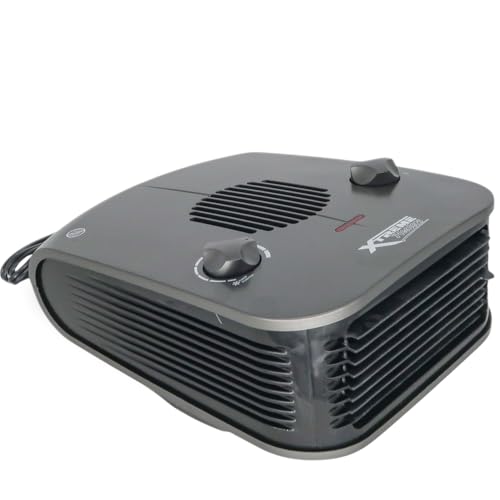
This portable heater is designed to keep small spaces like boats, cabins, or RV bays comfortable. It features a low-profile design and a stable base to prevent tipping, plus a tip-over switch for automatic shut-off. Best for travelers who need quiet operation and safe placement against walls or carpeted surfaces.
Who it’s best for: RV and boat owners who prioritize safety and quiet operation in tight spaces. Why selected: compact form with top-air intake allowing wall proximity without sacrificing safety. Caution: ensure adequate ventilation in very small confined areas to avoid overheating in enclosed spaces.
VOCRS 1500W Portable Indoor Heater

The VOCRS model offers three heating modes (700W/1000W/1500W) with a remote and digital display. It includes a 1-12 hour timer for energy-conscious operation, making it suitable for bedrooms or small offices in RV setups where extended heat isn’t required. Best for: controlled comfort with remote convenience.
Limitations: remote batteries are not included; plan for a spare set if you rely on remote control nightly.
DREO Space Heater 1500W

Powered by an advanced 1500W PTC system with a heat funnel, this model delivers warmth quickly and promotes good air circulation. It includes tilt-detection, overheat protection, ETL-certified safety, and a precise thermostat for energy control. Best for: small-to-medium spaces needing fast heat and smart regulation.
Limitation: more features mean a larger footprint; consider room size before picking this for compact RV bays.
GiveBest Portable Electric Space Heater

This heater provides dual heating modes (1500W/750W) plus a cool-air option, making it adaptable for winter and shoulder seasons. It includes an automatic thermostat, V0 flame retardant housing, auto shut-off, and tip-over protection with an audible alert. Best for: versatile indoor use where both heating and safety are priorities.
Caution: the audible beep on tip-over can be disruptive in quiet RV bedrooms; consider placement away from high-traffic zones.
Pereysi Ceramic Personal Space Heater

Designed for personal warmth, this 1000W/700W unit targets under-desk and foot-well comfort, ideal for RV bunks or office desks. It emphasizes energy-saving personal heating with quick heat—about 3 seconds. Best for: travelers needing focused warmth without heating an entire room.
Limitation: not suitable as the main heat source for larger RV living areas; it’s best as a supplemental heater for a personal workspace.
Buying Guide
Key considerations to choose the right portable heater for an RV:
- Space and heat needs: For very small RV cabins, prioritize compact designs with safety features like tip-over switches and automatic shut-off.
- Safety features: Look for overheat protection, flame-retardant housing, and tilt detection to reduce risk in moving vehicles.
- Power compatibility: Check wattage (700W–1500W common) and the available campground or marina power to avoid tripping breakers.
- Controls and convenience: A remote, timer, and digital display help manage heat without frequent manual adjustments.
- Noise level and placement: Quiet operation is preferable for sleeping areas; ensure the unit is placed away from beds and seating.
- Maintenance and durability: ETL certification or similar safety approvals, sturdy bases, and stable placement are important for RV use.
Frequently Asked Questions
- What wattage should I choose for an RV?
Choose between 700W and 1500W models depending on space. Higher wattage heats faster but uses more power, so match to your electrical capacity.
- Are portable heaters safe for enclosed RV spaces?
Yes, when they have safety features like tip-over protection, overheat protection, and a stable base. Always use in a well-ventilated area and avoid covering vents.
- Is a remote control necessary for RV heating?
Remote controls add convenience in tight spaces, but are optional. Remote-enabled models help adjust temperature from bed or chair.
- Can a personal heater replace central RV heating?
Personal heaters are best for targeted warmth in a specific zone, not for heating an entire RV—it’s more energy-efficient to use them as a supplemental heat source.
- What safety features should I look for first?
Tip-over switch, overheat protection, flame-retardant housing, and ETL or equivalent certification are essential for RV use.