Propane and natural gas heaters offer reliable heating options for homes, cabins, or spaces without dependable electricity. This guide highlights five top options that balance performance, safety, and value. The list covers vent-free blue flame heaters for space heating, dual‑fuel choices, and a high‑capacity tankless water heater for continuous hot water. This selection helps buyers choose between space heating and whole‑home hot water needs while considering installation, fuel type, and practicality for different living situations.
Buyer types at a glance: quick heat for small to medium spaces (vent-free blue flame and radiant heaters); versatile, dual‑fuel options for flexible fuel supply; and a high‑flow gas tankless system for busy households demanding endless hot water. The following table summarizes the five products and their primary strengths.
| Product | Best For | Key Benefit |
|---|---|---|
| Mr. Heater 30,000 BTU Vent Free Blue Flame Natural Gas Heater | Medium‑sized spaces | Strong heat output with vent‑free installation |
| Mr. Heater 30,000 BTU Vent Free Radiant Natural Gas Heater | Even radiant warmth | Radiant heat for consistent comfort |
| Mr. Heater 30,000 BTU Vent Free Blue Flame Dual Fuel Heater | Fuel flexibility | Operates on multiple gas types |
| MIZUDO Natural Gas Tankless Water Heater, 199,000 BTU | Whole‑home hot water | High flow, on‑demand water with precise control |
| GasBRUH Single Tank Top Propane Radiant Heater | Portable outdoor heating | Windproof lighter and multiple modes |
Mr. Heater 30,000 BTU Vent Free Blue Flame Natural Gas Heater

This vent‑free blue flame heater delivers up to 30,000 BTU per hour and can warm spaces up to 1,000 square feet. It uses a battery‑operated electronic ignition, making push‑button start simple during power outages. Best for rooms or cabins that require rapid, substantial warmth without a venting system. Consider this option if you have a large living area and want quick thermal relief on cold days.
Best for: medium to large rooms where venting is impractical. Limitations: must be installed with proper clearance and ventilation per local codes; not suitable for unvented, occupied sleeping areas without proper oversight.
Mr. Heater 30,000 BTU Vent Free Radiant Natural Gas Heater

This radiant model focuses heat energy directly to objects and people in the space, producing steady warmth across the room. With 30,000 BTU and up to 1,000 square feet heating capability, it’s well suited for open floor plans where radiant heat feels most comfortable. It features a battery operated electronic ignition for convenient starts. Best for: spaces where even, ambient warmth is preferred over rapid air movement.
Better for: environments where radiant heat is prioritized over convection. Caution: radiant heaters can warm surfaces quickly; ensure safe clearance from combustibles and pets.
Mr. Heater 30,000 BTU Vent Free Blue Flame Dual Fuel Heater

This dual‑fuel heater provides 30,000 BTU per hour and heats up to 1,000 square feet with a battery‑operated electronic spark ignition. The dual‑fuel capability adds flexibility when one fuel source is scarce. Best for: households that want resilience in fuel supply and ease of switching between gas types. Limitation: ensure compatibility with available gas lines and safety standards for dual‑fuel operation.
Choose this if: you need flexible fuel options and reliable space heating in varying conditions.
MIZUDO Natural Gas Tankless Water Heater, 199,000 BTU

This tankless water heater provides up to 10.3 GPM of hot water, supporting multiple fixtures in busy households. It modulates gas to maintain water temperature within about ±1°F, offering precise control up to 149°F. Best for: homes needing continuous hot water across two to three bathrooms with improved energy efficiency. Limitation: as with all gas tankless systems, installation complexity and venting requirements must be followed precisely.
Better for: newer homes or remodels seeking on‑demand hot water with tight temperature control.
GasBRUH Windproof Portable Propane Radiant Heater
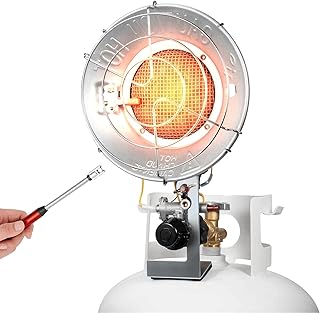
GasBRUH offers a portable, outdoor‑ready propane radiant heater with windproof lighting and multiple heat modes. It includes a tip‑over switch and shut‑off valve for enhanced safety in camping, patios, and RV setups. Best for: outdoor enthusiasts needing portable warmth with quick heat adjustments. Limitation: primarily designed for outdoor use; indoor use may require additional safety measures and ventilation.
Buying Guide: Key Considerations For Propane And Natural Gas Heaters
- Fuel type and availability: Choose between propane, natural gas, or dual‑fuel options based on your home’s gas supply and ease of fuel access.
- Space and heat requirements: Ventless blue flame and radiant models suit different room layouts. Measure space and check BTU needs to avoid over or under‑heating.
- Ventilation and safety: Vent‑free units require proper clearance and ventilation per codes. Install CO detectors and follow manufacturer guidelines.
- Ignition and efficiency: Battery‑operated electronic ignition offers reliability during outages. Evaluate efficiency and heat distribution patterns.
- Installation practicality: Some units are easier to install in existing rooms; others may require professional venting or line work. Assess installation complexity before purchase.
- Temperature control: Tankless water heaters offer precise temp control and continuous hot water, ideal for households with high hot water demand.
Frequently Asked Questions
- Q: Can vent‑free heaters be used in bedrooms? A: They can be used in living spaces with proper ventilation and clearance, but check local codes and avoid sleeping areas without safety considerations.
- Q: Do dual‑fuel heaters need special installation? A: Yes, ensure gas lines and venting comply with supplier and code requirements for safe dual‑fuel operation.
- Q: What is the advantage of a tankless water heater? A: It provides on‑demand hot water with higher efficiency and consistent temperature control, suitable for busy households.
- Q: How do I determine BTU needs for a space? A: Calculate room size, insulation, ceiling height, and climate, then match BTU output to heat demand to avoid oversizing or underheating.
- Q: Is outdoor heating different from indoor heating? A: Yes, outdoor units prioritize portability and weather resistance, while indoor units emphasize ventilation and indoor air safety.
- Q: Are these products safe for long‑term use? A: When installed per manufacturer guidelines and local codes, they provide reliable heating; always monitor for proper ventilation and CO safety.