Answering the common camper-owner question: which propane heater fits your mobile space, safety needs, and heat target? This guide highlights five top propane heaters ideal for RVs, campers, and tiny living spaces. It explains who each unit is best for, why it was selected, and practical trade-offs. Whether you need compact heat for a bunk area or powerful warmth for a larger camper, you’ll find clear, procurement-ready guidance here. The table below compares the selected models at a glance.
| Product | BTU / Heat Area | Best For | Notes |
|---|---|---|---|
| Mr. Heater 9,000 BTU Portable Buddy Radiant | 4,000–9,000 BTU, up to ~225 sq ft | Small campers, bunks, or tents requiring portable heat | Indoor/outdoor use approved; compact and easy to deploy |
| Mr. Heater 30,000 BTU Vent Free Blue Flame | 30,000 BTU, up to 1,000 sq ft | Larger campers or seasonal setups needing robust warmth | Vent-free with electric ignition; higher power |
| ProCom 10,000 BTU ML100TBA-B | 10,000 BTU, up to ~500 sq ft | Quiet, compact space heating in small rooms or RVs | Thermostat control; wall-mountable or on base feet |
| Ruasveltan 18,000 BTU Outdoor/Indoor | 6,000–18,000 BTU, up to 450 sq ft | Versatile indoor/outdoor use; camping and garages | No electricity required; portable with stand |
| Mr. Heater MH9BX (Massachusetts/Canada approved) | 4,000–9,000 BTU, up to ~225 sq ft | Portable warmth in compact spaces; approved for outdoor use | Auto shut-off when tipped or low oxygen; altitude caveat |
Mr. Heater 9,000 BTU Portable Buddy Radiant Propane Heater
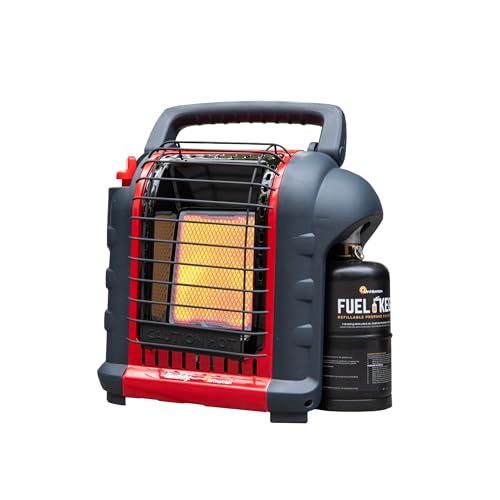
The 9,000 BTU Portable Buddy is best for small campers needing reliable, portable heat. Its radiant output warms people and objects directly, making it efficient in tight spaces. It is designed for both indoor and outdoor use, a practical feature for car-camping or cabin setups. Better for smaller footprints but not ideal for larger RV interiors when maximum space heating is needed. Caution: ensure adequate ventilation and follow oxygen-safety guidelines in enclosed spaces.
Mr. Heater 30,000 BTU Vent Free Blue Flame Propane Heater

This model delivers robust heating for larger campers or when cold nights demand more warmth. With 30,000 BTU and a capacity to heat about 1,000 sq ft, it suits bigger layouts. It features a battery-operated electronic ignition for easier startup. Choose this if you need substantial warmth without extending the unit’s footprint. Limitation: higher BTU means greater fuel use and a larger heat footprint; ensure safe clearance and ventilation.
ProCom 10,000 BTU ML100TBA-B Propane Heater

The ML100TBA-B provides a compact option with 10,000 BTU and thermostat control, ideal for small spaces such as a camper bedroom or living area. It can be mounted on a wall or used with base feet, offering flexible placement. Best for: steady, moderate warmth with simple control. Caution: ensure proper clearance around vents and avoid using in spaces with limited ventilation to prevent gas buildup.
Ruasveltan Indoor/Outdoor Propane Heater, 18,000 BTU
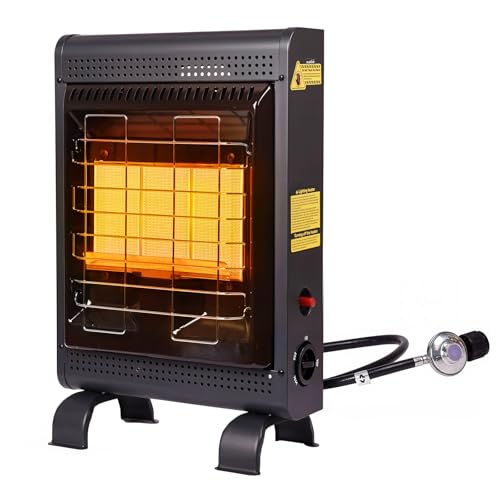
Ruasveltan’s model covers a wide range with 6,000–18,000 BTU, sufficient for medium to larger campers or garage spaces. It’s designed for both indoor and outdoor use and includes options for cord-free operation with a portable stand. Choose this if you want a flexible heater that doesn’t rely on electricity. Caution: check local safety requirements for venting and ensure proper clearance for outdoor use in windy conditions.
Buying Guide: Key Considerations for Camper Propane Heaters
What size space do you need to heat? Measure the camper’s square footage and compare it to the heater’s BTU rating. Higher BTU helps in larger RVs, but also increases fuel use and heat loss. Look for models with thermostat control for steady temperatures and safer operation in enclosed spaces. Consider portability, mounting options, and whether you need indoor/outdoor versatility.
Is ventilation a concern? Propane heaters require adequate ventilation to avoid oxygen depletion. Choose units with safety features such as auto shut-off on tipping, low oxygen detection, and oxygen depletion sensors where available. For tiny campers, a radiant heater may feel warmer in a smaller footprint, while a blue flame unit may be better for whole-space heating in larger layouts.
What about electrical needs and ignition? Battery-operated electronic ignitions add convenience, especially in cold mornings. Some models allow no electricity usage at all, which can be ideal for off-grid camping. If you rely on shore power, check compatibility with built-in thermostats or remote controls for easier adjustments.
Portability and stability matter. If you travel light, a compact heater with a base feet option is preferable. For patio or garage use near an RV, a portable stand improves stability and safety on uneven surfaces. Ensure the unit has a suitable weight and a stable base to prevent tipping.
FAQ
- What size heater do I need for a small camper? A heater in the 4,000–9,000 BTU range is typically sufficient for small campers up to about 225 sq ft, depending on insulation and climate.
- Can propane heaters be used indoors in a camper? Yes, but only with proper ventilation and safety features. Choose models approved for indoor use and follow the manufacturer’s instructions.
- Do these heaters require electricity? Some models have battery-ignition and may not need external power, while others use electric ignition or piezo systems. Check the product specs for ignition type.
- What safety features should I look for? Auto shut-off if tipped, oxygen depletion sensors, and combustion safety shut-offs are important for enclosed spaces.
- Is venting required for propane heaters in campers? Vent-free units exist, but proper ventilation remains essential. When in doubt, consult the stove’s manual or a camping-safety guide.
- Which heater is best for large campers? For larger spaces, consider higher BTU models (such as 18,000–30,000 BTU) that can heat up to 450–1,000 sq ft, while ensuring the space has adequate ventilation.