When choosing a propane heater for an RV, prioritize safe operation, appropriate heating capacity for your space, and reliable performance in varying weather. The top picks below span compact portable units ideal for smaller RVs and larger, furnace-style options for bigger rigs. This guide highlights who each heater is best for, plus clear reasons to choose or avoid each option.
Summary table of selected products (quick reference):
| Product | Best For | Key Benefit | Notes |
|---|---|---|---|
| Mr. Heater 9,000 BTU Portable Buddy Radiant Propane Heater | Small to midsize RVs | Versatile radiant heat with indoor/outdoor use | Heats up to ~225 sq ft |
| ProCom ML100TBA-B 10,000 BTU Blue Flame | Compact spaces and offices | Liquid propane blue flame with thermostat | Wall-mountable or on base feet |
| ProCom ML100TPA-B 10,000 BTU Infrared Plaque | Living areas and bedrooms | Infrared warmth with slim profile | Wall-mount or base feet |
| Mr. Heater MH9BX | Outdoor-ready setups | Portable radiant heater with auto shut-off features | Good for patios, campgrounds |
| KINGRVER RV Furnace 35,000 BTU | Large RVs or travel trailers | High-output furnace with robust airflow | Thermostat control and fault alerts |
Mr. Heater 9,000 BTU Portable Buddy Radiant Heater
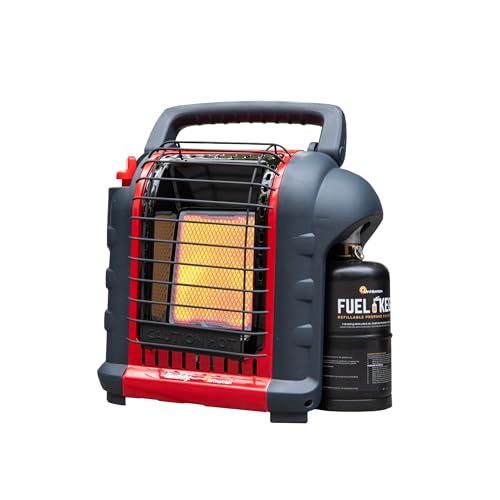
The Mr. Heater Buddy provides adjustable radiant heat with two BTU settings: 4,000 or 9,000 BTU/hr. It is designed and approved for indoor and outdoor use and can heat up to about 225 square feet. Best for small to mid-size RVs or as a supplemental heater when you need quick warmth in a living area or tent-like spaces. A key benefit is versatility for use in varied conditions, but operate within manufacturer guidelines to ensure safe ventilation. Choose this for portable, flexible heating where space is limited.
ProCom ML100TBA-B Blue Flame 10,000 BTU Heater

This compact blue flame heater delivers up to 10,000 BTU and heats up to 500 sq ft. With thermostat control (High/Medium/Low), it offers adjustable warmth for living rooms or small offices inside an RV. It can be mounted on a wall or placed on the floor with included base feet. Best for RV spaces where you want steady heat with a sleek profile, though it may require ventilation awareness in enclosed areas.
ProCom ML100TPA-B Infrared 10,000 BTU Heater

This infrared panel heater provides 10,000 BTU and heats spaces up to 500 sq ft. With thermostat control and a slim, modern profile, it is suitable for RV living areas where you want directional warmth with a quiet operation. Best for bedrooms or living rooms in mid-to-large RVs. The design emphasizes aesthetics and space-saving placement, with wall-mount or base feet options. A caveat is that infrared heating can feel uneven in certain layouts if not positioned properly.
Mr. Heater MH9BX Outdoor Propane Heater

The MH9BX offers 4,000 to 9,000 BTU radiant heating for spaces up to 225 sq ft and is approved for outdoor use with clean-burning, high efficiency performance. It includes auto shut-off features if tipped over, pilot light goes out, or oxygen levels drop. Best for outdoor porch setups or shaded awnings on an RV trip. Consider outdoor use only in windy or enclosed conditions due to ventilation requirements.
KINGRVER RV Furnace 35,000 BTU

The KINGRVER RV Furnace delivers 35,000 BTU with 320 CFM airflow, designed for larger RVs and travel trailers. It provides rapid heat-up and uniform air distribution, with advanced heat exchanger efficiency and a built-in thermostat with fault alerts. Best for larger rigs or when consistent, whole-space warmth is a priority. A consideration is higher upfront complexity and installation requirements compared to portable heaters.
Buying Guide
What size RV heater do you need? Start with the living area square footage and ceiling height. For small RVs (up to 250 sq ft), portable radiant or infrared heaters in the 4,000–10,000 BTU range can suffice. For larger RVs (over 250 sq ft), a forced-air furnace like the 35,000 BTU KINGRVER unit provides steady warmth and even distribution.
Portable vs. built-in. Portable units (Buddy, ML100 series, or MH9BX) offer flexibility and easier transport but require safe placement and ventilation. Built-in or larger furnace systems deliver consistent heat but need professional installation and space planning inside the rig.
Ventilation and safety. Propane heaters must be used with proper ventilation to avoid carbon monoxide buildup. Look for models with oxygen depletion sensors (ODS), tip-over protection, and automatic shut-off features. Outdoor-rated units are safer for open-air setups, while indoor-rated units require adequate exhaust and space.
Heat type and comfort. Radiant heaters warm objects directly, which can feel immediate in a small space. Infrared models provide similar direct warmth but may require precise placement. Blue flame and blue flame plaque heaters can offer strong heat with efficient propane use, while traditional radiant heaters heat air for broader distribution.
Installation and placement. Wall-mount options save floor space. Base feet allow freestanding use on floors. Ensure clearance from walls, furniture, and curtains. In RVs, plan for heat ducts or vent paths to avoid hot spots and ensure even comfort.
Reliability and maintenance. Choose models with straightforward controls, clear diagnostic indicators, and readily available replacement parts. Regular inspection of hoses, regulators, and connections reduces safety risks during travel.
Important Buyer Considerations
- Space: Match BTU output to your RV’s square footage.
- Ventilation: Ensure proper air exchange for indoor use.
- Portability: Consider weight, handling, and whether you need a permanent install.
- Safety: Look for ODS, tip-over protection, and auto shut-off features.
- Power source: Rely on propane; verify regulator compatibility and hose quality.
Frequently Asked Questions
- What is the best heater type for an RV?
The best type depends on space and usage. Portable radiant or infrared heaters work well for small-to-medium RVs, while RV furnaces provide even full-space warmth for larger rigs.
- Do I need ventilation for propane heaters in an RV?
Yes. Propane heaters require proper ventilation to ensure safe carbon monoxide levels. Follow manufacturer guidelines and use units with safety sensors.
- Can I install a residential furnace in an RV?
Residential furnaces are typically not designed for RV dimensions. RV-specific furnaces are recommended for safe, reliable integration with limited space.
- Which heater is best for outdoor camping?
Outdoor-rated radiant heaters with tip-over protection and auto shut-off are ideal for patios or open campgrounds, where ventilation and wind considerations apply.
- How many BTUs do I need for my RV?
BTU needs depend on RV size, insulation, and climate. Smaller rigs may suffice with 4,000–9,000 BTU, while larger units or poorly insulated spaces may require 20,000–35,000 BTU.
- Is it safe to run a gas heater while sleeping in an RV?
Use only models designed for indoor use with proper ventilation and safety features. Some heaters are rated for indoor use; check the manual for sleeping area safety recommendations.