Propane direct-vent wall heaters deliver dependable warmth for compact to mid-size rooms while maintaining indoor air quality. This guide flags models that balance safety, efficiency, and ease of installation. Best for apartments, small houses, or spaces without central heat, these units use direct venting to exhaust combustion byproducts outside. The top picks below are suited for bedrooms, living rooms, and home offices where steady, controlled heat is desired. The summary table highlights key details at a glance.
| Product | BTU | Best For | |
|---|---|---|---|
| Ashley Hearth Direct Vent Wall Heater | 11,000 | Compact spaces, bedrooms | Safety pilot, built-in regulator |
| Comfort Glow 11,000 BTU Direct Vent | 11,000 | Living rooms up to 350 sq ft | Thermostatic control, sealed burn system |
| Comfort Glow Direct Vent 8,000 BTU | 8,000 | Smaller rooms, offices | Piezo ignition, built-in regulator |
| Ashley Hearth 17,000 BTU Direct Vent | 17,000 | Medium-to-large spaces, open floor plans | Quiet, durable burner |
| Mr. Heater 30,000 BTU Vent Free (Natural Gas) | 30,000 | Large spaces with natural gas line | Vent-free, different fuel type |
Ashley Hearth Direct Vent 11,000 BTU Wall Heater

The Ashley 11,000 BTU direct-vent wall heater is designed for indoor spaces up to about 375 square feet. It uses a sealed burn system and a built-in pressure regulator for safety. The unit is best for small living rooms or bedrooms that require steady warmth without compromising air quality. Its matchless piezo lighting offers reliable ignition, reducing battery- or electronics-related failures. A potential limitation is its size and heat output, which may be insufficient for larger open-concept areas without supplemental heat.
Comfort Glow 11,000 BTU Direct Vent Wall Heater
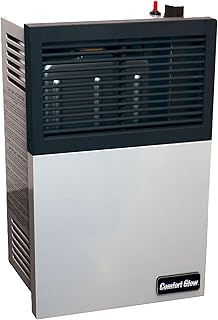
This Comfort Glow model delivers 11,000 BTU and heats up to about 350 square feet, making it a solid choice for living rooms or larger bedrooms. It features thermostatic heat control, a sealed burn system, electronic ignition, and a built-in pressure regulator. Its wall-mount design saves floor space and helps maintain a tidy room. Choose this if you want a balance between precise temperature control and compact installation. A limitation is the slightly taller footprint that may affect low-ceiling installations.
Comfort Glow Direct Vent 8,000 BTU Propane Wall Heater

With 8,000 BTU, this model suits smaller rooms or secondary spaces such as dens or sunrooms. It uses a sealed burn system and a safety pilot with a built-in regulator. The heat output is adequate for localized warmth, and the unit’s dimensions are relatively compact for wall installation. If heating a larger space is needed, consider a higher-BTU option or supplementary heat sources.
Ashley Hearth 17,000 BTU Direct Vent Propane Heater

This 17,000 BTU unit heats up to about 570 square feet, making it suitable for medium-to-large living areas or open-plan spaces. It features a sealed burn system, matchless piezo lighting, and a built-in pressure regulator. The heavier-duty construction supports more demanding use. Best for larger rooms or homes needing a primary heat source in a limited area. A potential limitation is higher installation requirements due to size and venting needs.
Mr. Heater 30,000 BTU Vent Free Natural Gas Heater

Note: This model operates on natural gas and is vent-free, capable of delivering 30,000 BTU for larger spaces. It is best used where a natural gas line exists and venting constraints are manageable. It may be less ideal for tightly sealed rooms without proper ventilation planning. Choose this if you have a larger area to heat and access to natural gas, and need high heat output beyond typical propane units.
Buying Guide: Key Considerations for Vented Propane Heaters
- Room size and BTU needs: Match heater BTU to the square footage you intend to heat. Over-sizing can waste energy; under-sizing can fail to maintain comfortable temperatures.
- Ventilation and installation: Direct-vent models exhaust outside, improving indoor air quality. Confirm wall or venting clearances and professional installation requirements.
- Safety features: Look for safety pilots, built-in regulators, and sealed burn systems to minimize gas leakage risks and maintain stable operation.
- Fuel type and compatibility: Propane direct-vent units require a propane supply; some options in the list are natural gas vent-free, which may not fit every home’s setup.
- Ignition and control: Piezo ignition and electronic controls provide reliable start and easy temperature regulation. Thermostatic control helps maintain consistent warmth.
- Noise and aesthetics: Some heaters operate quietly due to stainless steel burners and sealed burners. Consider the unit’s visual impact on living spaces.
- Maintenance: Sealed burn systems reduce combustion byproducts in the room. Regular inspection of the regulator and connections helps maintain safety and efficiency.
Frequently Asked Questions
- What is direct venting? Direct venting expels combustion exhaust outside the home, improving indoor air quality compared to vent-free models.
- Are propane wall heaters safe for bedrooms? Yes, when installed correctly with proper ventilation, safety features, and carbon monoxide awareness.
- What size heater do I need for a 300 sq ft room? Typically around 10,000–12,000 BTU, but factors like ceiling height and insulation matter.
- Can I install these heaters myself? Some offer easy wall mounting, but professional installation is recommended for venting and gas connections.
- Is vent-free better for large spaces? Vent-free units can deliver higher heat output, but they require adequate room venting and may affect air quality.
- What should I do for safety maintenance? Regular inspections of pilots, regulators, and venting, plus ensuring CO detectors are functional in living areas.