If you’re seeking radiant warmth for floors or ceilings, these systems offer even heat distribution, clean installation, and smart controls. This guide focuses on five top products that fit different homes and budgets, from electric floor heat mats to hydronic panels. Ideal buyers include DIY enthusiasts, bathroom remodelers, small homes, and those wanting precise zone control. Below you’ll find concise comparisons, clear pros and cons, and practical buying tips to help you choose.
| Product | ||
|---|---|---|
| LuxHeat 40sqft Electric Floor Heating System | Electric floor heating kit | Tile floors in bathrooms or kitchens with smart thermostat control |
| Hydronic Radiant Heat Control Panel (2 Zone) | Hydronic panel for underfloor heating | Two-room or two-zone heat needs with professional-grade efficiency |
| Hydronic Radiant Heat Control Panel 3-Zone | Hydronic panel with multiple zones | Larger spaces needing separate zones and expansion options |
| AB Wall-mounted Radiator Heater | Aluminum hot-water radiator | Seasonal heating with compact wall-mount design |
| LuxHeat 20sqft Electric Floor Heating System | Electric floor heating kit (smaller area) | Smaller bathrooms or kitchens with smart thermostat |
LuxHeat 40sqft Electric Floor Heating System

The LuxHeat 40sqft kit provides a complete electric floor heating solution with a programmable touchscreen thermostat and integrated GFCI. It includes a 40-square-foot heating cable, Prova Flex-Heat uncoupling membrane, a floor sensor, alarm, and related installation accessories. This setup is designed for easy room-by-room control, making it well suited for bathrooms, kitchens, and living spaces where tiled floors are common. Best for homeowners who want precise temperature control and quick heat-up times without a boiler system.
Best for: installers seeking straightforward, tile-ready warmth with a modern thermostat interface. The kit’s 120V configuration aligns with typical home outlets, and the uncoupling membrane adds crack prevention and waterproofing benefits under tile. Choose this if you want a 3-in-1 underlayment solution with reliable self-leveling compatibility. A potential limitation is that heating wires must be covered with self-leveler or thinset, and cutting wires is not allowed.
Hydronic Radiant Heat Control Panel – 2 Zone
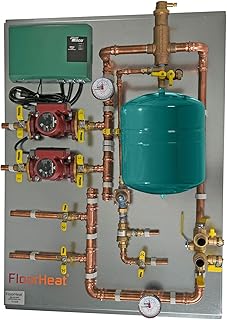
This pre-assembled hydronic panel delivers reliable radiant heating with two zones, designed for efficient operation right out of the box. It emphasizes a compact, space-saving design suitable for homes where hydronic heat is preferred over electric options. This panel is best for buyers who want a ready-to-install system with proven zone control and compatibility with standard heating components. A limitation is the need for a compatible boiler and glycol-ready setup to maximize efficiency.
Best for: homeowners pursuing a hydronic solution with straightforward installation and reliable zoning. It’s well suited for basements or living spaces where a boiler-based system is already in use. Avoid if you lack a compatible boiler or if you prefer an all-electric approach for simpler electrical work.
Hydronic Radiant Heat Control Panel 3-Zone

This 3-zone hydronic panel includes needed components such as an efficient pump and expansion considerations, designed for larger homes or spaces needing multiple temperature zones. It supports easy future expansion and a straightforward flush/fill workflow. The kit emphasizes standard-name-brand components for serviceability and local support. A noted limitation is that it requires boiler and glycol-compatible plumbing and professional installation for best results.
Best for: larger homes or spaces with multiple zones where a scalable hydronic system is preferred. Choose this if you plan to expand heating coverage. Avoid if you need a purely electric, plug-in solution or lack a boiler system.
AB Wall-mounted Radiator Heater with 10 Panels
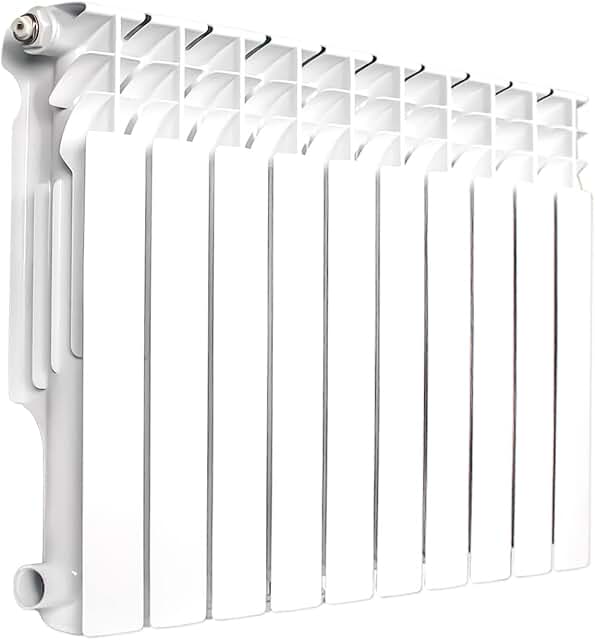
This aluminum radiator offers an efficient hot-water heat source in a compact wall-mount design. The 10-piece kit can emit substantial heat (up to 5,768 BTUs) and features side vents to enhance circulation. It’s designed for quiet operation and consistent warmth without excessive energy use. Best for rooms where wall space is available and a radiator-based solution is preferred over floor heating. A limitation is that it relies on a connected hot-water system and may require additional plumbing work.
Best for: spaces where a slim, wall-mounted radiator is preferred and a centralized hot-water loop exists. Choose this if you want visible radiator warmth with quiet operation. Avoid if you have limited wall space or no existing hot-water supply.
LuxHeat 20sqft Electric Radiant Floor Heating System

The LuxHeat 20sqft kit provides a compact electric floor heating option with a WiFi programmable thermostat and uncoupling membrane. It includes a 20-square-foot heating cable, membrane, floor sensor, alarm, and installation accessories. This setup is ideal for small bathrooms or kitchens where tile is common and space is tight. The UWG5 thermostat supports app and voice control, offering modern convenience. A potential drawback is that smaller kits may require careful planning to ensure full coverage in irregular spaces.
Best for: small rooms needing precise tile-floor warmth and smart controls. Choose this if space is limited but you want a modern thermostat with remote connectivity. Avoid if you need large-area coverage with a single kit.
Buying Guide
What type should you choose? Electric floor heating is easy to install in smaller spaces and tile-ready rooms, while hydronic systems are generally better for larger areas or whole-home heating due to efficiency in high-load applications. Consider the existing infrastructure: electric kits require only electrical wiring, while hydronic panels need a boiler and glycol-compatible plumbing.
How many zones do you need? For multi-room setups, multi-zone panels offer better control and energy savings. If you’re finishing a single bathroom or kitchen, a 1- or 2-zone kit can be sufficient. Evaluate how you plan to regulate heat during the day and night to optimize comfort and cost.
What about installation and maintenance? Prefabricated hydronic panels reduce on-site complexity, but electric floor kits simplify installation in rooms where a boiler is not present. Thermostat features matter: look for dual-sensing (air and floor), scheduling options, and safety features like GFCI protection. Ensure the system is compatible with your floor type and tile thickness.
Footprint and underlayment: Uncoupling membranes help prevent cracks and provide waterproofing benefits under tile. Ensure you follow membrane and installer guidelines, especially regarding wire exposure and leveler requirements. For wood or other floorings, confirm compatibility with the chosen kit.
Warranties and support: Look for manufacturers offering clear warranty terms and US-based support or manuals. This helps with long-term maintenance and serviceability if any component needs replacement.
FAQ
- What is radiant heating best for? Radiant heating is best for tiled floors, bathrooms, kitchens, and spaces where comfortable, evenly distributed warmth is desired without relying on central ducted systems.
- Electric vs. hydronic which should I choose? Electric is typically easier and cheaper to install for small areas; hydronic is more energy-efficient for larger homes or ongoing heating needs.
- Do I need professional installation? Electric floor kits often install DIY with basic electrical work; hydronic panels usually require a professional plumber or HVAC specialist due to boiler integration.
- Can these systems be controlled remotely? Many modern thermostats offer WiFi and app control, along with scheduling and voice control.
- Are there safety concerns? Yes. Look for GFCI protection, proper wall or floor clearance, and manufacturer guidelines on membrane use and installation depth.
- Will radiant floor heating work with all tiles? Most systems work with ceramic and porcelain tiles; verify compatibility with your tile thickness and installation method.