Answering the question “how can I resurface a brick fireplace effectively?” this guide highlights practical products that clean, repair, and restore brick surfaces while keeping safety and practicality in mind. The top picks below are suitable for homeowners tackling soot, heat-damaged brick, or small masonry repairs. The best fits vary from heavy-duty cleaners for soot removal to high-heat bricks for repair and insulation. A quick comparison table is provided to help you choose at a glance.
| Product | Type | Best For | Status |
|---|---|---|---|
| Rutland Brick and Stone Cleaner for Fireplace | Cleaner | Removing soot and smoke residue | Recommended |
| Quick N Brite Fireplace Gel Cleaner | Gel Cleaner | Deep cleaning brick, stone, tile | Strong option |
| Fire Bricks, WoodStove 9″ x 4.5″ x 1.25″ | Insulating Fire Bricks | Heat resistance and insulation | Smart substitute |
| Fire Bricks, Food Grade 9″ x 4.5″ x 1.25″ | High-temp Fire Bricks | Food-safe, ultra-high temp use | Specialized |
| Rutland Fireplace Mortar | Refractory Mortar | Brick and mortar repairs | Repair-focused |
Rutland Brick and Stone Cleaner for Fireplace

What it is: An industrial-strength, non-abrasive cleaner designed to dissolve soot, creosote, and smoke residue from brick and stone surfaces. It contains a solvent system to break down buildup quickly. Best for: Homeowners facing heavy soot and smoke staining on hearth bricks or porous masonry. Why selected: Its strong cleaning action targets stubborn deposits without harsh abrasion that could damage delicate surfaces. Limitation: Contains industrial solvents; use with appropriate ventilation and protective gear as needed.
Quick N Brite Fireplace Gel Cleaner with Scrub Brush

This kit provides a gel cleaner and scrub brush for effective, non-abrasive cleaning of brick, stone, tile, and marble. Best for: DIY cleaners who want a contained gel application and a dedicated brush for thorough scrubbing. Why selected: Gel formula helps reduce splatter and allows more controlled application for even cleaning. Limitation: May require multiple applications for heavy grime; ensure surfaces are compatible with gel cleaners.
Fire Bricks, WoodStove 9″ x 4-1/2″ x 1-1/4″

What it is: Insulating fire bricks designed to withstand high temperatures. Best for: Rebuilding or upgrading the interior heat-brick layer of wood stoves and fireplaces. Why selected: High-temp insulation helps retain warmth and reduces heat loss, contributing to efficiency. Limitation: Not a cleaning product; intended for replacement rather than surface cleaning.
Fire Bricks, Food Grade 9″ x 4.5″ x 1.25″
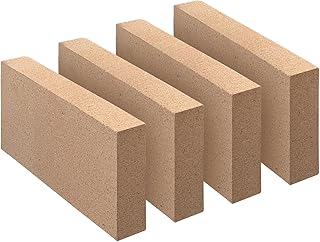
What it is: High-temperature, food-grade fire bricks rated up to 3000°F. Best for: Pizza ovens, smokers, and other high-heat surfaces that may come in contact with food. Why selected: Enables safe, direct contact with food while delivering robust insulation. Limitation: Suitable for specialized high-heat cooking or curing environments; may be overkill for standard fireplaces.
Rutland Fireplace Mortar for Fire Brick & Crack Repair

What it is: A premium refractory mortar suitable for bonding firebrick and masonry, with heat resistance up to 2,000°F. Best for: DIY fireplace and chimney repairs, including sealing cracks and re-pointing joints. Why selected: Provides durable, heat-safe repairs where masonry integrity matters. Limitation: Not a finishing surface product; may require finishing work to match existing mortar color.
Buying Guide: Key Considerations for Resurfacing A Brick Fireplace
- What is your main goal? Cleaning soot and smoke versus repairing mortar or replacing bricks. Cleaners are best for surface prep, while mortars and bricks address structural repairs.
- Heat exposure: Choose high-heat or food-grade bricks if your fireplace sees extreme temperatures or direct cooking use.
- Surface compatibility: Porous brick and natural stone respond differently to cleaners. Test a small area first to avoid staining or damage.
- Ventilation and safety: Industrial cleaners and high-heat materials may require gloves, eye protection, and good airflow.
- Application method: Gel cleaners and brushes offer controlled application, while ready-to-use mortars require mixing and curing time.
- Durability vs. aesthetics: Cleaning can restore look, but repairs and masonry upgrades improve long-term performance and heat efficiency.
Frequently Asked Questions
- What should I clean first, soot or old mortar?
Clean soot to improve appearance, then assess mortar integrity for potential repair. - Are high-heat bricks necessary for every fireplace?
Not always; use standard bricks if your fireplace never reaches extreme temperatures. Consider high-heat bricks for frequent, high-temperature use. - Can I use kitchen cleaners on brick fireplaces?
No. Use cleaners designed for masonry to avoid damage or residues that could affect heat transfer. - How long does fireplace mortar take to cure?
Curing times vary by product; follow manufacturer instructions for drying and curing before use. - Is it safe to combine cleaning and repair steps?
Yes, but ensure surfaces are dry and free of cleaning residues before applying mortar or bricks. - What is the best order for resurfacing a fireplace?
Start with cleaning and surface prep, then replace or repair bricks as needed, and finish with any mortar sealing or repainting if applicable.