If you’re seeking reliable warmth in an RV without relying on exterior power, these vented, no-electricity propane heaters are ideal. They heat spaces efficiently, operate during outages, and help maintain comfort on the road or at a campground. This guide highlights five top options, who they’re best for, and practical buying considerations so you can compare quickly and choose confidently.
| Product | Best For | Key Benefit |
|---|---|---|
| Ashley Hearth DVAG17L | Medium-sized RVs, power outages | Up to 17,000 BTU, direct-vent, no electricity required |
| Ashley Hearth DVAG11L | Compact spaces, off-grid trips | Up to 11,000 BTU, direct-vent, no electricity required |
| Heat Hog 4,000 BTU Portable | Small spaces, mobility, quick heat | Portable, no electricity, angled heat for directed warmth |
| Dyna-Glo BFSS10LPT-2P | Small-to-mid RVs, budget-friendly | 10,000 BTU, blue flame convection, vent-free |
| Mr. Heater 10,000 BTU Vent Free | Basic off-grid heating needs | 10,000 BTU, vent-free, piezo ignition |
Ashley Hearth DVAG17L Direct-Vent Propane Wall Heater
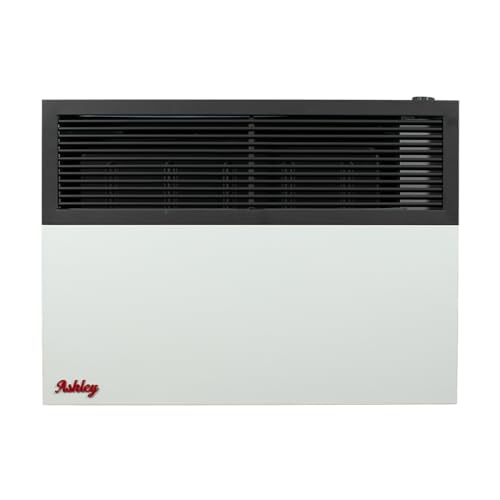
Best for medium RV rooms and power outages. This direct-vent wall heater delivers up to 17,000 BTUs, heating spaces up to about 570 square feet. It operates without electricity, making it ideal for off-grid travel or emergency scenarios. The sealed burn system draws outdoor air for combustion and vents exhaust outdoors, improving indoor air quality. A potential limitation is its size; it’s best suited for larger RV areas rather than compact trailers.
Ashley Hearth DVAG11L Direct-Vent Propane Wall Heater

Best for compact RVs or tight spaces. The DVAG11L provides up to 11,000 BTUs to heat about 375 square feet, with no electricity required. Its direct-vent design ensures outdoor air intake and vented exhaust for cleaner indoor air. It’s a sensible pick for smaller living areas, though heating larger rooms may require closer placement or supplemental heat.
Heat Hog 4,000 BTU Portable Propane Radiant Heater

Best for small, highly portable spaces such as a single RV cab or cockpit, or for outdoor camping setups. This compact unit delivers about 4,000 BTUs and runs on a 1 lb propane cylinder with no electricity required. Its angled head directs heat efficiently, but the smaller BTU rating means it’s less suited for larger living areas or very cold conditions.
Dyna-Glo BFSS10LPT-2P 10,000 BTU Propane Radiant Heater

Best for small-to-mid RV spaces needing steady, convective warmth. The blue flame technology distributes heat via convection, and it offers adjustable 8,000–10,000 BTU output to cover up to about 300 square feet. It’s a solid budget-friendly option, though installation space and venting considerations should be planned carefully in compact RVs.
Mr. Heater 10,000 BTU Vent Free Radiant Propane Heater

Best for basic off-grid heating needs in small spaces. This unit delivers 10,000 BTU per hour and warms areas up to about 300 square feet. It uses a piezo ignition and operates without electricity. A caution: ensure proper ventilation as it’s a vent-free heater, and verify space heating limits for safety in enclosed RV compartments.
Buying Guide
What to consider when selecting a vented, no-electricity propane heater for an RV:
- BTU rating and space coverage: Match BTUs to your RV size. Higher BTU units heat larger areas but may require more clearance and venting considerations.
- Ventilation type: Direct-vent models pull in outdoor air and vent exhaust outside, improving indoor air quality. Vent-free units rely on the RV’s existing ventilation and require careful monitoring of CO and oxygen levels.
- Power independence: All listed options operate without electricity, but some may require electrical ignition or accessories. Consider ignition type and battery needs for reliability.
- Portability vs. fixed installation: Portable heaters offer flexibility for different spaces, while wall-mounted models save space in tight RVs.
- Space and safety clearances: Check manufacturer clearance requirements around combustibles, ceiling height, and furniture placement to prevent overheating.
- Maintenance and replacement parts: Look for models with accessible replacement parts and straightforward maintenance routines for long-term use.
Frequently Asked Questions
- Are vented propane heaters safer for RVs?
– Direct-vent models reduce indoor combustion by exhausting outdoors, improving air quality, while vent-free units rely on RV ventilation and require careful use. - Can I use these heaters during power outages?
– Yes, all listed models are designed to operate without electricity, making them suitable for outages and off-grid use. - What space size can each heater heat effectively?
– Typical ranges: 11,000–17,000 BTU units cover 375–570 sq ft; smaller units cover around 100–300 sq ft depending on insulation and air flow. - Do I need professional installation?
– Direct-vent and vent-free propane systems may require proper venting and gas line connections; follow manufacturer guidelines and local codes. - What safety measures should I follow in an RV?
– Ensure proper ventilation, install carbon monoxide detectors, and keep a clear area around heaters free of flammable materials. - Are these heaters compatible with all RV types?
– Most are designed for standard RV layouts; verify clearances and mounting options for your model and space before purchase.