Propane heaters offer portable warmth for garages, patios, workshops, and tents. This guide highlights five top options and explains who each is best for, so you can choose confidently. Whether you need portable heat at a job site or steady warmth for a shaded patio, these models provide radiant heat and practical safety features to fit different spaces and activities.
| Brand | Name | BTU | Best For |
|---|---|---|---|
| Mr. Heater Store | 9,000 BTU Portable Buddy Radiant Propane Heater | 4,000/9,000 | Medium spaces, occasional outdoor use |
| Mr. Heater Store | 3,800 BTU Little Buddy Portable Radiant Propane Heater | 3,800 | Compact spaces, small rooms |
| Mr. Heater Store | 30,000 BTU Vent Free Radiant Propane Heater | 30,000 | Large areas, workshops |
| thermomate Store | ThermoMate 18,000 BTU Indoor Outdoor Cabinet Heater | 18,000 | Garages, patios, versatile spaces |
| Mr. Heater Store | 9,000 BTU Portable Buddy Radiant Heater (Canada) | 4,000/9,000 | Canadian spaces, portable warmth |
Mr. Heater Buddy 9,000 BTU: Portable Radiant Comfort

This is a versatile radiant heater that offers two heat settings of 4,000 or 9,000 BTU per hour. It is designed for both indoor and outdoor use, making it a flexible option for garages, tents, or workshops. It heats up to about 225 square feet, delivering quick warmth when you need it most. Best for buyers who want a portable unit that can handle mid-sized spaces and occasional outdoor sessions.
Best for: small to medium rooms and semi-outdoor areas. Limitations: requires proper ventilation and clearance; always follow safety instructions for enclosed spaces.
Mr. Heater Little Buddy: Compact 3,800 BTU
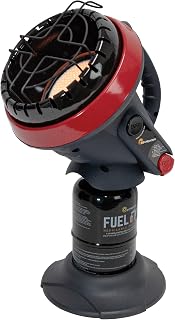
This compact model provides 3,800 BTU per hour and is designed for propane gas use. It heats up to about 95 square feet, making it ideal for personal workspaces, small cabins, or a compact living area. Best for: individuals needing a tiny, portable heat source for limited spaces. Caution: suitable for smaller areas; do not rely on it to heat large rooms or poorly ventilated spaces for extended periods.
Mr. Heater 30,000 BTU Vent Free Radiant Heater

This unit delivers a high output of 30,000 BTU per hour and can warm up to about 1,000 square feet. It uses a battery-operated electronic ignition and is designed for vent-free operation. Best for: larger spaces like workshops, garages, or open-plan basements where more heat is required. Limitation: vent-free units can impact indoor air; ensure adequate ventilation and follow manufacturer guidance on space requirements.
ThermoMate 18,000 BTU Indoor Outdoor Cabinet Heater

This cabinet-style heater provides 18,000 BTU of radiant heat and warms areas up to 450 square feet. It comes CSA certified for safety and includes oxygen depletion safety (ODS) and tip-over protection. It is best for: garages, patios, and workshops where a durable, quieter heat source is preferred. Caution: do not use in tightly enclosed spaces; maintain ventilation and follow safety features to prevent overheating or oxygen depletion.
Mr. Heater Buddy (Canada): 9,000 BTU Portable

This variant mirrors the core Buddy design with dual BTU options and a durable build featuring steel, plastic, and nickel components. It heats between 4,000 and 9,000 BTU per hour and is suitable for portable warmth in Canadian settings and other adaptable spaces. Best for: travelers or outdoor enthusiasts who need a reliable heat source in cooler climates. Limitation: ensure appropriate clearance and ventilation when used indoors for extended periods.
Buying Guide: What To Consider When Selecting a Propane Heater
- Space size and BTU needs: Match heater output to the area you intend to heat. Larger spaces will require higher BTU models; smaller spaces benefit from compact units.
- Indoor vs. outdoor use: Some models are designed for enclosed spaces with ventilation, while others work best outdoors or in semi-open areas.
- Ventilation and safety: Look for oxygen depletion sensors (ODS), tip-over protection, and automatic shutoffs. Ensure proper venting for indoor use where required.
- Portability and setup: Consider handle design, weight, and ease of setup for frequent relocation.
- Fuel access and running time: Evaluate propane tank compatibility and estimated runtime on low/high settings, especially for prolonged use.
- ignition type: Battery-operated electric ignition can be convenient; mechanical ignition is another option to weigh for reliability.
- Durability and build: Cabinets and casings that resist heat and impact are beneficial for garages, workshops, and outdoor spaces.
Frequently Asked Questions
- What size propane heater should I buy for my garage?
Estimate the space in square feet and choose a BTU rating that comfortably heats that area. For example, about 18,000 BTU for mid-sized garages and 30,000 BTU for larger workshops.
- Are vent-free heaters safe for indoor use?
Vent-free heaters can be safe with proper ventilation and clearances. Look for units with ODS and tip-over protections and follow all safety guidelines.
- Can I use these heaters in outdoor patios?
Yes, many models are designed for outdoor or semi-outdoor use. Always ensure protection from the elements and use appropriate weather safeguards.
- Do these heaters require electricity?
Some models include electric ignition or electronic features; others rely on manual ignition. Battery-free mechanisms may still use electricity for ignition or safety sensors.
- What maintenance do propane heaters need?
Regularly inspect for fuel leaks, clean vents, check ignitions, and ensure safety devices function properly. Replace batteries as needed and follow the manufacturer’s maintenance schedule.