The best smart thermostats for radiant heat are high‑voltage, Wi‑Fi connected models that support 120V–240V systems and offer reliable scheduling, remote control, and compatibility with popular voice assistants. This guide highlights five proven options, suitable for electric baseboard or underfloor heating installations. Choose this if you want precise floor warmth, energy savings, and easy integration with your smart home. The list below includes a quick summary to help you compare features at a glance.
| Brand | Product | Key Benefit | Best For |
|---|---|---|---|
| Mysa | Mysa Smart Thermostat LITE for Electric Baseboard Heaters | Low-cost, flexible scheduling | |
| meross | meross Matter Smart Thermostat for Electric Baseboard Heater | Universal Matter compatibility | |
| Mysa | Mysa Smart Thermostat for Electric Baseboard Heaters 240V | Remote control with full app | Installers needing 240V support and alerts |
| SunTouch | SunTouch SunStat CommandPlus | Touchscreen with floor/air sensing | Floor heating systems needing sensing features |
| BOWSEN | Programmable Thermostat for House Radiant Underfloor Heating | GFCI protection and dual sensing | Safety‑oriented installations |
Mysa Smart Thermostat LITE for Electric Baseboard Heaters
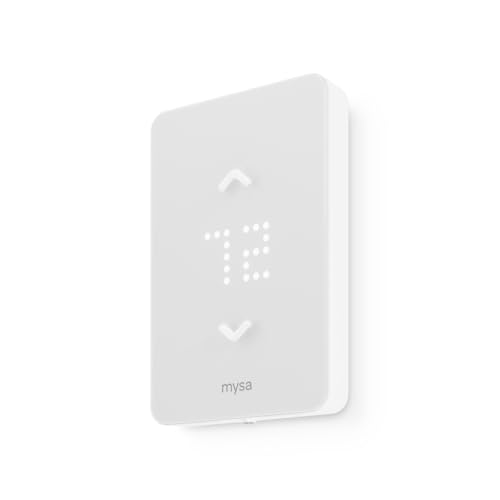
- WiFi thermostat for 120V‑240V systems with no hub required.
- 7‑day scheduling and remote control via the Mysa app.
- Works with HomeKit, Amazon Alexa, and Google Home.
Best for: Homeowners who want a straightforward baseboard heater control with reliable remote access. This model is ideal for users prioritizing scheduling and voice integration without extra hardware.
Caution: Ensure your baseboard system supports the high/line voltage requirements and that you have four wires including a neutral for proper operation.
meross Matter Smart Thermostat for Electric Baseboard Heaters
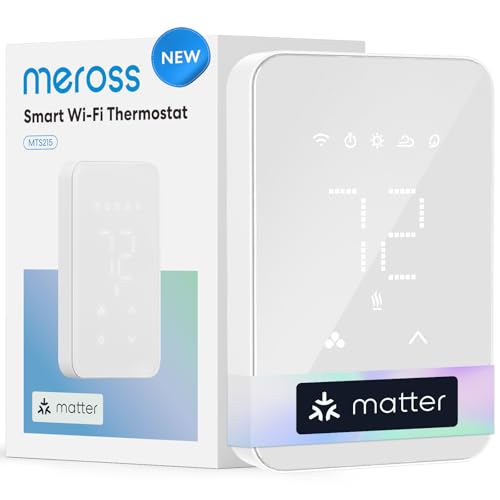
- Universal Matter compatibility with Alexa, HomeKit, Google Home, SmartThings.
- High‑voltage support (120–240 VAC) for baseboards, convectors, and fan‑forced heaters.
- 24/7 scheduling to save energy and maintain comfort.
Best for: Buyers using multiple ecosystems or planning future smart‑home expansion, thanks to broad compatibility across major platforms.
Caution: Not compatible with low‑voltage HVAC systems; verify your wiring and voltage before purchase.
Mysa Smart Thermostat for Electric Baseboard Heaters 240V

- Supports 240V systems with remote control via a free app.
- Minimally invasive install with app‑based management; requires four wires with neutral or second live wire.
- Temperature and humidity alerts for status monitoring.
Best for: Users upgrading older 240V baseboard setups who want full app control and alert features.
Caution: Check compatibility with older two‑wire baseboard configurations before buying.
SunTouch SunStat CommandPlus

- 4.3″ touchscreen with remote access and SmartStart adjustments for floor heating.
- 7‑day programmable schedules and energy monitoring.
- Floor and air sensing controls with floor max settings to protect flooring.
Best for: Radiant floor setups needing precise floor sensing and a modern touchscreen interface.
Caution: Some advanced features may require consistent Wi‑Fi access for remote control.
Programmable Thermostat for House Radiant Underfloor Heating (BOWSEN)
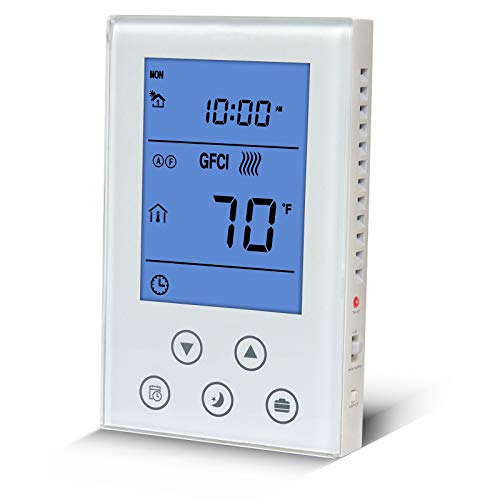
- Works with 120V or 240V, up to 3600W at 240V, 1800W at 120V.
- Includes floor and air sensors with built‑in GFCI and safety testing.
- Dual sensing and built‑in GFCI provide extra protection for floors and occupants.
Best for: Safety‑minded installs requiring GFCI protection and dual sensing for accurate comfort control.
Caution: The unit’s high power output requires careful wiring and adherence to electrical codes.
YeloDeer 1 PC Dual Voltage 120V/240V WiFi Heated Radiant Floor Thermostat

- Supports 120V and 240V with 5+1+1/7‑day programming for tailored schedules.
- Works with Alexa and Google Assistant; app available for remote control.
- Universal compatibility with most underfloor heating systems.
Best for: Homes needing flexible scheduling across a full week with voice assistant support and cross‑platform control.
Caution: Ensure the system uses compatible voltage and that the installation wiring matches the device requirements.
Buying Guide
What matters most when choosing a radiant heat thermostat
- Voltage compatibility: Look for 120V–240V support to cover baseboards and underfloor systems.
- Wiring requirements: Many high‑voltage thermostats require four wires and a neutral; verify your wiring before purchase.
- Connectivity and ecosystems: Decide between Wi‑Fi only or Matter/SmartThings compatibility if you use multiple voice assistants.
- Floor protection features: Floor sensing, max floor temperature, and GFCI protection help prevent overheating and protect flooring.
- Scheduling and automation: 7‑day programs and adaptive schedules boost energy savings without compromising comfort.
- Installation impact: Some units are easier to install with existing wiring; others may need professional help due to power requirements.
Smart home considerations
Consider whether you want direct app control, voice commands, and remote access while away from home. Systems with universal compatibility reduce the risk of ecosystem lock‑in. For floor heating, floor sensing and environmental awareness can improve comfort while reducing energy use.
Installation and safety tips
Always follow electrical codes and manufacturer instructions. If you are unsure about wiring, consider professional installation. Verify that a high/line voltage baseboard or radiant system is compatible with the thermostat you select. Use GFCI where required and check for proper neutral or return wiring as specified.
FAQ
- What is the main advantage of a high‑voltage smart thermostat for radiant heat? It directly controls electric baseboards and underfloor heaters at the line voltage, enabling precise scheduling and remote access without a separate boiler or HVAC system.
- Can I use any smart thermostat with radiant floor heating? Not always. Many models are designed specifically for high‑voltage systems (120V–240V) and require proper wiring and neutral conductors. Check voltage compatibility first.
- Is Matter compatibility important for radiant heat thermostats? Matter compatibility can simplify control across devices and ecosystems, especially if you use multiple smart home platforms.
- Do these thermostats offer floor protection features? Several options include floor sensing, floor max settings, and GFCI protection to help prevent overheating and electrical issues.
- Will these thermostats save energy? Yes, with scheduling, adaptive display settings, and remote control when away from home, you can optimize heating and reduce wasted energy.
- Is professional installation recommended? For high/line voltage bases, professional installation is often advised to ensure safety and code compliance.