Smart thermostats for wall heaters help you cut energy use while keeping rooms comfortable. This guide highlights five top options that work well with wall-mounted electric baseboard and similar high-voltage setups. The best pick depends on your needs: simple DIY install, voice control, or seamless compatibility with a smart home hub. The table below quickly compares who each product is best for.
| Product | Best For | Voltage Range | Smart Home Compatibility | Installation |
|---|---|---|---|---|
| Mysa Smart Thermostat LITE | Owners seeking simple WiFi control and scheduling | 120V-240V | HomeKit, Alexa, Google | Moderate |
| Meross Matter Smart Thermostat (Electric Baseboard) | Home with Matter ecosystem | 120V-240V | Alexa, HomeKit, Google, SmartThings | Moderate |
| Meross Smart Thermostat (High-Voltage, 4-Wires) | High-voltage installs with 4-wire setup | 120V-240V | HomeKit, Alexa, Google, Siri | Moderate |
| Sensi Lite Smart Thermostat | Easy DIY with common heat/cool systems | Most common HVAC | Alexa, Google, DIY | Easy |
| ecobee Smart Thermostat Essential | Energy savings and broad compatibility | Most systems (check compatibility) | Alexa, Google, Apple HomeKit | Moderate |
Below are five product spotlights to help compare features, compatibility, and potential limitations. Each section notes who should consider the product, why it’s a strong fit for wall heaters, and a practical caveat to keep in mind.
Mysa Lite: Great WiFi Mini for Wall Heaters
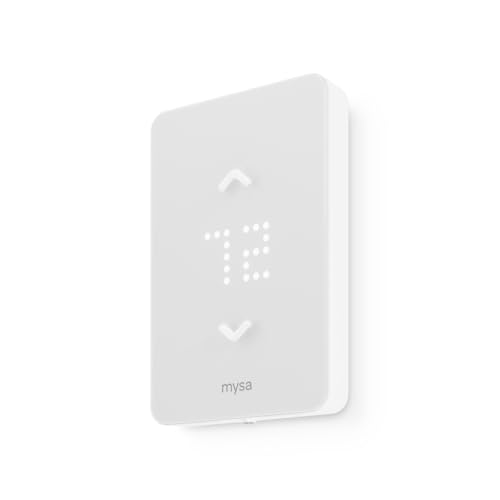
The Mysa Smart Thermostat LITE is designed for electric baseboard heaters and provides WiFi control without a hub. It supports 7-day scheduling and works with Apple HomeKit, Amazon Alexa, and Google Home. This unit is best for users who want an economical, straightforward upgrade to a wall heater with reliable scheduling and remote control.
Best for: Homeowners or renters seeking simple, app-driven control and clear energy savings without extra devices. The in-app scheduling helps reduce heating when away and pre-warms before returning home.
Caution: Some advanced diagnostic features require the Mysa app and a stable WiFi connection; performance depends on network reliability.
Meross Matter Smart Thermostat (Matter)
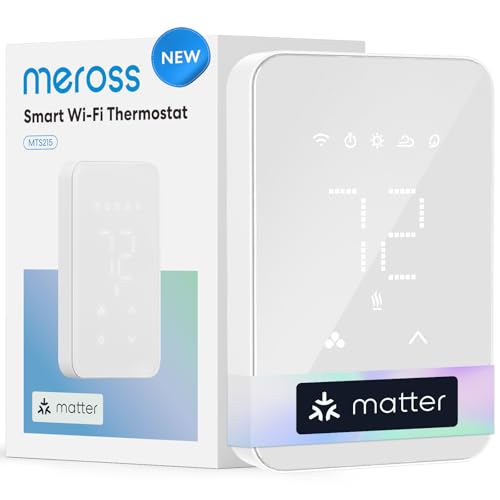
The Meross Matter Thermostat supports Matter compatibility across Alexa, HomeKit, Google, and SmartThings. It’s designed for high-line voltage electric heating systems like baseboards and convectors. This makes it a strong fit for households embracing a multi-brand smart ecosystem and seeking flexible voice control across platforms.
Best for: Smart home users wanting broad ecosystem freedom and cross-platform voice control. It’s a good pick when you want Matter-enabled devices to communicate with multiple assistants.
Caution: Not all Meross models include the same installation options; verify the required wiring and the presence of a stable WiFi connection for continuous performance.
Meross 4-Wire High-Voltage Thermostat

This Meross model is built for high-voltage systems and requires four wires for installation. It supports HomeKit, Alexa, Google, and SmartThings, enabling voice and app control. It’s better for users with a 4-wire configuration who want reliable integration with multiple ecosystems.
Best for: Users with a 4-wire setup seeking a flexible, high-voltage smart thermostat with strong voice assistant integration. It’s important to confirm wiring compatibility before purchase.
Caution: Installation complexity is higher than some 2-wire options; professional help may be advisable if wiring isn’t straightforward.
Sensi Lite Smart Thermostat

The Sensi Lite offers DIY-friendly installation with a built-in level and straightforward instructions. It’s commonly compatible with a wide range of HVAC systems and is known for energy-saving features like flexible scheduling and remote access. This model is well-suited for homeowners who want a simple, reliable upgrade without advanced smart features.
Best for: DIY installers seeking a straightforward setup and reliable energy savings for typical wall-heater setups. It’s a pragmatic choice when ecosystem breadth isn’t a priority.
Caution: Some systems may require a C-wire for heat pumps or heat/cool configurations; verify wire requirements before installation.
ecobee Smart Thermostat Essential

The ecobee Essential emphasizes energy savings and broad compatibility, including Apple HomeKit, Alexa, and Google. It’s designed to adapt to your schedule and offers software upgrades to keep features current. This makes it a strong option for households seeking robust smart-home integration and ongoing enhancements.
Best for: Users wanting a versatile, future-ready thermostat with broad platform support and proven energy management capabilities.
Caution: Ensure your current HVAC system is compatible; ecobee’s online checker can help confirm suitability before purchase.
Buying Guide: Smart Thermostats For Wall Heaters
What to consider when choosing
- Voltage compatibility: Wall heaters often run on 120V-240V. Confirm the thermostat supports your exact voltage range and wiring setup.
- Wiring requirements: Some models require 2 wires, others 4 wires. Verify what your baseboard or convection heater needs for safe, reliable operation.
- Installation ease: DIY-friendly options save time, but some high-voltage installs benefit from professional help to ensure safe wiring.
- Smart home ecosystem: If you use HomeKit, Alexa, or Google, choose a thermostat with native support for your preferred assistants and consider Matter compatibility for broader cross-brand control.
- Energy savings features: Look for scheduling, geofencing, and usage reports. ENERGY STAR certification can be a helpful indicator of efficiency.
- App reliability and data privacy: Ensure the manufacturer offers secure apps and a transparent approach to data handling.
Frequently Asked Questions
- Do smart thermostats work with electric baseboard heaters?
- What wiring is required for high-voltage wall heaters?
- Is Matter compatibility important for wall-heater thermostats?
- Can I install a smart thermostat myself on an electric baseboard?
- Are there energy savings guarantees with these models?
- How do I verify compatibility with my HVAC system?