Looking for an effective soot cleaner for your fireplace? This guide highlights five top options that target soot, creosote, and smoke residue across brick, stone, glass, and gas log sets. Each product is chosen for particular needs—whether you want a comprehensive brick-and-masonry cleaner, a glass-cleaning solution, or an easy, no-scrub remover. The list helps you match cleaners to your fireplace type and cleaning routine, from brick surfaces to glass panels and gas logs.
Summary table of selected products
| Product | Best For | Notes |
|---|---|---|
| Quick N Brite Fireplace Gel Cleaner | Brick, stone, tile, marble surfaces | Non-abrasive gel; scrub brush included |
| Quick N Brite Fireplace Glass Cleaner Kit | Glass doors and panels | Cloth and sponge included; safe on glass |
| Rutland Brick and Stone Cleaner | Hearth brick and stone surfaces | Industrial emulsifier; non-abrasive |
| Rutland Gas Log Soot Remover | Gas log sets | Spray-on, no-wipe formula |
| CHIMNEYRX Paint N Peel Fireplace Cleaner | Fronts and hearths with soot stains | Peels away film; water-based |
Best Overall: Quick N Brite Fireplace Gel Cleaner

Best for heavy-duty brick and stone cleaning without abrasion. This 16 oz gel cleaner targets soot, creosote, ash, and grime on brick, stone, tile, and rock surfaces. The kit includes a scrub brush, enabling thorough cleaning in one session. The gel formula is designed to break through tough spots, while remaining gentle enough to avoid surface damage. Best for homeowners who want a deep-cleaning result with minimal scrubbing effort.
Who it’s best for: homeowners with brick or stone fireplaces who want a powerful, non-abrasive cleaner and a built-in scrubbing tool. Why selected: versatile for multiple surface types and strong enough for stubborn buildup. Caution: avoid using on highly delicate or painted surfaces not specified by the manufacturer, and follow rinsing instructions to prevent residue buildup.
Best Glass Cleaner for Fireplace Doors

Best for removing soot, smoke, and creosote from glass surfaces on fireplaces and gas stoves. The 16 oz formula is designed for glass doors and panels, with a finger sprayer for even application. The included cloth and sponge facilitate quick cleaning without scratching. This product is well-suited for cool-glass use and general glass surfaces around fireplaces.
Who it’s best for: homeowners who primarily want a glass-focused cleaner that is easy to apply and safe for various glass surfaces. Why selected: simple, spray-on application with easy wipe-down; reduces streaks and smudges. Caution: only use on cool glass to prevent damage or splatter on hot surfaces.
Best Brick and Stone Cleaner

Best for hearth brick and stone surfaces, this cleaner targets soot and creosote buildup on brick, stone, and porous masonry. It is described as non-abrasive and designed to dissolve buildup efficiently. The formula includes an industrial-strength solvent for quick action, making it suitable for heavy grime on traditional fireplaces.
Who it’s best for: homeowners with brick or stone hearths needing a strong, non-abrasive solution. Why selected: proven emphasis on soot and creosote removal for masonry surfaces. Caution: ensure adequate ventilation and test on an inconspicuous area first due to solvent use.
Best For Gas Logs
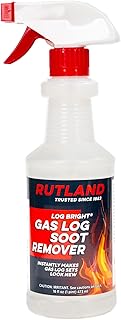
Best for cleaning soot from gas log sets, this product offers an easy, spray-on, no-wipe formula. It aims to restore the appearance of gas logs without discoloring the logs or harming burners. The product is positioned as convenient for quick touch-ups and ongoing maintenance of gas fireplaces.
Who it’s best for: owners of gas log fireplaces seeking a simple, no-scrub solution. Why selected: hands-off cleaning with straightforward spray application. Caution: verify compatibility with your specific gas log design and follow safety guidelines for use around flames and gas components.
Best Peel-Off Cleaner for Fronts
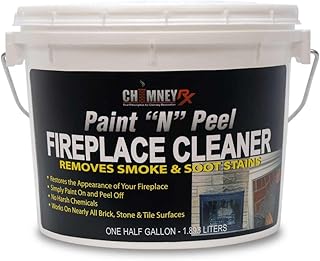
Best for removing smoke and soot stains from fireplace fronts and hearths, this water-based cleaner dries into a thick film that peels away, lifting dirt and grime. It’s designed to renew the look of front-facing surfaces and is marketed as easy to peel without harsh chemicals. This option is ideal for cosmetic restoration without aggressive scrubbing.
Who it’s best for: homeowners dealing with visible soot stains on fireplace fronts. Why selected: the peeling action can reduce manual labor and surface abrasion. Caution: follow the peeling instructions carefully to ensure clean removal and prevent residue on surrounding surfaces.
Buying Guide: How To Choose The Right Soot Cleaner For Your Fireplace
Consider what surface you need to clean, how much buildup you face, and how much effort you want to invest. Here are practical questions to guide your choice:
- What surface is most affected—brick, stone, glass, or gas logs? Choose a product designed for that material to avoid damage.
- Do you prefer a no-scrub solution or are you willing to scrub lightly for a deeper clean? Some products offer spray-and-wipe action, while others include pads or brushes.
- Is ease of use a priority? Glass-cleaning kits with sprayers and included cloths simplify the process.
- Are you cleaning front-facing surfaces only or the entire hearth? Front-peel cleaners focus on cosmetic restoration; masonry cleaners address large buildup.
- Do you need a product made in the USA or formulated for non-toxic, low-odor use? This can influence safety and comfort in enclosed spaces.
How to apply soot cleaner safely
Always read the product label. For most cleaners, lightly dampen a cleaning tool, apply the cleaner to the target surface, and work the product in with a brush or sponge. Rinse or wipe away with clean water and a lint-free cloth. Allow surfaces to dry completely before using the fireplace again.
Maintenance and prevention tips
- Clean soot build-up regularly to prevent deep staining and odor.
- Vacuum and wipe the surrounding area to control dust and ash.
- Inspect for creosote build-up in wood-burning fireplaces and schedule professional cleaning as needed.
FAQ
- Q: Is it safe to use these cleaners on all fireplace surfaces? A: Most products are formulated for specific surfaces (brick, stone, glass). Always follow the label and test on a small area first.
- Q: Can I use a glass cleaner on brick surfaces? A: Not recommended; brick and stone require cleaners designed for masonry to avoid surface damage.
- Q: Do I need to wear protective gear? A: For routine cleaning, cleaners labeled as non-abrasive and low-odor may not require masks or gloves, but follow the manufacturer’s safety guidance.
- Q: How often should I clean soot from a fireplace? A: Frequent heat seasons may warrant monthly light cleanings; heavy buildup should be addressed with the appropriate remover as needed.
- Q: Are these cleaners environmentally friendly? A: Many are water-based and non-toxic, but check each product’s safety data and disposal guidelines.
- Q: Can I use these cleaners on porcelain or marble? A: Only if the product specifies compatibility with those surfaces; otherwise, use a surface-appropriate cleaner.