If you’re shopping for a vented propane space heater, you want safe, reliable warmth for enclosed spaces. This guide highlights five options that balance heat output, safety features, and ease of installation. Best for small to mid-sized rooms, bedrooms, and living areas where venting is preferred or required. The selections focus on sealed burn systems, built-in regulators, and direct vent designs to maintain indoor air quality. Use the quick comparison table below to narrow choices before diving into each product’s details.
| Product | ||
|---|---|---|
| Comfort Glow 11,000 BTU Direct Vent | 11,000 BTU; up to 350 sq ft | Wall-mounted spaces with space-saving needs |
| Ashley Hearth Direct Vent 11,000 BTU | 11,000 BTU; up to 375 sq ft | Bedrooms and living areas requiring quiet operation |
| Mr. Heater 30,000 BTU Vent Free | 30,000 BTU; up to 1,000 sq ft | Open-concept areas needing higher heat output |
| Ashley Hearth Direct Vent 17,000 BTU | 17,000 BTU; up to 570 sq ft | Medium-to-large rooms with steady warmth |
| ProCom 30,000 BTU Ventless ML300HBA | 30,000 BTU; up to 1,400 sq ft | Ventless operation where venting isn’t feasible |
Comfort Glow 11,000 BTU Direct Vent Wall Heater
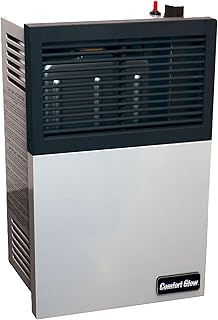
Features: 11,000 BTU vented heater with thermostatic heat control heats up to 350 sq ft. Sealed burn system includes electronic ignition and safety pilot with built-in pressure regulator to stop gas flow if the pilot goes out. Space-saving wall-mount design with dimensions 20 H x 17 W x 7 D. Best for compact living spaces where wall installation is preferred and energy efficiency matters.
Who it’s best for: small apartments, studios, or rooms where wall mounting frees floor space. Why selected: strong balance of safety, vented operation, and a compact footprint. Caution: ensure proper venting and clearance per installation instructions.
Ashley Hearth Direct Vent 11,000 BTU Wall Heater

Features: 11,000 BTU direct vent wall heater designed for indoor use with a matchless piezo lighting system and built-in regulator. Heats up to 375 sq ft and uses a sealed burn system for clean operation. Best for bedrooms or living spaces requiring steady, quiet warmth with reliable ignition.
Who it’s best for: bedrooms and living rooms where quiet operation is valued. Why selected: strong safety features and direct vent design help maintain air quality. Caution: only for liquid propane use as specified.
Mr. Heater 30,000 BTU Vent Free Blue Flame

Features: 30,000 BTU per hour, heats up to 1,000 sq ft. Battery-operated electronic spark ignition. Vent-free operation and no electricity required for operation. Best for larger spaces or open floor plans where high heat output is needed without external venting.
Who it’s best for: large living areas or semi-outdoor spaces transitioning to indoor use. Why selected: high BTU output on a vent-free model. Caution: vent-free units can impact indoor oxygen levels; proper room sizing is essential.
Ashley Hearth Direct Vent 17,000 BTU Wall Heater

Features: 17,000 BTU direct vent heater heats up to 570 sq ft. It includes a safety pilot, built-in regulator, and a sealed burn system for reliable indoor warmth. The quiet stainless steel burner enables silent on/off operation for peaceful living spaces.
Who it’s best for: medium to large rooms needing robust, steady heat. Why selected: higher BTU with efficient venting and safety features. Caution: ensure proper venting and clearance requirements are met during installation.
ProCom 30,000 BTU Ventless ML300HBA
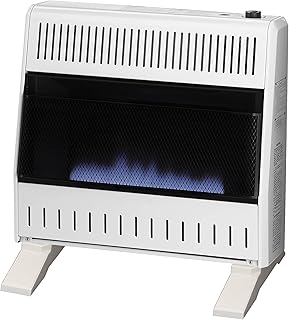
Features: 30,000 BTU maximum, runs on propane only, heats up to 1,400 sq ft. Push-button piezo ignition and manual control with three heat settings. Includes oxygen depletion sensor with automatic shut-off. Best for larger spaces where venting is not available.
Who it’s best for: spaces without venting options or portable heating needs. Why selected: high BTU on a ventless model with safety features. Caution: ventless operation may affect air quality; ensure adequate ventilation in occupied spaces.
Buying Guide: Key Considerations For Vented Propane Space Heaters
- Ventilation and room size: Match BTU output to the space. Smaller rooms benefit from 11,000–17,000 BTU units; larger rooms may require 30,000 BTU or ventless models with caution.
- Direct vent vs vent-free: Direct vent systems expel combustion byproducts outside, preserving indoor air quality. Vent-free units do not exhaust outside and require adequate room ventilation.
- Safety features: Look for safety pilots, built-in regulators, sealed burn systems, and oxygen depletion sensors to reduce risk in enclosed areas.
- Ignition and controls: Electronic ignition is convenient; piezo ignition offers simple reliability. Consider models with adjustable heat settings for control over energy use.
- Installation and clearance: Wall-mounted or freestanding designs require space around the unit. Verify clearance from furniture, walls, and combustibles per manufacturer specs.
- Fuel efficiency and maintenance: Sealed burn systems and quality burners improve efficiency and reduce maintenance needs. Regular inspection of venting paths is important.
- Indoor air quality: If sensitivity to combustion byproducts exists, prioritize direct vent or vented models with proper exhaust routing.
FAQ
- What is a vented propane space heater?
Answer: A heater that burns propane and exhausts combustion byproducts outside through a vent or chimney, helping maintain indoor air quality. - Which heater is best for small rooms?
Answer: A smaller BTU unit (around 11,000–17,000 BTU) with direct vent and a compact footprint is typically best for small rooms. - Do vented propane heaters require electricity?
Answer: Some models use electronic ignition and require electricity; others may operate with Piezo ignition or manual systems. - Can vented propane heaters be used in bedrooms?
Answer: Yes, but ensure proper venting, clearance, and carbon monoxide safety considerations. Follow manufacturer guidelines. - Are vent-free heaters safe for long-term use?
Answer: Vent-free units can be safe with proper room ventilation and CO monitoring but are generally best for well-ventilated spaces. - How do I choose the right BTU for a room?
Answer: Measure room size (feet) and multiply length × width × height factor; select BTU accordingly and consider insulation quality.