Answer: Vinyl baseboard heater covers offer a simple, tool-free way to upgrade the look and safety of hot-water or hydronic baseboards. They’re ideal for homeowners seeking quick, low-cost improvements and for renters wanting non-permanent modifications. This guide highlights five vinyl-friendly options that balance installation ease, durability, and fit across common baseboard sizes. The top picks are best for small to medium rooms, busy households with kids or pets, and DIY enthusiasts looking for fast, clean aesthetics without professional help.
| Product | Length | Best For |
|---|---|---|
| NeatHeat 6ft Baseboard Front Cover | 6 ft | Standard homes, quick upgrade |
| NeatHeat 4ft Baseboard Front Cover | 4 ft | Compact spaces, targeted upgrades |
| *TALL* NeatHeat Tall 6ft Cover | 6 ft | Oversized baseboards |
| Baseboarders Basic Series 6 ft | 6 ft | Durable, rust-resistant steel option |
| SDSNTE 6ft Easy Slip-On Cover | 6 ft | DIY-friendly, quick swap |
NeatHeat 6ft Baseboard Front Cover
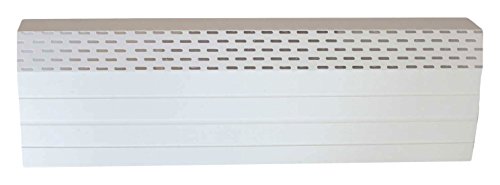
Best for standard baseboard radiators in living rooms or bedrooms, this cover installs without special tools and can be cut with common household tools. It fits over many common baseboard brands, making it a versatile choice for mixed homes. The simple slip-on design reduces installation time and retains heat flow, avoiding full customization or demolition.
Who it’s best for: homeowners needing a fast, inexpensive update to existing baseboards without professional help. Why selected: wide compatibility and straightforward installation. Caution: verify measurements to ensure a proper fit over taller backplates or unusual profiles.
NeatHeat 4ft Baseboard Front Cover

Best for smaller rooms or specific wall sections, this 4-foot version provides a slim, easy upgrade with similar tool-free installation. It’s designed to fit over most baseboard heaters, but measuring guidance is advised before purchase to ensure a snug fit across different brands.
Who it’s best for: rooms with shorter baseboard runs or limited installation space. Why selected: compact size combined with easy DIY setup. Caution: follow the measuring guide to avoid a loose fit or overhang on adjacent walls.
*TALL* NeatHeat Tall 6ft Baseboard Heat Cover
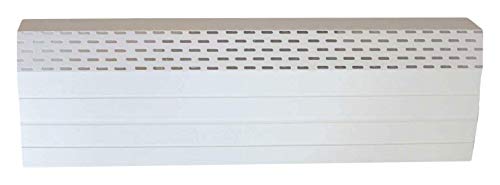
Best for oversized baseboard heaters, this tall version is designed to fit higher output profiles. It shares the easy installation of the standard NeatHeat covers but emphasizes compatibility with taller backplates. It’s ideal for rooms with higher ceilings or unusually tall radiators.
Who it’s best for: homes with high-output or oversized baseboard units. Why selected: tailored for tall profiles while maintaining tool-free install. Caution: confirm fit using the measuring guide to avoid overhang or misalignment with endcaps.
Baseboarders Basic Series 6 ft

Best for long-term durability and a clean, built-in look, this 6-foot galvanized steel cover is rust-resistant and designed to withstand heat exposure. It does not require tools to install, using a slip-on method with endcaps for a secure fit over existing backplates. It preserves heat flow and adds a premium appearance to hydronic systems.
Who it’s best for: homeowners desiring a steel, rust-resistant solution with a lifetime protection mentality. Why selected: robust construction and easy slip-on installation. Caution: heavier material requires careful handling during installation, especially in upper wall sections.
6ft Steel Easy Slip-On Baseboard Heater Cover

Best for users who want a strong, durable steel option with quick replacement. This 6-foot cover fits most standard baseboard heaters and includes end caps for a clean finish. It emphasizes safety by maintaining airflow and minimizing direct contact with heating elements.
Who it’s best for: households prioritizing safety, durability, and straightforward installation. Why selected: steel construction provides long-term resilience. Caution: check height and width specifications to confirm fit on compact or unusually shaped bases.
Buying Guide
- Fit and compatibility: Measure baseboard length, height, depth, and backplate dimensions. Choose a cover that can slip over or attach without obstructing vents or end caps.
- Material choice: Vinyl-like covers are lightweight and easy to cut; galvanized steel offers durability and rust resistance; consider environment and heat exposure when selecting materials.
- Installation: Look for tool-free slip-on designs with end caps for a seamless finish. Some taller or oversized models require measuring guides to ensure a proper fit.
- Heat flow and safety: Ensure the cover does not block airflow or trap heat. Choose single-panel or slotted designs that preserve efficient heating distribution.
- Aesthetics and maintenance: White or neutral finishes blend with most decors. Materials that wipe clean easily reduce maintenance time, especially in kitchens and bathrooms.
- Durability and warranty: Rust resistance, thickness (metal gauges), and edge construction affect longevity. A rust-protection guarantee or lifetime warranty signals durable design.
FAQ
- Do vinyl baseboard covers affect heating efficiency? They can, but well-designed covers maintain airflow and minimize heat loss when properly fitted.
- Can I install these covers without tools? Many options advertise tool-free slip-on installation, but always verify measurements and backplate compatibility.
- Are tall or oversized covers necessary for all homes? No. Use standard sizes for typical baseboards; reserve tall versions for higher output or unusually tall units.
- Can I cut covers to fit irregular spaces? Some vinyl and aluminum covers are easily cut with household tools; check product notes for cut guidelines.
- What should I do if my cover doesn’t align with end caps? Recheck measurements and ensure backplates and end caps are compatible with the chosen model.
- Is rust resistance important for bathroom installations? Yes, moisture-rich environments benefit from rust-resistant materials to extend lifespan.