The best waste vegetable oil heating setup depends on whether you need a burner, a larger furnace, or equipment to clean used oil before use. The 12V waste-oil burner is aimed at compact work areas, while the 15 kW burner and 58–116 kW furnace burner target different heating scales. The centrifuge is a fuel-preparation tool, not a heater. The outdoor cooking burner is a different-use option, so check its fuel instructions carefully before considering it for vegetable oil.
| Product | Best suited for | Key listed detail |
|---|---|---|
| 12V Waste Oil Burner Heater | Small work areas and low-voltage setups | Lists vegetable oil among suitable fuels |
| 15 kW Waste Oil Burner | Garages, workshops, and similar facilities | Designed for wood-stove use |
| 220V Air-Atomizing Burner | Higher-output heating applications | 58–116 kW output; 11–22 lb/hour fuel use |
| Waste Oil Centrifuge RPC101 | Cleaning used oil before fuel use | Processes up to 25 gallons per hour |
| AC 110V–220V Outdoor Burner | Outdoor cooking applications | Cast-iron burner head and heavy-duty metal body |
12V Waste Oil Burner Heater

This compact burner is best for buyers looking for a waste-oil heating option for a workshop, garage, shed, farm space, or maintenance area. Its listed 12V design may suit a low-voltage power setup, but the product information does not specify heating output or the full installation requirements.
The fuel description lists waste engine oil, hydraulic oil, vegetable oil, and other suitable non-volatile oils. It explicitly excludes gasoline, alcohol, highly flammable liquids, and explosive fuels. That makes it one of the more directly relevant choices here for someone seeking a burner that lists vegetable oil as a possible fuel.
- Best for: Small work areas and users who need a 12V burner format.
- Why it was selected: Its stated applications include common workshop spaces, and its fuel description specifically mentions vegetable oil.
- Limitation: No heat-output figure or detailed installation specifications are provided in the listed features. Confirm suitability for the intended space and fuel before purchase.
15 kW Waste Oil Burner for Wood Stoves
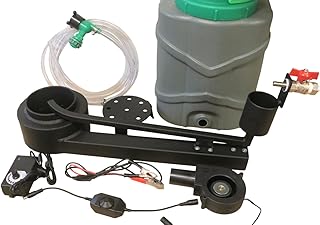
This 15 kW burner is best for buyers considering a waste-oil burner for a wood stove or a heating application such as a garage, workshop, warehouse, service station, or manufacturing facility. The listed output provides a useful reference when comparing it with larger burner equipment, but the product description does not establish that it fits every wood stove or heating system.
The manufacturer describes the unit as individually hand-assembled and highlights high heat output, durable materials, and intended ease of installation and maintenance. Those are product claims rather than independent performance measurements. Buyers should verify the appliance dimensions, fuel requirements, and installation details for their own setup.
- Best for: Buyers seeking a 15 kW burner for a workshop or similar facility.
- Why it was selected: It gives a stated output and names several practical heating settings.
- Limitation: The listed features do not specify which waste oils are supported or provide detailed connection and installation requirements.
220V Air-Atomizing Waste Oil Burner

This burner is best for buyers comparing higher-output equipment. Its listed output range is 58–116 kW, and its stated fuel consumption is 11–22 pounds per hour, or 5–10 kilograms per hour. The product description also specifies 220V, single-phase power and one-stage control.
Other listed details include automatic ignition using a high-pressure igniter, a preheater rated at 0.3 kW, an adaptable pressure range of 0.4–0.8 MPa, and a suitable ambient temperature range of -15 to 60 degrees Celsius. The description refers to diesel and vegetable oil, but buyers should confirm the exact acceptable fuel condition and system requirements before choosing it.
- Best for: Buyers who need a burner with a stated high output and fuel-consumption range.
- Why it was selected: Its specifications make it easier to compare with equipment intended for larger heating loads.
- Limitation: It requires 220V power, and the listing’s technical ranges should be checked against the intended installation.
Waste Oil Centrifuge RPC101

The RPC101 is best for buyers who need to process used oil before considering it as fuel. It is not a heater or burner. The listed purpose is to remove dirt and water from waste oils, including vegetable oil, and the stated processing rate is up to 25 gallons per hour.
The product description says the centrifuge can be used to prepare waste vegetable oil for alternative-fuel use in diesel engines or furnaces. It also lists motor oil, hydraulic oil, and machining fluids among the fluids it can process. A centrifuge may be relevant when fuel cleanliness is part of the buyer’s setup, but the listing does not guarantee that every processed fluid will meet a particular burner’s fuel requirements.
- Best for: Buyers who already have a compatible fuel-use plan and want equipment for removing particles and water.
- Why it was selected: It directly addresses waste vegetable oil processing and gives a throughput figure.
- Limitation: It does not provide heat; a separate compatible heating appliance is required.
AC 110V–220V Outdoor Oil Burner

This product is described as an outdoor cooking burner for cooking at outdoor gatherings and group events. Its listed construction includes a sturdy frame, cast-iron burner head, heavy-duty metal body, and high-temperature protective coating. It is not presented as a space heater, and its features do not clearly identify waste vegetable oil as an approved fuel.
For buyers searching specifically for a waste vegetable oil heater, this is a lower-priority option. It may be relevant only if the intended use is outdoor cooking and the seller confirms that the proposed fuel is suitable. Do not assume that a cooking burner can be used as a room heater or that it accepts any waste oil.
- Best for: Buyers seeking an outdoor cooking burner, subject to fuel confirmation.
- Why it was selected: It is listed as an oil burner and provides construction details relevant to outdoor cooking use.
- Limitation: The features do not establish vegetable-oil compatibility or suitability for space heating.
Buying Guide: Choosing a Waste Vegetable Oil Heater
What kind of equipment do you actually need?
First decide whether you need a complete heating appliance, a burner component, or equipment to prepare used oil. A heater or furnace burner produces heat when installed in an appropriate system. A centrifuge processes oil but does not heat a space. An outdoor cooking burner serves a different purpose and should not be treated as a room heater.
Product descriptions can use terms such as “burner,” “furnace,” and “heater” differently. Confirm what is included, whether the item is a complete appliance or a component, and what else is required for operation. The listed features do not provide complete installation instructions for every product in this comparison.
Which fuel types are explicitly listed?
Do not assume that all waste-oil burners accept the same fuels. The 12V burner lists vegetable oil, waste engine oil, and hydraulic oil, while the 220V burner description refers to diesel and vegetable oil. The 15 kW product’s supplied features do not specify supported oil types. The outdoor cooking burner’s features do not clearly state vegetable-oil compatibility.
Before buying, confirm the acceptable fuel types and any limits on fuel condition with the seller or manufacturer. Avoid fuels the product description excludes. The 12V burner specifically says not to use gasoline, alcohol, highly flammable liquids, or explosive fuels.
How much heat output do you need?
Compare stated output with the size and heating demand of the intended space, rather than selecting a burner based only on its fuel type. The 15 kW model and the 58–116 kW burner provide output figures, while the 12V burner does not list one in the supplied features. These figures alone do not establish that a product is suitable for a specific building or appliance.
Check the full product specifications for installation dimensions, required connections, ventilation needs, and other system requirements. Do not assume that a burner designed for a wood stove will fit a particular stove without confirmation.
Does the electrical supply match the product?
The 12V model is described for low-voltage setups. The larger air-atomizing burner specifies 220V, single-phase power. Confirm that the available supply matches the product requirements before ordering. The outdoor cooking burner’s name mentions AC 110V–220V, but the supplied features do not explain its electrical requirements or how power is used.
For mobile or remote locations, check the actual power source and operating requirements rather than relying on a product name alone. A stated voltage does not provide all the information needed to plan a safe installation.
Should used oil be cleaned before use?
The RPC101 is intended to remove dirt and water and lists processing up to 25 gallons per hour. It may suit buyers who need an oil-cleaning step, but processing capacity does not prove that cleaned oil will meet the requirements of a specific burner. Ask the heater manufacturer what fuel condition it requires and whether additional preparation is needed.
Keep fuel handling and storage in mind when evaluating a waste-oil setup. The provided product features do not supply a complete procedure for collecting, filtering, storing, or burning used oil.
What limitations should buyers compare?
- Check whether the product is a complete heater, a burner intended for another appliance, or an oil-processing machine.
- Look for a stated heat output, fuel-consumption rate, voltage, and supported fuel types.
- Confirm installation requirements and suitability for the intended space before purchase.
- Do not treat an outdoor cooking burner as a space heater unless its documentation explicitly supports that use.
Frequently Asked Questions
Can waste vegetable oil be used in every waste-oil heater?
No. Fuel compatibility varies by product. Check the specific product documentation and confirm that the intended oil and its condition are accepted.
Which product in this list explicitly mentions vegetable oil?
The 12V burner lists vegetable oil among suitable fuels. The 220V air-atomizing burner description also refers to vegetable oil. Verify fuel requirements with the seller before use.
Does the RPC101 centrifuge heat a workshop?
No. It is a waste-oil processing machine described for removing dirt and water. It does not produce heat.
What is the difference between the 15 kW and 58–116 kW options?
The 15 kW product lists a single output figure and is described for wood stoves and facility heating. The other burner lists a 58–116 kW output range and specifies 220V single-phase power. Their installation and fuel requirements should be compared before choosing either.
Is the outdoor burner a waste vegetable oil space heater?
The supplied features describe it as an outdoor cooking burner and do not clearly confirm vegetable-oil compatibility or space-heating use. Confirm the intended use and acceptable fuel before considering it.
What should I confirm before buying a waste-oil burner?
Confirm the supported fuel types, heat output, electrical requirements, installation details, and whether the product is a complete heater or only a burner component. Also check that the appliance suits the intended space and fuel-preparation setup.