Answering the need to prevent air locks and improve water heater and irrigation system performance, these air release valves are designed to vent entrapped air automatically. The best options fit residential hot water systems, commercial tanks, and irrigation setups. This guide highlights five reliable choices and explains who should buy each. Use the brief product table to compare core details at a glance.
| Product | Best For | Key Benefit | Connection |
|---|---|---|---|
| Threlaco 2 Pack Air Release Valve | Irrigation and drainage DIYers | Automatic air release and intake | 3/4″ NPT |
| NBPLUS Vacuum Relief Valve | Brass fixtures and tanks | Durable brass, high pressure tolerance | 1/2″ thread |
| Eastman Vacuum Relief Valve | Most standard water heaters | Prevents vacuum, versatile fit | 1/2″ MIP |
| DERPIPE Automatic Air Vent Valve (1/2″ NPT) | Heaters and boilers with stainless venting | Stainless steel with easy maintenance | 1/2″ NPT |
| Gisafai 4 Pack Automatic Float Valves | Multi-unit installations | 4-pack value with universal NPT | 1/2″ NPT |
The following sections present concise, comparison-ready details for each product. Each entry notes the best-use scenario, why it was selected, and a practical limitation when relevant. The aim is to help buyers choose quickly based on material, compatibility, and installation needs.
Threlaco Air Release Valve 2 Pack

Best for: irrigation systems and DIY drainage projects. This 3/4 inch air release valve is built from corrosion-resistant PP for longevity in outdoor settings. It provides automatic air release and intake to prevent air locks and improve flow. The NPT threading supports easy integration with existing lines, making it a go-to for DIY irrigation upgrades.
Why selected: Durable material and automatic air management address common irrigation inefficiencies. The compact design fits tight spaces and standard piping. The two-pack option lets you outfit multiple points or keep spares on hand for maintenance schedules.
Caution: The valve relies on proper NPT fitment; verify thread compatibility with your piping to avoid leaks. If placed in extremely acidic or harsh chemical environments, consider alternative materials.
NBPLUS Vacuum Relief Valve 1/2 Inch

Best for: brass fixtures and storage tanks with high pressure. This 1/2 inch brass vacuum relief valve emphasizes durability in harsh environments, suitable for water heaters and tanks. It balances ease of installation with robust leakage resistance, thanks to plated brass construction.
Why selected: Brass offers corrosion resistance and longer service life under cyclic vacuum, common in water storage scenarios. The valve’s 200 psi working pressure supports typical residential systems while maintaining a compact form factor.
Caution: Ensure compatibility with your tank’s thread standard and confirm that the maximum pressure is not exceeded in appliances with higher operating pressures.
Eastman Vacuum Relief Valve
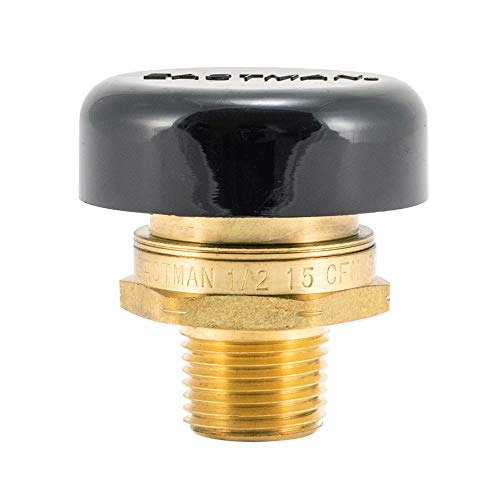
Best for: standard water heater installations. This 1/2 inch MIP valve is designed to admit air and prevent harmful vacuum conditions that could siphon water or damage equipment.
Why selected: Its simple connectivity and universal fit make it a practical drop-in for most residential tanks. The valve’s vacuum relief function protects against tank collapse and ensures consistent intake when needed.
Caution: Check pipe threading and ensure a proper seal to avoid slow leaks. It may require a sealing compound or gasket compatible with your plumbing system.
DERPIPE Automatic Air Vent Valve 3/4″ NPT

Best for: heating systems with higher volume air vent requirements. This stainless steel 304 vent valve vents excess air automatically while preventing water discharge, and it is designed for easy disassembly for maintenance.
Why selected: Stainless steel offers longevity and rust resistance in hot water and boiler environments. The valve’s precision components and O-ring sealing reduce the risk of leaks, making it a reliable choice in robust setups.
Caution: For very compact spaces, confirm that the valve diameter and mounting clearances fit your panel or enclosure. Maintenance requires careful reassembly to maintain a seal.
Gisafai 4 Pack Automatic Float Valve

Best for: multi-unit installations and replacements across several lines or radiators. This 4-pack provides a cost-effective option with a universal 1/2 inch male NPT thread connector.
Why selected: The water-separating diaphragm and design prevent water leakage while enabling precise air release, helping maintain heat efficiency and stable flow across multiple units.
Caution: The pack assumes uniform system pressure. If installing on higher pressure lines or complex HVAC loops, verify that all valves can handle the combined load.
Buying Guide
What material should I choose?
Stainless steel (304) is preferred for high-heat, corrosion-prone environments. Brass offers excellent durability in tanks and fittings. PP is common for irrigation-ready, cost-conscious installations but may be less heat resistant.
What sizing is right?
Most residential and irrigation uses rely on 1/2″ or 3/4″ NPT/MIP threads. Verify existing piping and matching thread types to avoid adapters that introduce leaks or pressure drops.
What features matter for maintenance?
Look for valves with easy disassembly, reliable O-rings, and seals. A vent valve that can be taken apart simplifies periodic maintenance and reduces the risk of leaks after servicing.
How to decide between vacuum vs air release?
Vacuum relief valves prevent siphoning and tank collapse by admitting air when the system pressure drops. Air release valves vent trapped air to prevent air locks and improve circulation. For combined systems, both functions may be needed at different points.
Where should I install these valves?
Place vacuum relief valves near storage tanks or heater intakes where vacuum risk is highest. Install air release valves on sections prone to air pockets, especially near pumps, radiators, or long horizontal runs.
FAQs
- Do I need more than one valve? For complex systems with multiple tanks or long irrigation runs, using multiple valves improves air management and reduces buildup risk.
- Will these leak after installation? Proper threading and sealing methods minimize leaks. Use compatible sealants or gaskets as recommended for the specific valve material.
- Are brass valves better than plastic? Brass offers higher durability in many environments; plastic (PP) may be sufficient in low-stress, outdoor irrigation contexts.
- Can I install these myself? Yes, most valve installations are DIY-friendly with standard pipe threads. Ensure correct thread size and follow manufacturer directions.
- How do I know if a valve is failing? Look for slow leaks, persistent air pockets, or inconsistent venting after installation. Routine maintenance helps catch seal deterioration early.