Answer: A water heater catch pan is essential for preventing floor damage from leaks and overflow. This guide highlights five reliable options and who each is best for, including fit, durability, and ease of installation. Ideal buyers include homeowners replacing or upgrading an in-cabinet or utility-room water heater, contractors seeking durable pans, and renters needing temporary protection with low maintenance.
| Product | Best For | Key Benefit |
|---|---|---|
| 24″ Inner Diameter Pan (Tool Center) | Electric or gas heaters with a larger footprint | Includes drainage fittings |
| Oatey 34063 24″ Pan | Durable, flexible plastic choice | PVC adapter included |
| 34061 Oatey 20″ Pan | Smaller spaces, easy under-floor clearance | 1″ to 1-1/2″ adapter |
| Everflow AWHP28 | Max protection against floods | PVC fitting included; pre-cut side opening |
| Camco 22″ Electric Pan | Budget-friendly, pre-cut spout included | Rust-resistant polypropylene |
24″ Inner Diameter 26″ Outer Diameter Black Plastic Water Heater Drain Pan with Fittings

Best for: Large electric or gas water heaters with a broad footprint. Why selected: This pan offers a wide inner diameter with a sturdy black plastic build and includes drainage fittings for straightforward overflow management, reducing floor damage risk. Limitation: Dimensions are fixed; verify your heater’s width fits within the 24″ inner diameter.
Oatey 34063 24 in. Plastic Hot Water Heater Pan
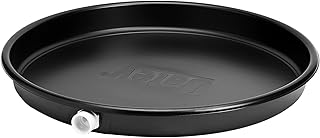
Best for: Homeowners needing a durable, rust-free option with a ready-made adapter. Why selected: Semi-flexible, durable 0.0625-inch plastic resists corrosion and includes a 1 to 1.5 inch PVC adapter. Caution: Ensure compatibility with existing drainage piping when selecting the adapter size.
34061 Oatey 20 In. Dia. Plastic Water Heater Drain Pan
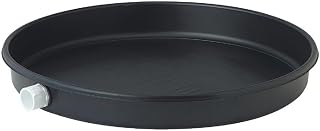
Best for: Compact spaces or smaller electric water heaters. Why selected: A 20-inch diameter pan provides effective protection without crowding limited utility areas; includes a 1″ to 1-1/2″ PVC adaptor. Limitation: Smaller footprint may not fit larger heater bases.
Everflow AWHP28 Aluminum Water Heater Drain Pan

Best for: Homes needing robust protection with a durable aluminum pan. Why selected: Aluminum pan with 1 to 1-1/2 inch PVC fitting, and a pre-cut side opening for easy fitment of the drain hose. Caution: Aluminum may be less flexible in very tight spaces compared to plastic options.
Camco Electric Water Heater Drain Pan

Best for: Budget-conscious buyers needing a simple, proven pan. Why selected: Made of flexible polypropylene with a 22-inch diameter and 2-1/2-inch depth, includes a 1 to 1-1/2 inch PVC drain fitting. Limitation: Slightly smaller diameter than some high-capacity units, which may affect larger heaters.
Buying Guide
What to consider when choosing a water heater catch pan
- Pan diameter and depth: Ensure the pan footprint matches or exceeds your heater base and the depth accommodates expected water buildup.
- Material: Plastic pans resist rust and are lightweight; aluminum pans offer durability in tougher environments; select based on space and corrosion risk.
- Drain fittings: Look for supplied fittings or adapters that match your drainage system’s pipe size (commonly 1″ to 1-1/2″).
- Installation space: Check side openings or pre-cut features for easy hose routing, especially in tight utility closets.
- Maintenance: Consider pans with smooth interiors and drainage covers to minimize clogs and simplify cleaning.
- Compatibility: Confirm compatibility with electric or gas water heaters, and verify clearance around valves and exhausts.
Frequently Asked Questions
- Why do I need a water heater catch pan? It helps prevent floor damage from leaks, condensation, or overflow during maintenance or failures.
- What size should I choose? Measure the heater’s base diameter and consider 1–2 inches of extra room for drainage fittings and clearance.
- Are metal pans better than plastic? Metal pans (such as aluminum) offer durability; plastic pans are typically lighter and corrosion-resistant for most homes.
- Do all catch pans include drain fittings? Many do, but always verify included adapters and compatibility with your drainage system.
- Can I install a catch pan under an existing heater? Yes, provided there is a flat, level surface and appropriate clearance for the drain outlet and venting if needed.
- Is there a maintenance schedule for catch pans? Check for debris, ensure the drain line remains open, and inspect for signs of staining or cracking annually.