Answering the search for whole house propane heating, these options cover main living areas, basements, and workshops. They’re best for homes needing zone-based warmth, off-grid convenience, or emergency backup heat. The top picks below suit different spaces—from compact apartments to larger living areas—while focusing on safe operation, ease of use, and installation flexibility. The table highlights each product’s key role to help you compare quickly.
| Product | Best For | Approximate Coverage |
|---|---|---|
| Mr. Heater 30,000 BTU Vent Free Radiant Propane Heater | Medium-to-large rooms, open floor plans | up to 1,000 sq. ft. |
| ProCom ML250TPA-B Infrared Plaque Heater | Open living spaces or office areas | up to 1,150 sq. ft. |
| Mr. Heater 9,000 BTU Portable Buddy | Small rooms, as a supplemental heat source | up to ~225 sq. ft. |
| Gasland 18,000 BTU Radiant Heater | Garages, workshops, construction spaces | up to 450 sq. ft. |
| Tankless Water Heater Propane Indoor (Whole Home) | Whole-house hot water supply | Multiple points |
Mr. Heater 30,000 BTU Vent Free Radiant Propane Heater

Features: 30,000 BTU/HR; Heats up to 1,000 sq. ft.; Battery operated electronic ignition (battery included).
Best for: Medium-to-large rooms where vent-free operation is preferred. This model is a solid choice for living rooms or open-plan spaces seeking fast, radiant warmth without a chimney or vent installation.
Why selected: High BTU output paired with vent-free design makes it a strong all-around heater for home living areas that require quick, even warmth. The battery ignition adds reliability during power outages when paired with a generator or inverter.
Caution: Vent-free heaters add moisture to indoor air; ensure proper room size, air quality, and carbon monoxide safety measures with detectors and adequate clearance.
ProCom ML250TPA-B Infrared Propane Plaque Heater

Features: 25,000 BTU; heats up to 1,150 sq. ft.; thermostat control with High/Medium/Low; wall-mountable or floor placement with base feet included.
Best for: Smaller living rooms, apartments, or home offices needing discreet wall-mounted heat with easy temperature control.
Why selected: Slim, modern profile fits tighter spaces without sacrificing comfort. The included base feet offer flexible placement for rooms lacking wall outlets or mounting surfaces.
Caution: Surface heat may be intense; keep flammable materials away and use proper clearance around the heater as indicated by the manual.
Mr. Heater 9,000 BTU Portable Buddy Radiant Propane Heater

Features: 4,000 or 9,000 BTU/hr radiant heat; indoor and outdoor use; heats up to about 225 sq. ft.
Best for: Portable supplemental heat for small rooms, cabins, or as a back-up heat source during cold snaps.
Why selected: Portability and dual-heat settings offer flexibility for temporary spaces and seasonal use. This is a practical choice when you need mobility or seasonal room heating.
Caution: Suitable for well-ventilated spaces; do not use in unventilated rooms for extended periods without proper air exchange.
Gasland MHA18BN Propane Radiant Heater
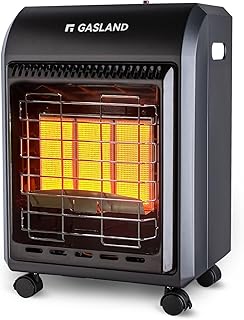
Features: 18,000 BTU; warms up to 450 sq. ft.; portable LP heater with regulator hose for flexible use.
Best for: Garages, workshops, and construction sites needing reliable radiant heat in larger, drafty spaces.
Why selected: Higher BTU for larger spaces combined with portability makes it a practical workshop heater. It is suitable where a hard connection or venting is not feasible.
Caution: This heater is loud relative to small room units; ensure proper ventilation and clearance for long operation.
Tankless Water Heater Propane Indoor

Note: This section references a propane tankless water heater designed for indoor use. It covers whole-house water needs rather than space heating alone and should be evaluated for venting, installation requirements, and regional code compliance before purchase.
Buying Guide
What to consider when choosing a whole house propane heater
Room size and heating load determine BTU needs. Ventless options offer easier installation but add moisture; vented models may be safer in very large or damp spaces. Safety detectors for CO and proper ventilation are essential for all propane heaters.
Installation and placement
Consider space clearance, ceiling height, and whether you need wall mounting, floor placement, or portable options. For open floor plans, higher BTU units can heat more evenly, while smaller rooms benefit from compact, adjustable models.
Fuel and efficiency
Propane availability, regulator quality, and efficiency ratings influence ongoing costs. Infrared or radiant plaques provide targeted warmth, while larger BTU units deliver rapid heat across rooms.
Maintenance and safety
Regular inspections, venting checks (if applicable), and CO detectors improve long-term safety. Follow manufacturer guidelines for ignition systems, air supply, and clearance requirements.
Choosing by use-case
- Home living areas: prioritize models with steady heat output and safety features.
- Workshops and garages: look for portable or rugged units with high BTU and durable construction.
- Backup heating: consider portable buddy heaters for flexibility during outages.
FAQ
- Do ventless propane heaters require ventilation? Yes, even vent-free units need adequate air exchange and CO detectors for safety.
- What space will a 30,000 BTU heater typically cover? Approximately up to 1,000 sq. ft., depending on insulation and layout.
- Can I install a propane heater myself? Some models are designed for DIY installation, but consult a licensed professional for gas line and venting work.
- Should I choose portable or installed units? Portable units offer flexibility; installed wall-mounted or floor units provide permanent heating coverage and efficiency.
- What maintenance is required? Regular inspections, cleaning, and ensuring proper venting or air flow as recommended by the manufacturer.