The best wood stove temperature alarm depends on where you need to measure heat: inside a double-wall flue, on a single-wall pipe, or on a stove or pipe surface. AUBER’s alarm-equipped models offer different sensor styles for those locations, while its wireless model adds a remote display. For a simple visual reference without a listed alarm, the Midwest Hearth pipe thermometer is a straightforward alternative. Check the sensor type, temperature limit, cable length, and installation requirements before choosing.
| Product | Best for | Sensor or placement |
|---|---|---|
| AUBER TC-K-BR | Double-wall pipe monitoring | 4-inch probe with bracket |
| AUBER TC-K-WS | Single-wall sensor setup | Washer-style sensor |
| AUBER TC-K-MAG | Surface temperature monitoring with alarm | Magnetic probe |
| AUBER Wireless Thermometer | Remote temperature display | Magnetic probe and remote unit |
| Midwest Hearth Pipe Thermometer | Simple visual flue-temperature checks | Magnetic, single-wall pipe placement |
AUBER TC-K-BR Double-Wall Pipe Alarm Thermometer
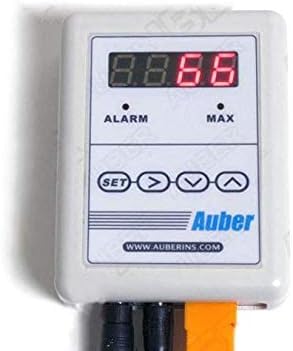
This AUBER model is best for buyers who need to monitor a stove pipe or chimney with a double-wall sensor arrangement. It is listed as a thermometer for stove pipe, chimney, and outdoor wood boilers, and its name identifies it as an alarm-equipped model.
The package includes one 4-inch probe for double-wall pipe, a bracket, and a sensor cable measuring 6 feet. Its listed maximum temperature is 1,650°F. The probe-and-bracket configuration makes this the clearest choice among these products for buyers specifically seeking a double-wall pipe sensor rather than a magnetic surface probe.
- Best for: Double-wall pipe installations that call for the included probe and bracket.
- Why it stands out: Its 1,650°F maximum is higher than the 750°F limit listed for the AUBER magnetic-probe models.
- Consider: Confirm that the probe and bracket suit the intended pipe and installation. The supplied information does not specify alarm settings or sound features.
AUBER TC-K-WS Washer-Sensor Alarm Thermometer
The AUBER TC-K-WS is best for buyers whose setup calls for a washer-style temperature sensor. Like the other AUBER models identified as being “w/Alarm,” it is intended for stove pipe, chimney, or outdoor wood boiler temperature monitoring. Its included sensor differs from the bracketed probe and magnetic surface probe in the other models.
The product includes one washer-style sensor and a 6-foot sensor cable. Its maximum temperature is listed as 1,650°F. Choose this model when the washer sensor is the required form factor; do not assume that its included sensor is interchangeable with a probe or magnet sensor.
- Best for: Buyers who need the washer-style sensor specified for their monitoring location.
- Why it was selected: It provides an alarm-labeled option with a high listed maximum temperature and a distinct sensor design.
- Consider: The supplied details do not explain mounting instructions, alarm thresholds, or alarm volume. Verify those details before purchase.
AUBER TC-K-MAG Magnetic Surface Alarm Thermometer

This AUBER model is best for monitoring a metal surface with a magnetic sensor rather than measuring through a probe-and-bracket arrangement. It is listed for stove pipe, chimney, and outdoor wood boiler use, and the product name specifies an alarm.
The included sensor is a magnet probe for surface temperature, with a 6-foot cable. Its listed maximum is 750°F, which is lower than the 1,650°F maximum given for the two AUBER models with probe or washer sensors. That distinction matters when comparing the stated limits and the intended measurement location.
- Best for: Buyers who want a magnetic surface probe and an alarm-labeled thermometer.
- Why it was selected: It combines the AUBER alarm designation with a magnetic sensor option for surface monitoring.
- Consider: The 750°F maximum is lower than the limits listed for the TC-K-BR and TC-K-WS. Confirm that the measurement range fits the intended application.
AUBER Wireless Thermometer With Remote Display

The AUBER wireless thermometer is best for buyers who want a remote unit to display the sensor’s temperature. The package includes two display units: one thermometer unit and one remote unit. Both can display the temperature from the included sensor, according to the product details.
This model comes with a magnetic probe for surface temperature, a 6-foot sensor cable, and a listed maximum temperature of 750°F. The product name does not specify an alarm, unlike the three AUBER products above. Choose it for the remote-display arrangement, not on the assumption that it provides an alarm.
- Best for: Buyers who value having a second display unit away from the sensor location.
- Why it was selected: It offers a different monitoring arrangement from the alarm-labeled AUBER models, with two units able to display sensor temperature.
- Consider: The supplied information does not state wireless range or identify an alarm feature. Its listed maximum is 750°F.
Midwest Hearth Magnetic Stove Pipe Thermometer

This Midwest Hearth thermometer is best for buyers who want a simple visual temperature reference for single-wall stove pipe rather than an electronic alarm. It is calibrated to read temperature on single-wall chimney flue pipe and attaches magnetically to metal pipe. The product details say the magnet will hold to 800°F.
Its dial has easy-to-read zones intended to help users optimize efficiency, avoid overheating, and minimize creosote. These are visual guidance features, not a listed electronic warning system. Choose it if a direct-reading pipe thermometer meets the need; choose an AUBER alarm-labeled model if an alarm is a priority.
- Best for: Single-wall pipe owners seeking a magnetic, easy-to-read thermometer.
- Why it was selected: It provides a clear non-electronic comparison to the sensor-based AUBER products.
- Consider: The supplied features do not list an alarm or remote display. The product is specified for single-wall pipe, not double-wall pipe.
Buying Guide: How to Choose a Wood Stove Temperature Alarm
Where do you need to measure temperature?
Start by identifying whether you need a flue-pipe reading or a surface reading. The AUBER TC-K-BR includes a 4-inch probe and bracket for double-wall pipe. The TC-K-WS includes a washer-style sensor. The TC-K-MAG and AUBER wireless model include magnetic probes for surface temperature. The Midwest Hearth pipe thermometer is specified for single-wall flue pipe.
These sensor styles are not interchangeable based on the available product details. Match the sensor and mounting style to the intended measurement point. If your stove or chimney has a particular construction, check the product instructions and installation requirements before buying.
Do you need an alarm or a visual thermometer?
If an audible or other alert is central to your purchase, compare the AUBER products whose names explicitly include “w/Alarm.” However, the provided product information does not state alarm thresholds, alert type, or how settings are changed. Verify those specifics in the current product documentation rather than assuming features that are not listed.
The Midwest Hearth thermometer is described as having easy-to-read zones, but its listed features do not include an alarm. It may suit buyers who want a direct visual indication instead of an electronic warning. The AUBER wireless model offers two display units, but its supplied details do not identify it as an alarm model.
How important is the maximum temperature?
Compare the listed temperature limits alongside the sensor type. The AUBER TC-K-BR and TC-K-WS list a 1,650°F maximum, while the magnetic-probe AUBER models list a 750°F maximum. Midwest Hearth states that its pipe thermometer’s magnet will hold to 800°F; that is a stated magnet-holding temperature, not a listed thermometer maximum. Do not treat those different specifications as directly equivalent.
Would a remote display make monitoring easier?
The AUBER wireless model includes a thermometer unit and a remote unit, and both can display the included sensor’s temperature. This makes it the option to consider when a second display is useful. The product information does not provide a wireless range, so check the manufacturer’s details if distance or signal coverage matters.
What cable length and installation details should you check?
The AUBER sensor-based products list a 6-foot cable. Consider whether that length can reach from the sensor location to the display position without routing the cable where it could be damaged. Also verify the required mounting method, pipe construction, sensor placement, and any installation guidance for your specific heating equipment.
How should you compare these products?
- Choose the TC-K-BR when the listed double-wall probe and bracket match the installation.
- Choose the TC-K-WS when a washer-style sensor is needed.
- Choose the TC-K-MAG when a magnetic surface probe and an alarm-labeled product are priorities.
- Choose the AUBER wireless model when two display units are useful; its supplied details do not list an alarm.
- Choose the Midwest Hearth thermometer for a visual reading on single-wall pipe without a listed electronic alarm.
Frequently Asked Questions
Which product is listed for double-wall stove pipe?
The AUBER TC-K-BR includes a 4-inch probe and bracket for double-wall pipe. Confirm that its installation requirements suit your particular setup.
Which AUBER model has the highest listed maximum temperature?
The TC-K-BR and TC-K-WS both list a maximum temperature of 1,650°F. The magnetic-probe AUBER products list a 750°F maximum.
Does the AUBER wireless thermometer include an alarm?
The supplied product details list two display units and a magnetic surface probe, but do not identify an alarm feature. Check the current product documentation if an alarm is required.
Can the Midwest Hearth pipe thermometer monitor double-wall pipe?
Its listed features specify calibration for single-wall stove pipe. The product information does not say that it is intended for double-wall pipe.
What should I verify before buying a wood stove temperature alarm?
Check the sensor style, intended measurement location, pipe type, listed temperature limit, cable length, and alarm details. Confirm installation instructions for your equipment before selecting a model.