When selecting a zinc anode water heater, the primary goal is to prevent tank corrosion and minimize rotten-egg odors from hydrogen sulfide. The right anode rod can extend your water heater’s life, improve water quality, and reduce maintenance. This guide highlights five relevant options, showing who each product serves best and why. Use the buying guide to compare materials, length, connection type, and installation considerations to pick the best fit for your system and budget.
| Product | Best For | Key Benefit | Notes |
|---|---|---|---|
| Tandefio Anode Rod for Hot Water Heater | Homes needing long, flexible fit | Aluminum zinc alloy, about 29″ length with 3/4″ NPT | 1 piece; includes odor and corrosion fighting features |
| Corro-Protec Powered Anode Rod | Tank longevity with automatic protection | 24-hour odor removal; WQA-Certified | Higher-end option; ensures continuous protection |
| Ozek Anode Rod for Hot Water Heater | Tight spaces and long life | 44″ segmented aluminum zinc; flexible design | 3/4″ NPT; fits narrow areas |
| Zinc Anode for Saltwater Pools | Saltwater systems or mixed-use tanks | 3.2 ft wire; sacrificial protection | Designed for pools, not standard residential water heaters |
| Rotten Egg Odor Sulfur Smell Fix Kit | DIYers; quick odor issue resolution | Aluminum zinc anode rod plus removal/installation kit | Includes flexible aircraft connectors |
Tandefio Anode Rod for Hot Water Heater

Product overview: Tandefio’s anode rod uses an aluminum-zinc alloy intended to limit sulfur smells and slow tank corrosion. It measures about 29 inches with a 0.75-inch diameter and a 3/4 inch NPT thread, designed for universal compatibility with standard sleeves. Best for households needing a long, robust rod that fits in tight spaces and delivers extended corrosion protection. The combination of odor control and corrosion resistance makes it a versatile pick for mid-size tanks.
Who this is best for: Homeowners facing persistent rotten-egg odors or frequent sediment buildup who want a ready-to-install, durable solution. Why selected: The rod’s length and universal installation reduce retrofit needs while offering strong sacrificial protection. Limitation: Some older tanks may require sleeve replacement or reconfiguration to accommodate length and NPT fitting.
Key features supporting the choice: robust aluminum-zinc alloy, ~29″ length, 3/4″ NPT, corrosion-fighting properties, odor mitigation benefits. Caution: Verify sleeve diameter and clearance before purchase to ensure compatibility with your unit.
Corro-Protec Powered Anode Rod

Product overview: This powered anode rod aims to provide continuous odor removal and corrosion protection with a WQA certification. It’s positioned as a premium solution for tanks needing consistent protection against sulfur smells and sediment buildup. Best for households seeking a maintenance-free approach that reduces the frequency of manual interventions. Consider this if you want automated protection rather than a single, replaceable rod. Caution: Higher cost relative to passive rods; ensure compatibility with your heater’s control system.
Who this is best for: Homes with hard-to-reach tanks or where odor control is a priority and a powered, automatic approach is desirable. Why selected: The 24-hour odor removal capability and official certification support long-term protection. Limitation: Installation complexity may be higher than standard rods; verify electrical compatibility and professional installation needs.
Ozek Anode Rod for Hot Water Heater
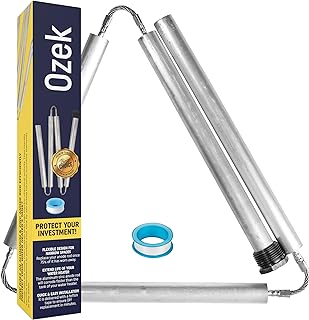
Product overview: Ozek offers a 44-inch segmented aluminum-zinc anode rod designed for flexible installation in tight spaces. The 3/4″ NPT threading fits standard setups, and the segmented design helps with installation in awkward sleeves. Best for larger tanks or installations where traditional straight rods won’t fit. Limitation: The long length may not be compatible with all heater sleeves; measure the interior clearance before buying.
Who this is best for: Homeowners with cramped access behind the heater or unusual sleeve spacing who still want sturdy sacrificial protection. Why selected: The segmented, flexible design improves fit in restricted areas. Caution: Check sleeve diameter and internal clearance to avoid installation issues.
Zinc Anode for Saltwater Pools

Product overview: This zinc anode is designed for saltwater pool environments, providing sacrificial protection with a 3.2-foot wire. It emphasizes leak-proof operation and corrosion resistance in marine or brackish conditions. Best for pool equipment exposed to saltwater rather than standard residential water heaters. Limitation: Not a typical household water heater accessory; suitability depends on your system’s design and electrical grounding.
Who this is best for: Pool owners using saltwater systems or heaters integrated with pool accessories that require corrosion protection in a saline environment. Why selected: Long wire length and dedicated saltwater protection make it a practical option for maintaining pool-related plumbing. Caution: Verify that you are selecting a product intended for water heater use rather than pool-only installations.
Corro-Protec Powered Anode Rod
Product overview: This powered anode rod emphasizes 24-hour odor removal and corrosion control, paired with a WQA certification. It’s positioned as a premium, automated protection system for tanks needing consistent odor management and sediment control. Best for households seeking ongoing protection rather than periodic rod replacements. Limitation: Higher price and potential installation complexity; confirm compatibility with your water heater’s electrical and control setup.
Buying Guide: How to Choose the Right Zinc Anode Rod
- Material and alloy: Aluminum-zinc blends are common for odor control and corrosion resistance. Some options are marketed as “powered” for continuous protection, which may suit high-use households.
- Length and sleeve compatibility: Longer rods fit larger tanks but must fit inside the sleeve. Segmented designs offer flexibility for tight spaces.
- NPT size and threading: Most standard heaters use 3/4″ NPT; verify your unit’s thread size before purchasing.
- Odor control vs. corrosion protection: If rotten-egg smells are the main issue, prioritize products marketed for odor reduction. For tank longevity, focus on corrosion-fighting performance.
- Maintenance and installation: Passive rods require periodic replacement; powered options may reduce maintenance but require compatible electrical connections.
Frequently Asked Questions
- Do I need a zinc anode rod for every water heater? Most residential heaters benefit from an appropriate anode rod. Choose based on tank size, water chemistry, and existing odor or corrosion issues.
- What is the difference between aluminum zinc and magnesium rods? Aluminum-zinc rods typically provide odor control and corrosion resistance, while magnesium rods offer strong cathodic protection but may corrode faster in certain water chemistries.
- Can I install an anode rod myself? Yes, a standard procedure involves turning off power or gas, draining a portion of the tank, removing the old rod, and threading in the new rod. Follow the manufacturer’s instructions.
- How long does an anode rod last? It depends on water chemistry, usage, and rod material. Some rods require yearly replacement; others may last several years, especially powered options with continuous protection.
- Will a zinc rod fix rotten egg odors immediately? Odor reduction typically improves after several weeks of continued use as the sacrificial rod curbs hydrogen sulfide formation in the tank.
- Is a powered anode rod worth it? For high-use homes or salt-heavy water, a powered rod can offer automated protection and reduced maintenance, but it involves more upfront cost and setup.
Summary: The best zinc anode rod for you depends on tank size, access, water chemistry, and maintenance preference. For straightforward, long-term corrosion protection in standard tanks, the Tandefio and Ozek rods offer solid fit and compatibility. If odor control is a priority with automated protection, the Corro-Protec powered rod stands out. For saltwater environments or pool-related systems, the zinc anode for saltwater pools provides targeted protection, while the Rotten Egg Odor Fix kit offers a DIY approach with installation support. Use the buying guide to align product features with your specific setup and needs.