Looking for an electric forced air heater that delivers fast warmth in garages, workshops, or offices? These five models stand out for delivering quick heat, durable construction, and flexible operation. Each option is best for different spaces and uses, from compact workshops to larger garages with permanent or portable needs. Below you’ll find concise comparisons, practical buying notes, and a quick reference table to help choose the right heater for your space and preferences.
Summary table of selected products:
| Product | Best For | Key Feature | Limitations |
|---|---|---|---|
| Dura Heat EUH1465 | Small workshops or garages | 1500W PTC ceramic heating | Best for compact spaces |
| Dura Heat EUH4000R | Larger garages or basements | 12,800 BTU, 240V | Requires proper mounting or portability |
| L.B. White Volt 6 | Industrial spaces or event tents | Ambient thermostat, portable | Heavier and needs space |
| Techni Home Industrial | Garages and workshops | Ceramic heating, adjustable tilt | Basic settings; depends on space |
| DREO 714 | 3D oscillation, multiple settings | Profile and size considerations |
Dura Heat EUH1465 Electric Forced Air Heater

Best for small spaces such as a compact garage or workshop. This model delivers 1500W of PTC ceramic heating for rapid warmth and has a rugged steel body designed to withstand workshop environments. It offers heat and fan-only settings, making it versatile as both a space heater and a hot air circulator. Caution: ensure the heater has adequate clearance from flammable materials and proper ventilation in enclosed areas.
Dura Heat EUH4000R Electric Forced Air Heater

Best for larger spaces where 240V power is available. This unit provides about 12,800 BTU and is suitable for garages, workshops, or basements. It includes a wall/ceiling mounting kit for permanent installation but remains portable for flexible use. It uses a stainless steel heating element for durability. Caution: requires appropriate electrical wiring and professional mounting for safe operation.
L.B. White Volt 6 Electric Forced Air Portable Heater

Best for portable indoor heating with ambient control. This electric heater features a compact footprint with a durable stainless jacketed coil and a sealed motor for quiet operation. It provides ambient thermostat control from 32°F to 100°F, making it suitable for variable indoor environments, including industrial spaces and event setups. Caution: follow safety guidelines to prevent obstruction around the heater and avoid using in damp, wet areas.
Techni Home Industrial Electric Forced Air Heater

Best for garages or workshops needing steady warmth with adjustable control. It uses an efficient ceramic heating element and offers three settings (FAN, LOW, HIGH) for flexible use throughout the year. An adjustable thermostat helps maintain a comfortable temperature and conserve energy. Caution: avoid running at the highest setting for extended periods in poorly ventilated spaces to manage energy use.
DREO Whole Room Heater 714
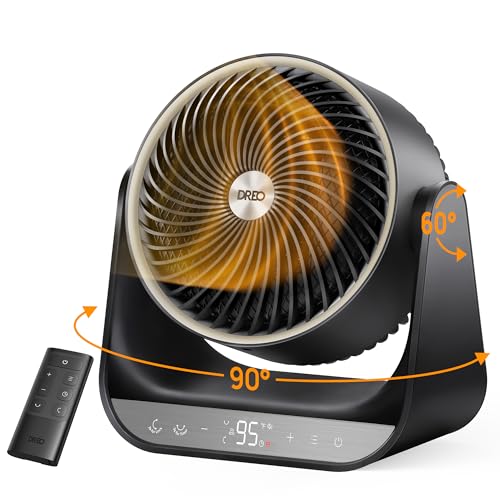
Best for bedrooms, offices, or small living areas needing even warmth. This heater provides 12 ft/s airflow with 60° vertical and 90° horizontal oscillation for broad coverage. It uses 1500W PTC with 2-second warmth boost and 120 CFM airflow. It includes overheat shutoff, tip-over protection, and a flame-retardant housing for safety. Caution: compact design may require closer placement to the seating area for optimal effect.
Buying Guide
What should you consider when choosing an electric forced air heater?
- Space size: Larger rooms may require higher BTUs or 240V models; smaller spaces can be well-served by 1500W units.
- Power source: 120V vs. 240V. 240V models deliver more heat but need proper wiring and mounting.
- Portability vs. permanence: Decide between free-standing units and those with mounting kits for garages or basements.
- Heating element type: Ceramic elements often provide quick warmth and energy efficiency; metal or stainless elements offer durability in industrial settings.
- Safety features: Overheat protection, tip-over shutoff, and flame-retardant housing improve reliability in busy spaces.
- Control options: Thermostats, multiple heat settings, and remote controls help maintain comfort while conserving energy.
- Ventilation and placement: Use in well-ventilated areas and keep clearances specified by the manufacturer.
FAQ
- What is the difference between 120V and 240V heaters?
- Are ceramic heaters safer for garages?
- Can forced air heaters be used in tents or outdoor spaces?
- Do these heaters require professional installation?
- How do I choose the right setting?
- What safety features should I look for?
120V heaters are suitable for small spaces and standard outlets, while 240V units provide higher heat output for larger rooms but require appropriate wiring and mounting.
Ceramic heaters typically heat quickly and shut off if overheated, but safe use still depends on clearance from combustibles and proper ventilation.
Some models are portable and can be used in semi-enclosed spaces; always follow manufacturer guidelines and ensure adequate ventilation.
Some models include mounting kits and are designed for permanent installation, while others are portable. Check the installation requirements for your unit.
Start with the lowest effective setting and adjust based on room temperature and comfort. A thermostat helps maintain a steady temperature.
Overheat protection, tip-over switches, and sturdy housing are important. For enclosed or crowded spaces, safety-rated models are preferable.