The best aluminum zinc water heater anode rods protect your tank, reduce sulfur odors, and extend life. This guide helps buyers identify which rod is best for their heater type, space, and maintenance needs. Ideal for homeowners facing rotten egg smells, tight installation spaces, or long-term tank protection, these picks cover residential and RV applications. Below, each product is evaluated for who it’s best for and why it was selected, with practical cautions where relevant.
| Product | Brand | Best For | Why This One |
|---|---|---|---|
| 44″ Aluminum Zinc Anode Rod | Eau | Homeowners with narrow spaces | Flexible four-part design aids installation in tight spaces; includes sealing tape and socket kit. |
| Water Heater Anode Rod – Aluminum | Ozek | General residential tanks | 44″ length with flexible joints for hard-to-reach locations; aluminum-zinc composition. |
| Eastman 42″ Flexible Anode Rod | Eastman | Budget-friendly flexibility | Flexible rod with 4 sections helps corrosion protection and odor control. |
| Tandefio Anode Rod | Tandefio | Long replacement life | 3/4″ NPT thread; long 29″ rod with odor reduction and corrosion resistance. |
| Water Connection AR136 Anode Rod | The Water Connection | Durability and smell control | Mil-A-18001K matched alloy; thick 3/4″ diameter, strong surface area. |
44″ Aluminum Zinc Anode Rod, Eau Get Rid of Rotten Egg Smelling Flexible Water Heater Anode Rod

Best for: Homeowners dealing with rotten egg odors and tight installation spaces. This rod is a flexible, 44-inch aluminum-zinc unit divided into four parts, each under 12 inches, allowing easier fit in cramped tanks. It includes a 27mm socket and Teflon sealing tape, making it a ready-to-install kit. The design targets sulfur-related smell by attracting corrosive elements away from the tank walls. A potential limitation is the need to cut sections for very short tanks; hacksaw access is required for shortening. This product is well-suited for GE, Rheem, Reliance, and Kenmore tanks that need a flexible replacement option.
Water Heater Anode Rod – Aluminum Anode Rod for Hot Water Heater

Best for: Homeowners seeking a straightforward, robust aluminum-zinc rod for standard installations. This 44-inch flexible rod uses stainless steel joints to reach tight spaces without losing durability. The aluminum-zinc composition avoids introducing magnesium into the water, which can alter taste. Best used where room for installation exists but access is confined; may require extra tools for some installations, and the kit may not include all installation accessories in every listing.
Eastman 42 Inch Flexible Aluminum/Zinc Anode Rod

Best for: Budget-conscious buyers needing flexible length to adapt to awkward tank spaces. The rod’s electrochemical design protects tank walls while limiting sulfur odors. The 5/8 inch diameter provides a balance between flexibility and protection. A limitation is the need to verify compatibility with specific tank models and the potential for reduced effectiveness if installation is not correctly aligned with the tank’s anode sleeve.
Tandefio Anode Rod for Hot Water Heater Aluminum Zinc

Best for: Homes needing strong odor control and long service life. The 29-inch length and 3/4″ NPT thread provide broad compatibility with many standard water heaters. Features highlight odor reduction and corrosion protection as primary benefits. Consider that this unit is a single-piece rod; longer-than-average tanks may require cutting, and installation should follow the included guidance to ensure a proper seal and corrosion protection.
Water Connection AR136 Aluminum Zinc Anode Rod

Best for: Buyers seeking military-grade aluminum-zinc protection and reliability. The rod uses Mil-A-18001K/W specification and features a thick 3/4″ diameter for maximum sacrificing surface area. This design aims to prevent sulfide-related odors and tank corrosion. A potential limitation is the heavier diameter, which may require a larger access sleeve or adapter if space is limited.
Camco Aluminum RV Water Heater Anode Rod
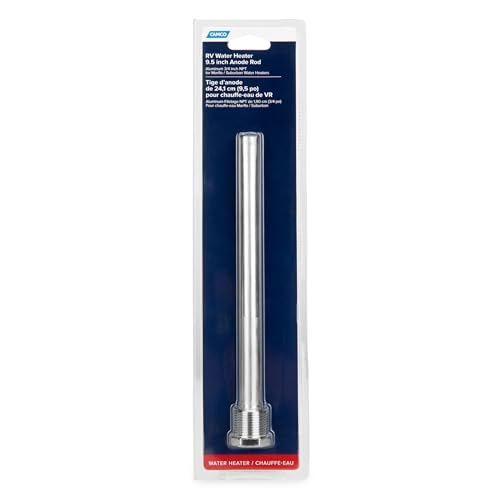
Best for: RV owners using Suburban and Mor-Flo heaters. This rod is designed specifically for RV applications, providing corrosion defense and extending the life of RV tanks. It emphasizes RV compatibility over universal residential fit. A limitation is that it’s tailored for RV models, so compatibility with non-RV residential heaters should be verified before purchase.
Rotten Egg Odor Fix by About Fluid

Best for: Buyers seeking a complete kit to tackle rotten egg smells with a flexible aluminum-zinc rod. The kit includes a rod, installation instructions, and tape. Emphasizes 304 stainless steel hinges to prevent rust and enable easy installation, especially in tight spaces. A caveat is that the kit’s effectiveness depends on proper installation and sulfide source conditions; ongoing maintenance may be needed if odors persist after replacement.
Buying Guide: Key Considerations For Choosing An Aluminum Anode Rod
How to choose the right aluminum zinc anode rod depends on tank size, space, and odor concerns. Consider rod length, diameter, and the ability to bend or segment for tight installations. Aluminum zinc blends are favored for controlling sulfur smells without introducing magnesium into drinking water. In tight spaces, flexible joints or segments improve installation success. For RV units, model-specific compatibility is essential. For larger tanks, thicker rods (3/4 inch) provide more sacrificing surface area. Always verify sleeve size and NPT thread compatibility with your heater.
Question-focused guidance:
- What’s best for a tight-space residential tank? Choose a flexible, multi-segment rod with a 44″ length that can be cut if needed.
- Which rod helps with rotten egg odors? Aluminum-zinc rods designed to attract sulfide corrosion away from the tank walls are preferred.
- Is thicker always better? Thicker (3/4″) rods offer more sacrificing material, which can extend tank life, but ensure it fits your sleeve.
- Do I need a kit? Some rods include sealing tape and a socket; kits simplify installation, especially for first-time replacements.
FAQ
- What is an anode rod’s primary function? It sacrifices itself to protect the steel tank from corrosion, extending heater life.
- Can I install an aluminum zinc rod in any water heater? Most residential tanks with standard 3/4″ or 1″ sleeves support aluminum zinc rods; verify NPT size and sleeve compatibility.
- Will aluminum zinc rods affect water taste? Aluminum zinc blends are designed to not noticeably affect water taste when installed correctly.
- How long does an anode rod last? Replacement intervals vary by water quality and usage; signs of deterioration include sulfur odors and tank corrosion risk.
- Do all rods cut easily? Some long rods are modular or hingeable; if you must shorten, use a hacksaw and ensure clean cuts for proper sealing.
- Are RV rods different from residential rods? RV rods are often sized for Suburban and Mor-Flo heaters and may require model-specific sizing.