Answering the need for safe, efficient basement pellet stove venting, these top options balance simple installation with reliable performance. This guide targets homeowners upgrading a basement setup, renters adding supplemental heat, and DIYers who want fewer wall penetrations. Each product is selected to cover different needs—from combined venting and outside air intake to durable, long-running pipe systems and fresh air kits. Below is a quick overview to help you compare at a glance.
| Product | Best For | Why It Stands Out |
|---|---|---|
| Duravent Pellet Vent Pro PVP 3″ Wall Thimble | Homes needing combined exhaust and outside air intake | Simplifies install by combining vent and air intake; reduces drafts with insulation ring |
| M&G DuraVent 3×36 DURAVENT 3PVL-36R | Durable, long runs | Made in the USA; easy to use; highly durable |
| Pellet Stove Fresh Air Intake Kit, 2″ Outside Air Kit | Improve air flow in tight spaces | 2″ intake with up to 60″ flex pipe; rust-resistant components |
| DuraVent PelletVent Pro 3″ 90 Degree Elbow | Directional venting through walls | Galvalume outer wall; Twist-Lock joints for easy assembly |
| DuraVent PelletVent Stainless Steel Double Wall Straight Pipe | Clean, safe exhaust and smoke management | Double-wall design; versatile for multi-fuel uses |
Duravent Pellet Vent Pro PVP 3″ Wall Thimble

The Duravent Pellet Vent Pro PVP 3″ wall thimble combines exhaust venting and outside combustion air intake in a single assembly. This dual-function design can simplify installation by eliminating an extra exterior hole for fresh air. A specialized insulation ring helps reduce drafts where the pipe passes through the wall, promoting more efficient burning. Best for basements with limited exterior wall space or where a bundled vent-and-air solution reduces install time.
Best for: Homeowners seeking a compact, all-in-one venting solution that minimizes wall penetrations. Limitations: The product uses a 3″ diameter; ensure your stove and clearance meet local code requirements. Suitable for shorter runs and standard basement walls.
M&G DuraVent 3×36 DURAVENT 3PVL-36R
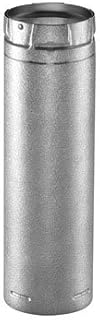
The M&G DuraVent 3×36 configuration offers a sturdy, long-run solution with 3″ diameter pipes. Manufactured in the United States, the system emphasizes durability and ease of use for basement installations. Its robust construction makes it a solid choice for longer vent paths or multi-room layouts where reliability matters. Best for: Homeowners prioritizing durability and established US manufacturing support. Limitation: Limited visual customization—primarily a straightforward pipe assembly without specialized air intake features.
Pellet Stove Fresh Air Intake Kit, 2″ Outside Air Kit

This 2″ outside air kit provides fresh air to the stove to improve airflow when room air venting is insufficient. The kit includes a 60″ flex pipe, wall plate, screen, screws, and hose clamps. Toughened 304 stainless-steel mounting panels enhance durability and corrosion resistance. Best for: Basements with tight rooms or poor room-air exchange that need improved combustion air. Caution: Verify that the pellet stove size matches the 2″ intake before purchase to ensure compatibility.
DuraVent PelletVent Pro 3″ 90 Degree Elbow

The 90-degree elbow from DuraVent PelletVent Pro features a Galvalume outer wall and Twist-Lock joint system for secure, easy connections. This elbow helps route venting around corners or obstacles in basement installations. Best for: Sections requiring directional changes without sacrificing seal integrity. Limitation: 90-degree bends can add length and affect draft; plan trajectories to minimize backpressure.
DuraVent PelletVent Stainless Steel Double Wall Straight Pipe

This stainless steel double-wall straight pipe is designed to vent smoke and exhaust for multi-fuel use, including wood, oil, coal, and gas. The PelletPro line emphasizes die-formed fittings and adjustable lengths to reduce the need for cutting or crimping ends. Best for: Basements needing a versatile, long-lasting pipe with clean, smoke-free operation. Caution: Double-wall pipes require proper clearance and sealing to prevent leaks at joints.
Buying Guide
- Vent type compatibility: Decide between a combined vent/air intake thimble, separate air intake kits, or straight vent runs. A dual-function design reduces exterior openings, while separate kits provide more flexibility for air supply routes.
- Pipe diameter and length: Common sizes are 3″ and 2″. Measure your stove outlet and available wall space. Longer runs may benefit from durable, rigid designs and fewer bends to maintain draft.
- Materials and durability: Galvalume and stainless steel offer corrosion resistance in basements with higher humidity. Double-wall designs minimize outside heat transfer and improve safety.
- Ease of installation: Twist-Lock joints and pre-formed elbows simplify assembly. Look for kits with clear instructions and included mounting hardware.
- Draft and air supply: Insulation rings and airtight seals help prevent drafts and backdrafts. Fresh air intake components should match stove requirements to optimize combustion.
- Safety and codes: Ensure compatibility with local building codes and your pellet stove’s venting requirements. Consider professional installation if you’re uncertain.
Frequently Asked Questions
- What venting system is best for a basement pellet stove? A purpose-built kit that pairs venting with outside air intake can reduce exterior openings and simplify installation.
- Do I need an outside air kit? If the room lacks adequate combustion air, an outside air kit improves efficiency and maintains safe draft levels.
- Can I use any pipe for pellet stove venting? Use pipes designed for high-temperature exhaust with appropriate insulation and sealing; avoid generic ductwork not rated for appliances.
- How long should basement vent pipes be? Length depends on stove location, wall structure, and required clearance. Plan runs to minimize elbows and avoid sharp bends.
- Are stainless steel pipes worth it in basements? Yes, stainless steel offers corrosion resistance and longevity, especially in damp environments.
- Is professional installation required? Codes vary; when in doubt, consult a licensed HVAC professional to ensure safe venting and compliance.