The best boiler water pressure valve depends on its job: a pressure-reducing valve feeds water into a heating system, while a pressure-relief valve releases excess pressure. For boiler filling and pressure control, consider the Bell & Gossett FB-38 or the Leafinnerin fast-fill valve. For overpressure protection, compare the dyseer, FISHFRUIT, and Watts 30 PSI relief valves. Match the valve’s function, pressure setting, connection, and boiler requirements before choosing a replacement.
| Product | Valve type | Best for |
|---|---|---|
| Bell & Gossett FB-38 | Pressure reducing | A boiler water-feed valve from a named manufacturer |
| Leafinnerin FB-38 | Pressure reducing and fast fill | Adjustable feed pressure and system charging |
| dyseer 30 PSI | Pressure relief | Automatic pressure release with stated 3/4-inch FNPT connections |
| FISHFRUIT 30 PSI | Pressure relief | A brass relief valve for a stated 3/4-inch FNPT connection |
| Watts 30 PSI | Pressure relief | A bronze relief valve with 3/4-inch inlet and outlet |
Bell & Gossett FB-38 Pressure Reducing Valve
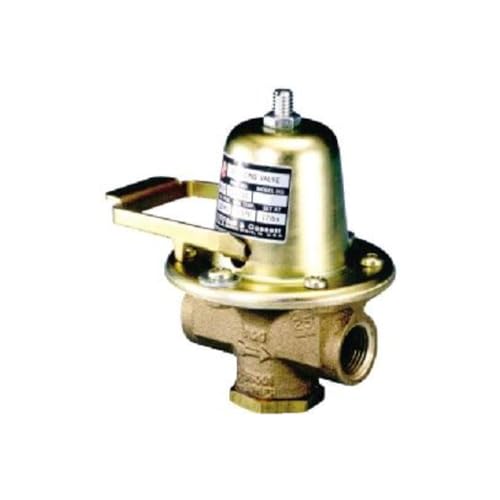
The Bell & Gossett 110192 FB-38 is a pressure-reducing valve, a component used to regulate water supplied to a hydronic heating system. It is not the same as a pressure-relief valve: it does not serve as the system’s outlet for releasing excess pressure.
Best for: Buyers looking for a boiler feed or pressure-reducing valve identified as a Bell & Gossett FB-38. The product listing provides the model number and package details, making those identifiers useful when comparing a replacement with an existing valve or checking a parts list.
Why it was selected: The product is directly relevant to boiler water pressure control and represents the pressure-reducing side of the category. The listed package weighs 1.021 kilograms and measures 6.0 by 3.75 by 4.0 inches.
Check before buying: The supplied product details do not state the valve’s pressure range, connection size, or adjustment features. Confirm these specifications against the existing installation and boiler documentation before ordering. Avoid choosing it as a substitute for a safety relief valve.
Leafinnerin FB-38 Adjustable Fast-Fill Valve

This 1/2-inch boiler water-feed valve is listed with a factory setting of 12 PSI and an adjustable range of 10 to 25 PSI. Its fast-fill lever is intended to speed up filling during installation or maintenance. The listing also specifies an integrated strainer and check valve.
Best for: Buyers seeking an adjustable boiler feed valve with a fast-fill function. The pressure range and lever are useful comparison points for a system that needs both routine water feeding and faster charging during service.
Why it was selected: It clearly identifies its role, connection size, preset pressure, adjustment range, and included features. The strainer is described as helping reduce sediment, while the check valve is described as preventing reverse flow.
Check before buying: A feed valve does not replace a pressure-relief valve. Verify the 1/2-inch NPT connection and confirm the appropriate system pressure with the boiler manufacturer or a qualified heating professional. The listed pressure range does not, by itself, establish the correct setting for every home.
dyseer 30 PSI Boiler Relief Valve
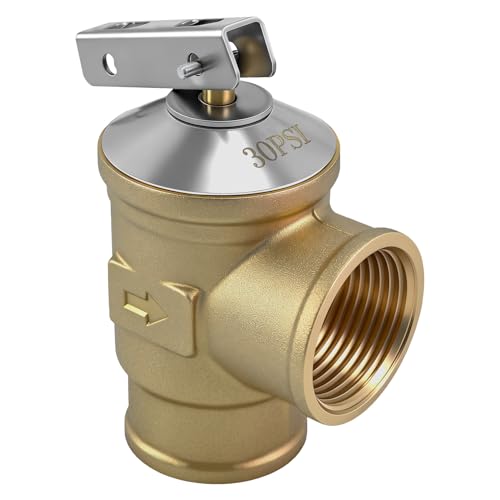
The dyseer valve is an automatic pressure-relief valve listed for hot-water boilers and hydronic heating systems. Its stated opening pressure is 30 PSI, and the listing describes 3/4-inch FNPT female inlet and outlet connections. It is made from lead-free brass, according to the product details.
Best for: Buyers comparing a 30 PSI relief valve with 3/4-inch female threaded connections. The listing also states that it is intended for residential and light commercial boilers up to 510,000 BTU, so buyers should compare that figure with the equipment’s requirements.
Why it was selected: It provides key comparison details for a safety valve: stated pressure, connection type, material, and a listed boiler-capacity limit. A relief valve’s purpose is to open automatically when pressure reaches its specified threshold.
Check before buying: Do not assume that a 30 PSI valve is suitable for every boiler. Confirm the required set pressure, connection, discharge arrangement, and capacity from the boiler instructions. The product listing does not make this a pressure-reducing or boiler-feed valve.
FISHFRUIT 30 PSI Brass Relief Valve

The FISHFRUIT valve is listed as a 30 PSI automatic relief valve for hot-water boilers and hydronic heating systems. It has 3/4-inch FNPT female inlet and outlet connections and a brass construction. The listing mentions radiators, radiant floors, and fan coil units as applications.
Best for: Buyers whose boiler setup calls for a 30 PSI relief valve and the stated 3/4-inch FNPT female connections. Its brass body and listed application range make it easy to compare with other valves of the same pressure and connection type.
Why it was selected: The product description gives the main details buyers need to screen a relief valve: automatic operation, opening pressure, connection size, and material. These specifications help distinguish it from feed valves that regulate incoming water.
Check before buying: The listing’s claims do not remove the need to verify fit and compliance with the boiler manufacturer’s instructions. Do not select a valve based only on pipe size; check the required pressure rating and installation requirements as well.
Watts 30 PSI Bronze Relief Valve

The Watts 0342691 is listed as a 30 PSI pressure-relief valve with a bronze body and 3/4-inch inlet and outlet. Its female connection details distinguish it from some valves listed with male threaded inlets. The product information provided is brief, so confirm additional specifications before purchase.
Best for: Buyers looking for a bronze 30 PSI relief valve with 3/4-inch inlet and outlet connections. It offers a straightforward comparison option when the existing valve’s pressure and connection details match.
Why it was selected: It is specifically identified as a 30 PSI pressure-relief valve, rather than a pressure-reducing valve. The stated material and connection size help buyers compare it with the brass alternatives in this guide.
Check before buying: The supplied details do not specify the exact thread type, capacity, or other installation dimensions. Verify those items against the existing setup and the boiler manual. Do not use a relief valve as a boiler fill regulator.
Buying Guide: How to Choose a Boiler Water Pressure Valve
Do you need a pressure-reducing valve or a pressure-relief valve?
Start by identifying the valve’s job. A pressure-reducing or feed valve regulates water entering the boiler system and helps maintain its water pressure. A pressure-relief valve opens to discharge water when pressure reaches the valve’s set point. These parts are not interchangeable. If replacing a valve, identify its function from the component label, boiler manual, or a qualified technician before shopping.
What pressure setting should you choose?
Match the valve’s pressure rating to the boiler’s stated requirements. The products here include feed valves adjustable from 10 to 25 PSI and relief valves listed at 30 PSI. Those numbers describe different functions: an adjustable feed setting is not the same as a relief valve’s opening pressure. Do not raise or lower a setting to compensate for another system problem without qualified guidance.
How important are connection size and thread type?
Check both the nominal connection size and the thread type. Several products in this guide list 3/4-inch FNPT connections, while the feed valves are listed with 1/2-inch connections or NPT threads. Similar-looking valves may have different inlet or outlet configurations. Compare the product specification with the existing valve and piping; do not rely on appearance alone.
Should you prioritize material or additional features?
Material and included features can help narrow a choice, but they do not establish fit. The listed relief valves use brass or bronze. The Leafinnerin feed valve lists a fast-fill lever, strainer, and check valve; those features are relevant when a feed valve is needed. Choose features that match the intended use, then verify pressure, thread, and boiler requirements.
When should a professional handle replacement?
Boiler pressure components affect system operation and safety. If you are unsure whether a part is a feed valve or relief valve, cannot confirm the correct pressure rating, or find repeated discharge from a relief valve, consult a qualified heating professional. Never cap or block a relief valve discharge, and follow the boiler manufacturer’s installation and maintenance instructions.
Frequently Asked Questions
What does a boiler pressure-reducing valve do?
It controls water supplied to a hydronic heating system to help maintain the system’s water pressure. It does not replace a pressure-relief valve.
What does a boiler pressure-relief valve do?
It opens to release water when pressure reaches its specified threshold. The valve’s pressure rating and capacity must match the boiler’s requirements.
Are 30 PSI relief valves suitable for every boiler?
No. A 30 PSI rating appears on the relief products listed here, but suitability depends on the boiler and system specifications. Check the manufacturer’s instructions before choosing a valve.
Can a boiler feed valve and relief valve be used interchangeably?
No. A feed valve regulates incoming water, while a relief valve releases excess pressure. They perform different functions and have different installation roles.
What should I check before ordering a replacement?
Confirm the valve type, pressure setting, connection size, thread type, and any capacity requirements. Compare these details with the existing component and boiler documentation.