Converting a gas fireplace back to wood burning is not a simple appliance swap: the fireplace, chimney, venting, and gas line must be assessed for wood-fire use first. The products below are not conversion kits. The log lighters are intended to help start fires in a suitable wood-burning fireplace that already has an appropriate gas connection; the ember material is an accessory for gas appliances, and the camp stove kit is not a fireplace component. A qualified chimney or fireplace professional should determine what work is required before you burn wood.
| Product | Best suited for | Important limitation |
|---|---|---|
| Midwest Hearth Gas Log Lighter | Wood-burning fireplaces set up for a gas log lighter | Does not convert a gas fireplace |
| Universal Gas Log Lighter Starter | Natural-gas wood fireplaces needing a straight or angled starter | Installation and safe use depend on a suitable fireplace and gas line |
| Stanbroil Universal Gas Log Lighter | Wood fireplaces needing a 16.5-inch starter pipe | Not a fireplace or chimney conversion system |
| Midwest Hearth Rock Wool | Gas fireplace or gas log set ember appearance | Not for making a wood-burning fireplace safe |
| US Stove Barrel Camp Stove Kit | Portable camp-stove assembly | Not a fireplace conversion product |
Midwest Hearth Gas Log Lighter
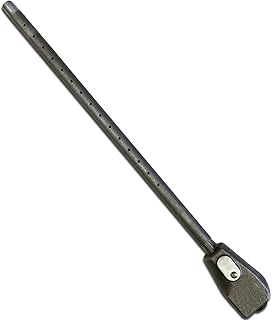
Best for: A wood-burning fireplace that has been confirmed suitable for wood and is designed for a natural-gas log lighter. This is a fire-starting accessory, not a way to turn a gas-only fireplace into a wood-burning one.
The product features a heavy iron pipe, an adjustable air-and-fuel mixer, and a mixer plug for straight or 90-degree angled installation. Its stated gas inlet is 1/2-inch NPT, with 3/8-inch threaded connections between the burner pipe and mixer. The adjustable shutter is designed to tune the air-to-gas mixture for a blue ignition flame.
Why it was selected: Among the listed items, it directly serves the task of lighting wood in a qualifying wood-burning fireplace. Its configuration options may help when an existing fireplace layout calls for a straight or angled starter, but the fireplace and gas supply still need professional verification.
Limitation: The listed version is for natural gas. The product description says to select the fuel-type variation; do not assume this version is suitable for propane or for an unapproved installation.
Universal Natural Gas Log Lighter Starter
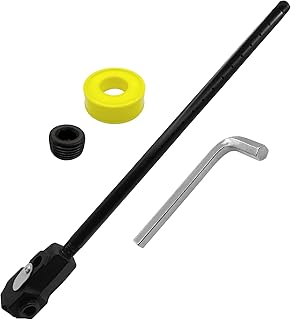
Best for: Owners of an approved wood-burning fireplace with a suitable natural-gas connection who want a starter described for either straight or 90-degree angled installation.
The listed package includes a cast-iron burner pipe, air-and-fuel mixer, mixer plug, wrench, and gas-rated Teflon tape. The description says the pipe has multiple gas inlets and is intended to help ignite wood. It describes operating the gas valve to light the wood and then shutting off the gas once the fire is established.
Why it was selected: It is one of the few supplied products specifically described as a log lighter for wood-burning fireplaces. The included mixer and alternate installation orientation make it relevant as a potential accessory after a professional confirms the fireplace can safely burn wood and use a gas starter.
Limitation: The listing identifies it as a natural-gas product. Its supplied parts do not establish that a gas fireplace, chimney, or gas line is suitable for conversion. Have a qualified professional handle the installation and confirm the correct operating procedure.
Stanbroil Universal Gas Log Lighter

Best for: A suitable wood-burning fireplace where a 16.5-inch gas log lighter is appropriate and the owner needs a straight or 90-degree angled configuration.
Stanbroil describes this model as a heavy-duty cast-iron starter with a burner pipe, air mixer, and mixer plug. The 16.5-inch pipe has multiple gas inlets, according to the product details. The listed product name specifies NG, meaning natural gas.
Why it was selected: It is directly aimed at starting a wood fire in a wood-burning fireplace, rather than providing decorative gas flames or portable heating. The stated pipe length and adjustable installation orientation are useful comparison points when discussing a replacement starter with a fireplace professional.
Limitation: A 16.5-inch pipe may not suit every fireplace or gas-line arrangement. The listing does not make this a conversion kit, and it should not be treated as evidence that an existing gas fireplace can safely burn wood.
Midwest Hearth Rock Wool For Gas Fireplaces

Best for: Someone seeking a glowing-ember effect in a compatible gas fireplace or gas log set—not someone trying to convert a gas fireplace to wood burning.
The product is a 6-ounce package of mineral fiber. Its listed use is to pinch small clumps and position them near gas ports or on gas logs where flames make contact. The description states that it is intended for natural-gas and propane appliances, including vented gas fireplaces and gas log sets. It also says to follow the appliance maker’s instructions for vent-free applications.
Why it was selected: It is relevant to the gas-fireplace side of the search topic because owners may be comparing continued gas operation with a return to wood. It can add an ember appearance to certain gas appliances, but it does not help a fireplace burn wood.
Limitation: Do not use this product as a substitute for a wood-fire assessment, chimney inspection, or conversion work. Appliance-specific instructions matter, especially for vent-free equipment.
US Stove Barrel Camp Stove Kit

Best for: Buyers looking for a portable camp-stove kit, not for converting or equipping a household fireplace.
The listing describes a lightweight, portable kit made of heavy-duty cast iron. It can be used with the separately identified BKAD500 double-barrel adapter kit to increase the size of the camp stove. Those features concern a camp-stove setup rather than a residential fireplace, chimney, or gas log lighter.
Why it was selected: It is included because it was among the supplied products, but it is not a relevant conversion component. For a gas-to-wood fireplace project, prioritize an inspection and fireplace-specific equipment instead of adapting a portable stove.
Limitation: The product information does not identify it as a fireplace insert or a conversion system. Do not install it in a fireplace or connect it to a chimney unless the manufacturer and a qualified professional specifically approve that use.
Buying Guide: What To Check Before Returning To Wood
Can a gas fireplace be converted back to wood?
Sometimes a fireplace originally built for wood may have been fitted with a gas log set or gas burner, but a gas-only appliance is not automatically suitable for wood. The appliance model, firebox construction, chimney or vent system, clearances, and local requirements determine whether wood burning is possible. A product described as a log lighter is not proof that the fireplace is convertible.
Ask a qualified fireplace or chimney professional to identify the appliance and inspect the entire venting path. If the fireplace was designed only for gas, conversion may be impractical or disallowed. Do not burn wood until a qualified professional confirms that the complete system is appropriate.
What should an inspection cover?
- Fireplace design: Confirm whether the unit is a wood-burning fireplace, a gas-only fireplace, or a wood fireplace altered for gas use.
- Chimney and vent: Have the flue and chimney inspected for condition, obstructions, and suitability for wood smoke.
- Gas equipment: Determine how the gas burner and supply should be removed, capped, or retained. Gas work should be handled by a qualified professional.
- Clearances and components: Verify that the firebox, hearth, doors or screens, and nearby materials meet applicable requirements for the proposed use.
- Local rules: Check local building and fire codes, permit requirements, and any restrictions that apply to your home.
When is a gas log lighter the right purchase?
Choose a log lighter only after the fireplace has been confirmed as suitable for wood and a professional has verified that a gas starter is appropriate. Compare fuel type, pipe dimensions, thread sizes, and straight-versus-angled installation. The listed Midwest Hearth and Stanbroil products identify natural-gas versions; do not use a natural-gas product with propane unless the product is specifically made for that fuel and the installation is approved.
A log lighter is designed to help ignite wood, not to supply the ventilation, chimney, firebox, or safety requirements that wood burning needs. Product dimensions and connections should be checked against the actual approved installation rather than assumed to be universal.
Should you buy ember material or a camp stove for this project?
Rock wool is described as an ember-effect accessory for gas appliances. It does not make a fireplace suitable for wood. The US Stove kit is described as a portable camp-stove kit and is not presented as a residential fireplace component. Neither product addresses the central conversion questions of appliance design, chimney suitability, gas-line work, and code compliance.
What is the safest order of operations?
- Locate the fireplace make and model information, if available.
- Arrange an assessment by a qualified fireplace or chimney professional before buying conversion parts.
- Confirm in writing what the appliance was designed to burn and what modifications are permitted.
- Have gas disconnection or alteration performed by a qualified professional.
- Use only fireplace components that are approved for the specific installation, and follow the appliance and component instructions.
- Do not light a wood fire until the completed setup has been checked and cleared for use.
Frequently Asked Questions
Can I put wood logs in a gas fireplace?
Not unless the fireplace is specifically confirmed as suitable for wood burning. A gas fireplace may have a firebox or vent system that is not designed for wood smoke, heat, or embers. Have the appliance assessed before use.
Does a gas log lighter convert a gas fireplace to wood burning?
No. A gas log lighter is a starter for an appropriate wood-burning fireplace with an approved gas connection. It does not convert the firebox, chimney, or venting system.
Can I keep the gas line for starting wood fires?
Possibly, if the fireplace and installation are approved for a gas log lighter. A qualified professional must assess the gas connection, fuel type, installation, and operating procedure.
Can I use a natural-gas log lighter with propane?
Do not assume so. The listed products identify natural-gas versions, and fuel requirements vary. Use only a product specifically designated for the fuel supply and approved for the installation.
Is rock wool needed when converting to wood?
No. The listed rock wool is for an ember effect in gas fireplaces and gas log sets. It is not a wood-burning conversion component.
Who should inspect a fireplace before conversion?
Contact a qualified fireplace or chimney professional who can identify the appliance and assess the chimney, venting, and firebox. A qualified gas professional should handle gas-line work as required by local rules.