A gas insert is generally better for convenient, on-demand heat, while a pellet insert suits buyers who want a fuel-fed appliance with a hopper and longer burn cycles. The products below include one complete pellet insert, a gas-compatible firebox, and three pellet accessories; the accessories are not fireplace inserts. Compare appliance type, venting, installation needs, fuel handling, and the exact space each product is designed to serve before buying.
| Product | Category | Best for |
|---|---|---|
| ComfortBilt HP22i | Pellet fireplace insert | Buyers seeking a hopper-fed heating appliance |
| ProCom PC32VFC | Ventless firebox | Buyers planning a compatible ventless gas log setup |
| Large Pellet Basket | Pellet-burning accessory | Buyers seeking a pellet basket for an appropriate wood-burning setup |
| Stainless Steel Pellet Adapter | Outdoor fire-pit accessory | Bonfire 2.0 owners |
| Upgraded Pellet Adapter | Outdoor fire-pit accessory | Bonfire 2.0 owners comparing a similar adapter |
ComfortBilt HP22i Pellet Fireplace Insert

Best for: Buyers specifically looking for a pellet-fueled fireplace insert with a hopper, rather than a gas appliance. It is the clearest match in this selection for a home-heating comparison between gas and pellets.
The listed specifications include heating coverage of up to 2,800 square feet under mild temperature conditions, output of up to 41,000 BTU per hour, and a 47-pound hopper. The product listing states up to 18 hours of burn time. A finishing shroud, ash vacuum, and remote control are included.
Why it was selected: This is the only listed product described as a complete pellet fireplace insert, and its capacity and fuel-holding details help illustrate what buyers compare with a gas insert.
Limitation: The coverage figure is stated for mild temperature conditions, not as a guarantee for every home. Pellet appliances also require buyers to plan for pellet supply and ash handling.
ProCom PC32VFC Ventless Firebox

Best for: Buyers planning a ventless gas-log fireplace assembly, subject to local rules and the requirements of the selected log set. This is a firebox, not a complete gas insert or a gas log set.
The firebox has a slim profile for tighter spaces and is described as approved for zero-clearance installation. It can be recessed into a wall or paired with a cabinet mantel. The listing says it is compatible with ventless gas log sets and includes a draw screen, hood, and decorative sprayed brick liner. Its airflow design is intended to move heat through the large viewing area.
Why it was selected: It is the most relevant listed item for the gas side of the comparison, but shoppers must account for the additional gas-log equipment needed to make a functioning gas fireplace.
Limitation: The product information does not identify a gas log set as included. Ventless appliance rules vary by location, so verify local requirements and installation instructions before purchase.
Large Pellet Basket

Best for: Buyers looking for a pellet-burning basket for a suitable fireplace or stove setup, rather than a pellet insert. It may be relevant to someone comparing pellet-fuel options, but it is not a substitute for a purpose-built insert.
The basket measures 17 inches wide, 8 inches deep, and 7.5 inches high at the front, rising to 9.5 inches at the back. It weighs 17 pounds and is listed to hold up to 16 pounds of wood pellets. Its construction is described as non-perforated steel that is 1/4 inch thick.
Why it was selected: It is the only listed product besides the HP22i that directly holds wood pellets for burning, making it more relevant to pellet use than the outdoor adapters.
Limitation: The listing does not describe it as a sealed, automatic, or ducted heating insert. Confirm that the basket is suitable for the intended appliance and follow the appliance maker’s instructions.
Bonfire 2.0 Stainless Steel Pellet Adapter
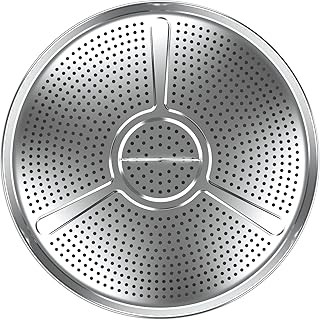
Best for: Owners of a Solo Stove Bonfire 2.0 who want an adapter for burning pellets in that outdoor fire pit. It is not a home-heating insert and should not be treated as a replacement for a gas or pellet fireplace appliance.
The listed dimensions are 17.32 by 17.32 by 2.4 inches, and the adapter weighs 2.86 pounds. Features include one-piece molded construction, five reinforced load-bearing strips, 1.2-millimeter material thickness, and ventilation holes intended to keep unburned pellets from falling into the ash pan.
Why it was selected: It is a pellet accessory from the supplied product list, but its stated use is specifically an outdoor fire pit rather than an indoor fireplace insert.
Limitation: The listing identifies compatibility with the Bonfire 2.0. Buyers with another fire pit or a fireplace insert should not assume it fits their equipment.
Upgraded Bonfire 2.0 Pellet Adapter
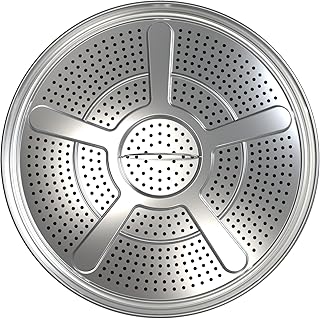
Best for: Bonfire 2.0 owners comparing a second pellet-adapter listing. It is an outdoor fire-pit accessory, not a pellet insert for heating indoor rooms.
The listed dimensions and weight are the same as the other adapter: 17.32 by 17.32 by 2.4 inches and 2.86 pounds. Its features include one-piece molded construction, five reinforced support strips, 1.2-millimeter thickness, and ventilation holes intended to reduce pellets falling into the ash pan. The listing describes the material as resistant to rust and curling.
Why it was selected: It provides another listed pellet-related product for readers comparing the supplied options, while its stated compatibility makes its narrow use clear.
Limitation: The described compatibility is limited to the Solo Stove Bonfire 2.0. Its features do not make it a replacement for a home pellet insert or gas fireplace component.
Gas vs. Pellet Inserts: What Should You Compare?
Gas and pellet inserts both provide heat through a fireplace opening, but they use different fuels and operate differently. A gas insert burns gas and is commonly chosen for convenient ignition and control. A pellet insert burns compressed wood pellets, typically supplied from a hopper, and requires fuel storage and ash management. The best choice depends on the installation, available fuel, desired operation, and maintenance the household can manage.
- Convenience: Gas is often preferable when the priority is quick, straightforward operation. Pellet models require a supply of pellets and attention to the hopper and ash.
- Fuel logistics: Consider whether natural gas or propane service is available for the gas appliance, and whether storing and carrying pellet bags is practical for a pellet model.
- Heat needs: Compare each model’s stated output and coverage with the room or area to be heated. Published coverage is not a guarantee; climate, insulation, layout, and installation can affect results.
- Installation: Check venting, clearances, fireplace dimensions, and local building and fire requirements. A firebox shell alone is not a complete gas appliance.
- Upkeep: Pellet appliances involve ash and combustion-component care. Gas systems have different inspection and service needs; follow the specific manufacturer instructions.
Buying Guide: How Do You Choose Between Gas and Pellets?
Do you want simple operation or pellet-fuel control?
Choose gas if ease of operation and an on-demand flame are central priorities, and a suitable gas supply and approved appliance configuration are available. Choose pellets if you prefer a hopper-fed system and are prepared to buy, store, load, and manage pellet fuel. Do not assume an accessory basket or outdoor adapter offers the same operation or heat delivery as a listed insert.
What kind of product are you actually buying?
Confirm whether the item is a complete insert, a firebox that needs a separate log set, or an accessory. In this selection, the HP22i is described as a pellet insert. The ProCom is a ventless firebox compatible with ventless gas log sets, while the basket and adapters are not complete home-heating inserts. This distinction affects what else must be purchased and how the system can be installed.
Will the appliance fit the fireplace and meet local requirements?
Measure the opening and review the appliance’s installation manual for required dimensions, clearances, venting, and electrical or fuel connections. Have a qualified professional assess the installation when required. Check local rules before choosing a ventless gas product, since approval and permitted use can vary by location.
How should you compare heating specifications?
Compare rated output, stated coverage, and operating conditions rather than relying on a single square-foot figure. The HP22i listing states up to 41,000 BTU per hour and up to 2,800 square feet under mild temperature conditions. Those figures should be weighed against the home’s insulation, floor plan, climate, and heating goals. The supplied ProCom information does not give a comparable heat-output figure.
Which ongoing tasks are acceptable?
Pellet buyers should plan for pellet storage, regular loading, and ash disposal. Gas buyers should check fuel arrangements and the service requirements for their chosen system. Both types require correct installation and maintenance. Read the product manual to understand routine cleaning, inspection, and any operating restrictions before committing.
Frequently Asked Questions
Is a gas insert or pellet insert easier to operate?
Gas is generally the more convenient choice for buyers who want straightforward operation. Pellet inserts require pellet fuel, hopper management, and ash handling. Exact controls and maintenance depend on the model.
Does the ProCom firebox include a gas log set?
The supplied product details say it is compatible with ventless gas log sets, but do not state that a log set is included. Confirm the package contents before purchase.
Can the pellet basket replace a pellet insert?
No. The listed basket is an accessory that holds pellets; it is not described as a complete, automatic, or sealed fireplace insert. Verify suitability for the intended appliance.
Are the pellet adapters suitable for indoor fireplace inserts?
The adapter listings identify compatibility with the Solo Stove Bonfire 2.0, an outdoor fire pit. They are not listed as indoor fireplace insert parts.
Does the HP22i heat every home up to 2,800 square feet?
No. Its listing states coverage up to 2,800 square feet under mild temperature conditions. Actual heating performance depends on the home, climate, installation, and operating conditions.