Answer: If you need compact, wall-mounted heat powered by natural gas, these options offer reliable warmth with built-in fire safety features and different venting styles. Best for compact rooms, off-grid spaces, or during outages. The top picks cover vented, ventless, and infrared designs to fit various installation needs and budgets.
| Product | BTU | Type | Best for |
|---|---|---|---|
| Mr. Heater 30,000 BTU Vent Free Blue Flame | 30,000 | Vent Free | Large rooms up to 1,000 sq ft |
| Comfort Glow 17,000 BTU Direct Vent | 17,000 | Direct Vent | Medium rooms up to ~500 sq ft |
| Mr. Heater 30,000 BTU Vent Free Dual Fuel | 30,000 | Vent Free / Dual Fuel | Versatile fuel options in open spaces |
| Rinnai FC824N Ventless Natural Gas Heater | — | Ventless | Small to medium rooms with programmable control |
| ProCom MN100TPA-B Infrared Plaque, 10,000 BTU | 10,000 | Infrared Wall Plaque | Offices, bedrooms, or small living areas |
Mr. Heater 30,000 BTU Vent Free Blue Flame Natural Gas Heater

Features include 30,000 BTU per hour and heating capability up to 1,000 square feet, with a battery-operated electronic ignition. This model is best for larger living spaces or open floor plans where constant warmth is desired. Caution: vent-free units can add moisture to the air and require adequate room ventilation to avoid humidity buildup.
- Best for: Large rooms and open spaces.
- Why selected: High BTU output for substantial area coverage.
- Limitation: Vent-free design may affect indoor humidity and air quality in poorly ventilated rooms.
Comfort Glow 17,000 BTU Direct Vent Natural Gas Wall Heater

This direct-vent unit heats up to about 500 sq ft and includes a thermostatic control, electronic ignition, and a safety pilot with a regulator. It’s ideal for mid-sized rooms where venting to the outdoors is possible. Caution: 17,000 BTU may be insufficient for very large spaces in extreme cold.
- Best for: Medium rooms with venting capability.
- Why selected: Efficient, space-saving design with built-in safety features.
- Limitation: Moderate BTU output for larger rooms or very cold climates.
Mr. Heater 30,000 BTU Vent Free Dual Fuel Heater

This dual-fuel option provides 30,000 BTU and vents or vents-free operation for flexible fuel choices. Best for open-plan spaces where a dependable heat source is needed even during power outages. Limitation: Dual-fuel models require proper installation and regular maintenance to ensure gas safety and efficient burning.
- Best for: Flexible fuel use and larger open areas.
- Why selected: High BTU with dual-fuel flexibility.
- Limitation: Requires careful installation checks for safe operation.
Rinnai FC824N Ventless Natural Gas Heater
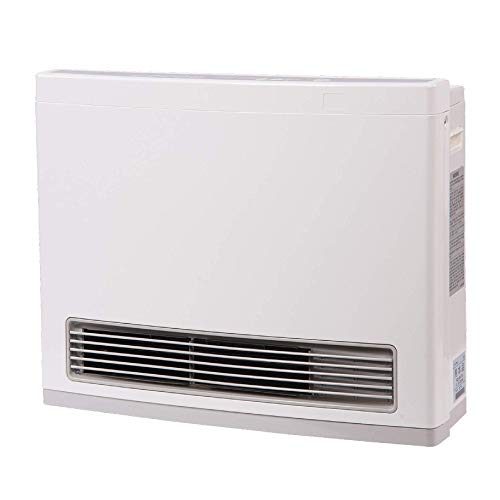
Rinnai’s unit emphasizes precise temperature control via a programmable thermostat and a digital adaptive control. It includes safety features such as a flame failure device, overheat switch, oxygen depletion sensor, and tilt switch. Best for small-to-medium rooms where smart control and safety monitoring are valued. Caution: Ventless systems require proper installation and room occupancy considerations for safe operation.
- Best for: Rooms needing programmable comfort control.
- Why selected: Advanced safety and smart control features.
- Limitation: Ventless design requires careful placement and ventilation awareness.
ProCom MN100TPA-B Infrared Plaque Heater

This 10,000 BTU infrared plaque heater provides focused radiant heat suitable for smaller spaces such as bedrooms or offices. Best for pinpoint warmth where quick heat is preferred. Caution: Lower BTU means less coverage in larger rooms; may require supplemental heating for bigger areas.
- Best for: Small spaces needing fast, directed warmth.
- Why selected: Compact infrared design with straightforward control.
- Limitation: Limited heating capacity for larger rooms.
Buying Guide: Key Purchase Considerations
What space will you heat?
Measure the room to estimate BTU needs. Larger rooms typically require higher BTU units, while smaller spaces can be adequately warmed by models in the 10,000–20,000 BTU range. Consider ceiling height and insulation as these affect heat retention.
Ventilation and installation
Vent-free models work without a vent to the outdoors but require good room ventilation and compliance with local codes. Direct-vent units pull combustion air from outside, which can be safer in sealed spaces. Infrared plaques provide radiant heat without full room convection.
Fuel type and reliability
All options use natural gas, but some offer dual-fuel versatility or rely on a constant electrical ignition. Consider whether you prefer electronic ignition, manual controls, or programmable thermostats for consistent comfort.
Safety features to look for
Key safety features include flame failure devices, oxygen depletion sensors, tilt switches, overheat protection, and proper shut-off mechanisms. Ensure the unit has clear installation and maintenance guidelines.
Maintenance and operating costs
Ventless and vented models differ in maintenance needs. Infrared systems typically have fewer moving parts. In any setup, ensure carbon monoxide detectors are installed and the space is well-ventilated.
Installation location and aesthetics
Choose wall placement that keeps the heat directed toward living areas while avoiding obstructions. Consider the unit’s finish and how it blends with room décor, especially for visible living spaces.
Energy efficiency and performance expectations
BTU rating indicates heat output; efficiency varies by model. For energy-conscious buyers, programmable thermostats and sensors can optimize usage and reduce wasteful heating.
FAQ
- Do natural gas wall heaters require electricity? Some models use battery or electric ignition, while others operate without electricity, depending on design. Check the product’s ignition type and any electrical requirements.
- Is vent-free heating safe for indoor use? Vent-free units are designed for indoor use but need adequate room ventilation and adherence to safety guidelines. Follow manufacturer instructions and local codes.
- What size heater do I need for a 400 sq ft room? Look for a heater in the 10,000–20,000 BTU range for typical insulation and climate conditions. For very cold climates or drafty spaces, you may need more BTU.
- Can I install these heaters myself? Installation should follow local codes and often requires a professional, especially for gas line connections and venting configurations.
- Do these heaters operate during a power outage? Vent-free units that rely on gas alone may operate without power, but some models with electronic ignition or fans may need electricity.
- Are infrared heaters energy-efficient? Infrared plaques provide targeted warmth and can be efficient for small areas, though overall room heating efficiency depends on insulation and usage patterns.