Portable LP gas heaters offer reliable warmth for spaces with or without electric power. This guide highlights five compact, vent-free options suited for garages, workshops, patios, and living areas. Best for: emergency heat during outages, small-to-medium rooms, and outdoor gatherings. The top picks balance portability, safety features, and heat output to fit different space sizes and usage needs.
Summary of top picks
| Product | Best For | Approx. Heat (BTU) | Notes |
|---|---|---|---|
| Mr. Heater 9,000 BTU Portable Buddy | Small rooms and portable use | 4,000–9,000 | Indoor/outdoor approved |
| Gasland MHA18BN | Medium spaces, tool sheds, and garages | 18,000 | No electricity needed |
| Mr. Heater 18,000 BTU Big Buddy PRO | Medium to larger rooms | 4,000–18,000 | Long runtime with tanks |
| Tangkula Tabletop Patio Heater | Outdoor patios and small gatherings | 11,000 | Tabletop and portable |
| Propane Patio Heater 18,000 BTU (Foldable) | Large outdoor areas | 6,000–18,000 | Foldable/compact |
Note: All products rely on propane and are chosen for portability, heat output, and practical safety features. When selecting, consider space size, ventilation, and how long you need heat without electrical power.
Mr. Heater 9,000 BTU Portable Buddy Radiant Propane Heater

Features: Emits 4,000 or 9,000 BTU/hr radiant heat. Designed and approved for indoor and outdoor use. Heats up to approximately 225 square feet.
Best for: small-to-medium rooms or as a portable backup heat source. Choose this if you need a compact heater with two heat settings and indoor safety approval. Caution: ensure proper ventilation to meet safety guidelines.
Gasland MHA18BN Propane Radiant Heater
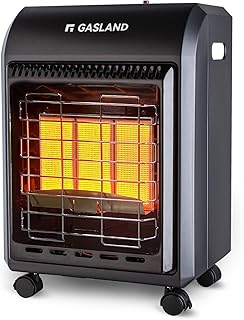
Features: 18,000 BTU; heats up to 450 sq. ft. Safe with Tip-Over and Low Oxygen Shut-off. No electricity required; works with a 20 lb LP cylinder. Mobile with wheels and built-in handle.
Best for: ventilated garages, workshops, or construction spaces where electricity is unreliable. Better for larger open areas than compact models. Limitation: designed for well-ventilated spaces and may require space to accommodate its footprint.
Mr. Heater 18,000 BTU Big Buddy PRO Series Heater

Features: Heats up to 450 square feet. Low, Medium, and High heat settings: 4,000 / 9,000 / 18,000 BTU. Heats up to 216 hours on two 20 lb tanks with optional hose (low setting).
Best for: medium-to-large spaces that require adjustable heat and long runtime. Choose this for extended use with propane tanks on hand. Caution: monitor propane levels to avoid running out mid-use.
Tangkula Tabletop Propane Patio Heater

Features: 11,000 BTU heat output; 2.5 ft wide heating radius; 360° all-direction heating; easy ignition; tipping-over and flameout protection; anoxic protection.
Best for: outdoor dining or small gatherings where table space is available. Choose this if you want a tabletop option with solid safety features. Limitation: tabletop design may limit heat reach compared to freestanding units.
Propane Patio Heater, 18,000 BTU Foldable Outdoor Heater
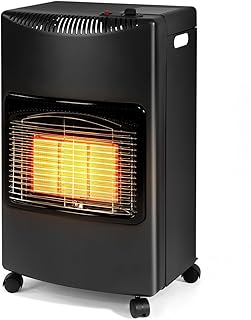
Features: 6,000/12,000/18,000 BTU settings; 450 sq. ft. heating range; built-in piezo ignition; safety includes tip-over and Oxygen Depletion Sensor; CSA-approved regulator.
Best for: large outdoor spaces like porches or backyards. Choose this when you need multiple heat settings and a regulator for secure outdoor use. Limitation: more bulk than tabletop models and requires proper outdoor ventilation.
Buying Guide
What to consider when choosing a portable LP gas heater
- Room size and heat output: Match BTU range to the area you aim to heat. Larger spaces need higher BTU like 18,000 BTU; smaller spaces fit 9,000 BTU or less.
- Ventilation: LP heaters burn propane; ensure adequate ventilation in enclosed spaces. Some units are certified for indoor use, others require outdoor or semi-outdoor placement.
- Safety features: Look for tip-over shut-off, oxygen depletion sensors, and flameout protection. These reduce risk in busy rooms or with children and pets.
- Portability and setup: Consider built-in handles, wheels, or table-top design. Also check whether you need a hose or regulator included.
- Fuel considerations: Propane cylinders are standard. Check compatibility with cylinder size (e.g., 20 lb tanks) and whether you need quick-connect hoses.
- Runtime and efficiency: Some models run longer on the same tank. Compare BTU output and fuel consumption to estimate runtime.
- Outdoor vs. indoor use: Indoor-rated units require proper ventilation and space clearance. Outdoor or garage use often allows higher BTU and more expansive heating zones.
Frequently Asked Questions
- Can portable LP heaters be used indoors safely? Yes, but only with models rated for indoor use and with proper ventilation as recommended by the manufacturer.
- Do I need electricity to run these heaters? Some models operate without electricity, while others may require power for ignition or safety features.
- What is the typical heat range for portable LP heaters? Most range from 6,000 to 18,000 BTU, heating from small to larger spaces depending on placement and ventilation.
- How long do propane tanks last with these heaters? Runtime depends on BTU setting and tank size; lower settings extend runtime, while higher settings consume fuel faster.
- Are there safety concerns with table-top heaters? Tabletop units are compact but still require stable placement and ventilation. Avoid placing near flammable objects.
- What should I look for in a safe outdoor heater? Look for tip-over shut-off, ODS (oxygen depletion sensor), stable base, and CSA or UL safety certifications where available.