Yes, stainless steel tankless water heaters deliver durable construction, fast on‑demand hot water, and long‑term reliability. This guide highlights five top options, explains who each is best for, and helps you compare features like GPM (gallons per minute), BTU input, and installation considerations. Whether you need a compact unit for an apartment, a high‑flow model for a busy family, or a propane version for off‑grid use, these picks are well suited for American homes with varying hot water needs.
Summary table of selected products:
| Product | Best For | Key Benefit | Notes |
|---|---|---|---|
| Forimo Propane Tankless Water Heater | Homes using Propane, multi‑point use | 4.21 GPM, LED display, multiple protections | Digital temp control 38–75°C |
| Rheem RTGH68DVLN | Medium to high hot water demand | Up to 6.8 GPM, 120V ignition | Indoor natural gas model |
| Rinnai RE180eP | Outdoor installation, high flow | Up to 8.5 GPM, durable stainless build | Smart design, outdoor use |
| Rinnai REP199eN Smart‑Circ | Homes with recirculation needs | Up to 7.9 GPM, built‑in recirc pump | Smart Circulation for efficiency |
| GASLAND Vent Kit (for Tankless Heaters) | Any tankless system needing venting | Stainless venting kit, easy install | Accessory, not a heater itself |
Forimo Propane Tankless Water Heater

Features at a glance: stainless steel construction, 4.21 GPM, 81,888 BTU/hour input, flame failure and overheating protection, LED smart digital display, temperature adjustable from 38°C to 75°C. Best for households needing on‑demand hot water with two to three outlets simultaneously, such as a bathroom and kitchen. It requires propane (LPG) and a low water pressure threshold of about 3.6 PSI.
Who it’s best for: buyers seeking a compact propane‑powered unit with clear digital temperature control and built‑in protections. Choose this if you want a stainless steel, corrosion‑resistant tankless option that can supply multiple fixtures without a complex electrical hookup. A potential limitation is reliance on propane availability and venting requirements in indoor spaces.
Limitation note: This model uses propane and requires proper ventilation and venting planning for indoor installation. Ensure compatible gas supply and local codes before purchase.
Rheem RTGH68DVLN3701169 (6.8 GPM)

Features at a glance: flow rate 0.4–6.8 GPM, temperature range 100–140°F (default 120°F), electric ignition included. This indoor natural gas tankless unit is designed for steady hot water with a straightforward manual or digital control, suitable for mid‑size homes or condos needing reliable on‑demand water.
Who it’s best for: homeowners seeking a mid‑range high‑flow gas unit for indoor installation with simple temperature presets. Better for households with moderate simultaneous demand. Limitation: some models require a gas line upgrade or venting compatibility; check local codes and venting needs before installation.
Why selected: Rheem is a well‑known brand with durable components and easier service pathways. The wide GPM range allows flexible use across multiple fixtures, making it a practical all‑around choice for most homes seeking stainless steel durability without extreme flow needs.
Rinnai RE180eP Non‑Condensing Propane Tankless

Features at a glance: up to 8.5 GPM, outdoor installation, 180,000 BTU, smart design that heats only when needed, LED service reminders and error codes. It emphasizes energy efficiency by avoiding unnecessary heating and has a compact footprint suitable for outdoor mounting.
Who it’s best for: households that need a higher hot water capacity and prefer outdoor installation to simplify venting. Choose this if you want stainless steel resilience and a design that supports several fixtures at once. Limitation: outdoor installation means exposure to weather; ensure proper protective housing and climate suitability.
Why selected: high flow capability makes this model a good fit for larger homes or families with high simultaneous hot water demand. Stainless construction contributes to long‑term durability in harsher outdoor environments.
Rinnai REP199eN Smart‑Circ Tankless With Recirculation

Features at a glance: up to 7.9 GPM, non‑condensing, built‑in recirculation pump, outdoor installation, 199,000 BTU. Smart‑Circ technology learns water usage and optimizes pump timing for efficiency and convenience. Includes multiple guarantees across heat exchanger, labor, and parts.
Who it’s best for: homes that want reduced wait times for hot water and improved energy efficiency through a built‑in recirculation system. Choose this if you value a smart approach to hot water delivery and can accommodate an outdoor unit. Limitation: recirc systems add complexity and may require compatible plumbing to maximize performance.
Why selected: the combination of strong flow, recirculation, and robust stainless steel construction makes this a versatile option for larger households that want measured energy savings without sacrificing hot water availability.
GASLAND 3″ Stainless Steel Vent Pipe Kit

Features at a glance: 3″ stainless steel vent pipe kit with termination hood, elbow, vent pipes, and wall thimble. Designed to vent exhaust gases efficiently for residential tankless water heaters, with corrosion and temperature resistance.
Who it’s best for: installers needing a complete venting solution for stainless steel tankless heaters. Choose this if your unit requires a secure, corrosion‑resistant venting path. Limitation: not a heater itself; must be paired with a compatible tankless unit.
BISELONG 2.5 Gallon Under Sink Electric Tank
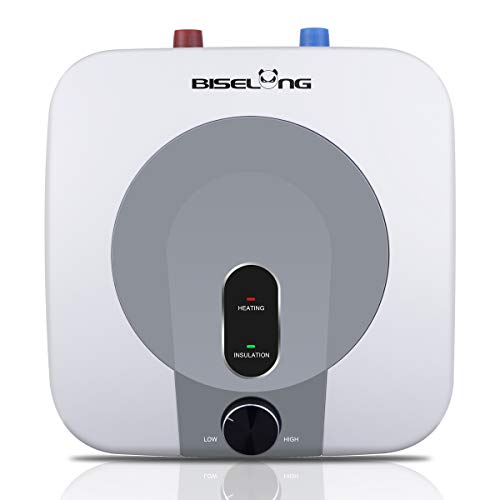
Features at a glance: 1/2″ FIP stainless steel hose, 1500W L‑shaped heating element, rapid recovery (8–15 minutes), compact under‑sink installation, high thermal efficiency, built‑in smart chip for temperature control and insulation when reached. It’s designed for small, space‑constrained setups like RVs, food trucks, or compact apartments.
Who it’s best for: users needing a compact point‑of‑use heater for single or dual sinks, with quick recovery and space savings. Choose this if you require a stainless steel build and space efficiency in a tight area. Limitation: capacity is limited to smaller hot water loads; not suitable for high simultaneous demand.
Buying Guide: Key Considerations For Stainless Steel Tankless Water Heaters
What flow rate do you need? Evaluate your peak simultaneous hot water usage. Larger homes or households with multiple bathrooms may require higher GPM models like the RE180eP or REP199eN.
Propane vs. natural gas vs. electric. Propane units can be ideal in areas with limited electrical infrastructure but require proper venting. Natural gas models often need venting and gas line considerations. Electric models offer simpler installation but may have lower flow at higher temperatures in some setups.
Indoor vs. outdoor installation. Indoor units require venting and space considerations, while outdoor models simplify venting but need weather protection and climate suitability.
Materials and durability. Stainless steel construction supports corrosion resistance and long life, especially in hard water areas. Consider models with quality heat exchangers and protective coatings.
Ventilation and safety. Ensure proper venting pathways for exhaust gases and confirm compliance with local building codes. Look for units with flame sensing, overheating protection, and automatic shut‑offs.
Smart features and maintenance. Some models offer LED or digital displays, service reminders, and error codes for easier troubleshooting. Recirculation features can dramatically reduce wait times for hot water but add system complexity.
FAQ
- What is a tankless water heater’s main advantage? It heats water on demand, reducing energy use and providing continuous hot water without storing it in a tank.
- Is stainless steel essential for longevity? Stainless steel helps resist corrosion and wear, especially in hard water or coastal climates, contributing to a longer service life.
- Do these units require professional installation? For gas and venting requirements, professional installation is strongly recommended to ensure safety and code compliance.
- Can I install a unit outdoors? Outdoor models exist, but they require weather‑proof placement and appropriate venting; confirm climate suitability and clearance distances.
- Do recirculation pumps save energy? Recirculation can reduce water waste and improve convenience but may increase energy use if misused; modern controls optimize operation.
- What maintenance is typical? Periodic vent cleaning, checking connections, and inspecting for corrosion are common maintenance steps; refer to the manufacturer’s guidelines.